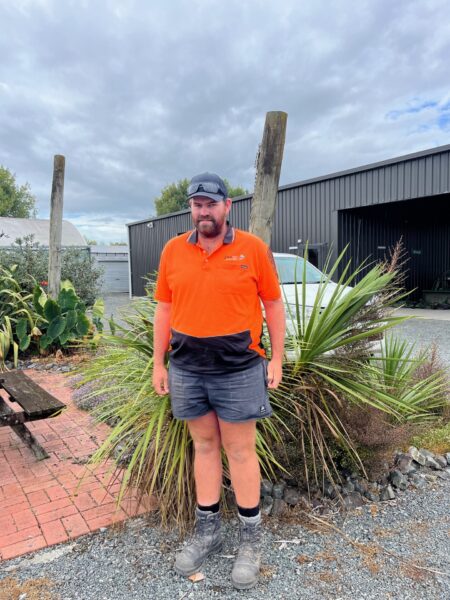
Ask a fencing contractor why they chose fencing, and you’ll usually hear the same things: good earning potential, outdoor work, a different view most days, and the satisfaction of standing back at the end of the day and seeing what you’ve built.
Fencing is hard work, but skilled fencers are in demand. For people who are reliable, practical, and willing to learn, there are real opportunities to get started, build skills, and make a good career in the industry.
There is strong demand for fencing contractors across rural and residential work, from farm infrastructure and environmental projects through to specialist residential fencing.
Many fencing contractors also branch into related work such as shed building, horticultural structures, viticulture, earthworks, and other practical services
Every day is different
No one will tell you fencing is easy. It is physical work, often in tough conditions, and it takes skill to do it well.
But that is also part of what makes it rewarding. You work in different places, on different jobs, for different clients, and you can see real progress as the job takes shape.
For many fencing contractors, the best part is looking back at a straight, well-built fence and knowing they did a good job.
There’s more than one way in
People come into fencing from all sorts of backgrounds.
Some grow up around farming or rural work and are drawn to the trade. Others leave school and start as labourers in a fencing crew, learning the job from the ground up. Some come into fencing after working in other trades or completely different industries.
There is no single pathway. What matters most is being willing to work, learn, turn up, and take pride in the job.
For those wanting formal training, the New Zealand Certificate in Fencing is available at Level 3 and Level 4 through NorthTec. Level 3 is a good foundation for people building practical rural fencing skills, while Level 4 is aimed more at those wanting to progress into areas such as fence and yard design, crew leadership, staff management, client relationships, or running a fencing business.
As skills grow, there are also opportunities to move into crew leadership, specialist fencing, or running your own contracting business.
How to grow your fencing career
New to fencing?
A good first step is to contact local fencing contractors and ask whether they have any work available or need an extra pair of hands.
You can find contractors in your area through the FCANZ online directory. It is also worth keeping an eye on Facebook, Trade Me Jobs, local networks, and the FCANZ classifieds.
Already have fencing experience?
Already know your way around fence construction? You’re in a good position. Experienced fencers may be able to join an existing crew, take on more responsibility, or start their own contracting business.
For those going out on their own, FCANZ membership can help with the nuts and bolts of running a business through articles, webinars and podcasts, industry updates, supplier discounts, and support from other contractors around the country. And when challenges come up, FCANZ can often put you in touch with someone experienced who has dealt with similar issues before.
Certificate in Fencing: Student Profiles
Interested in studying for a Certificate in Fencing, but just not sure? Have a read of these student profiles and see what a difference it made to these fencing contractors.