Posted on

A growth frontier for Tauranga contractor

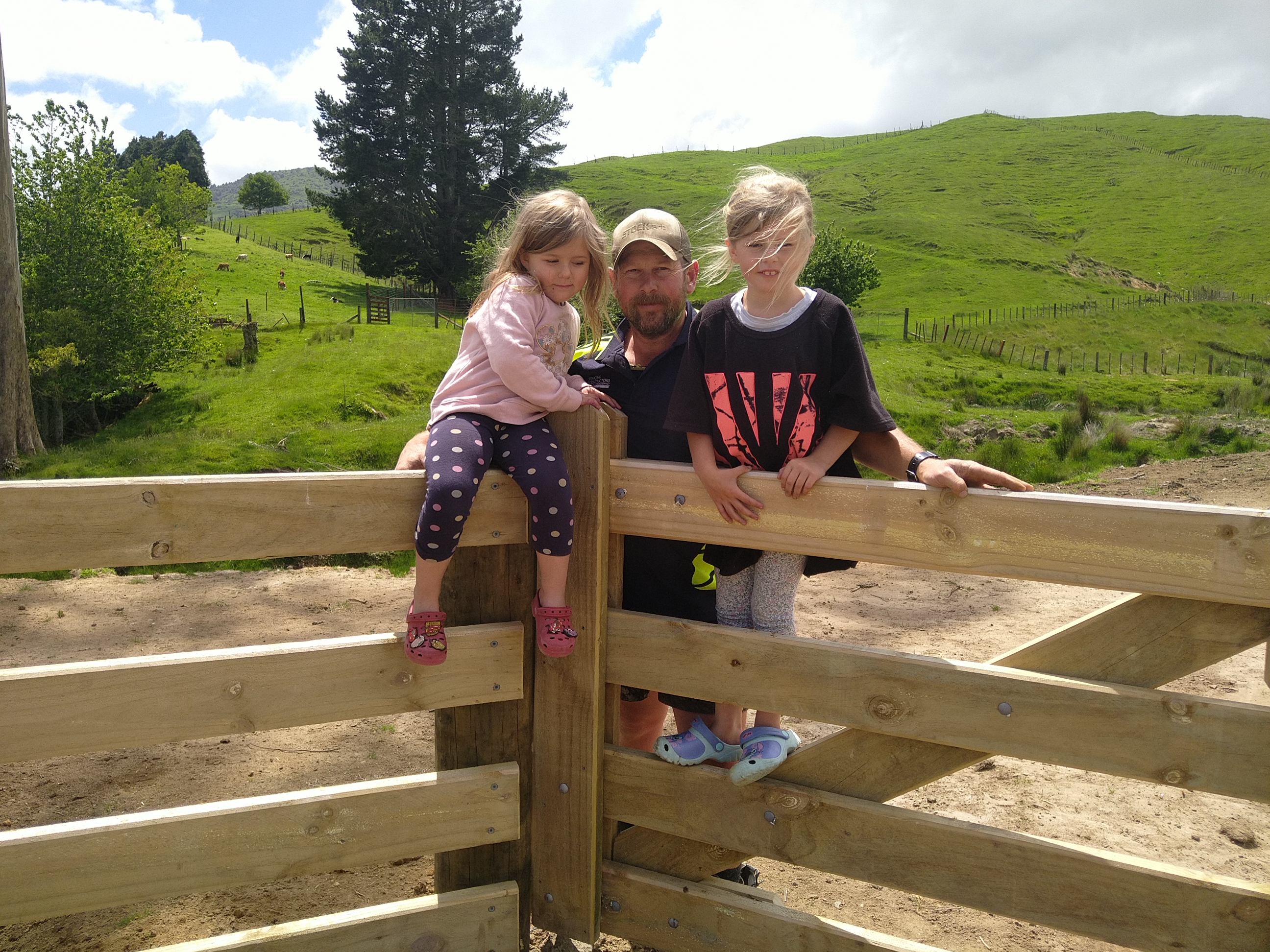
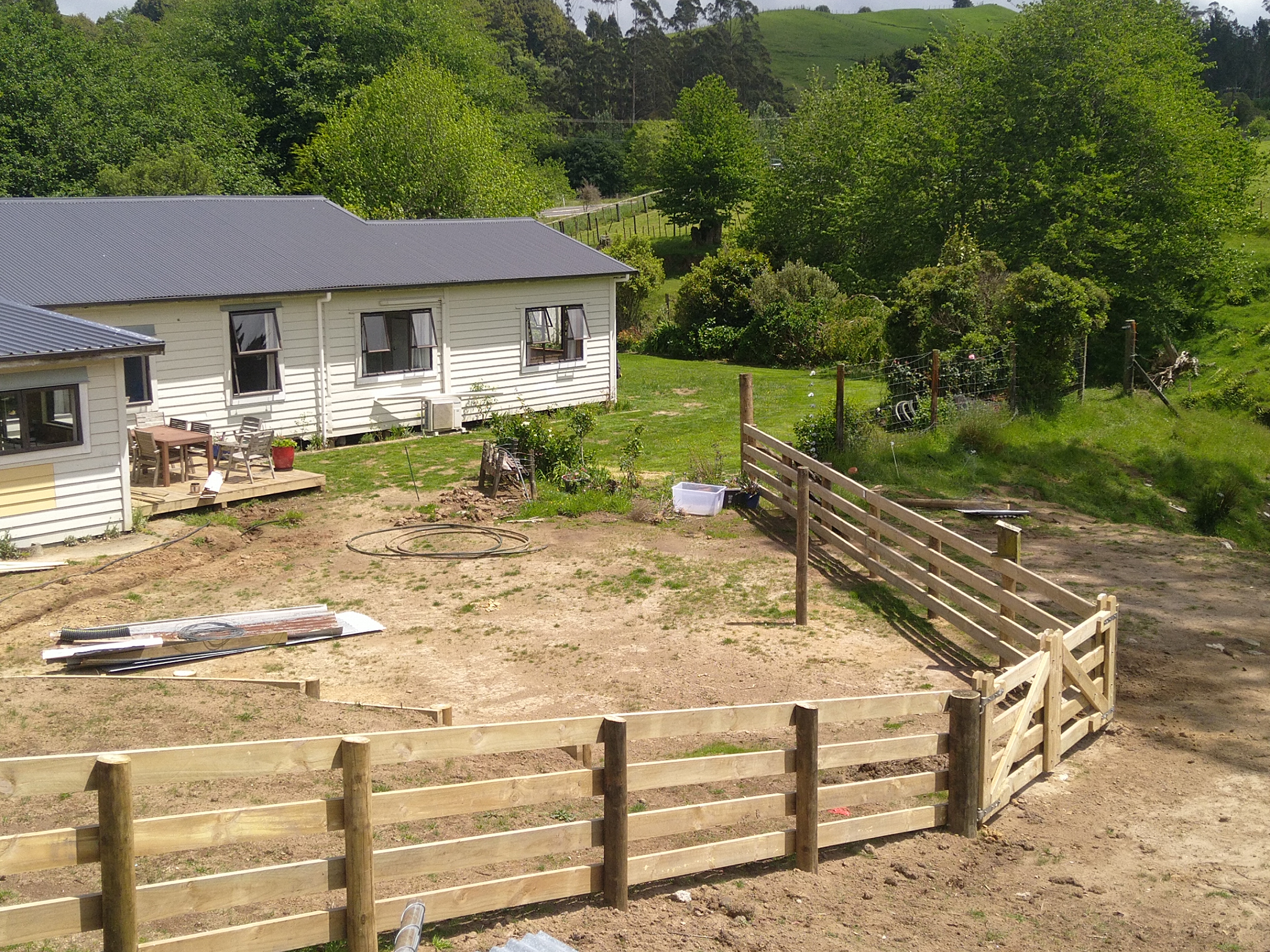
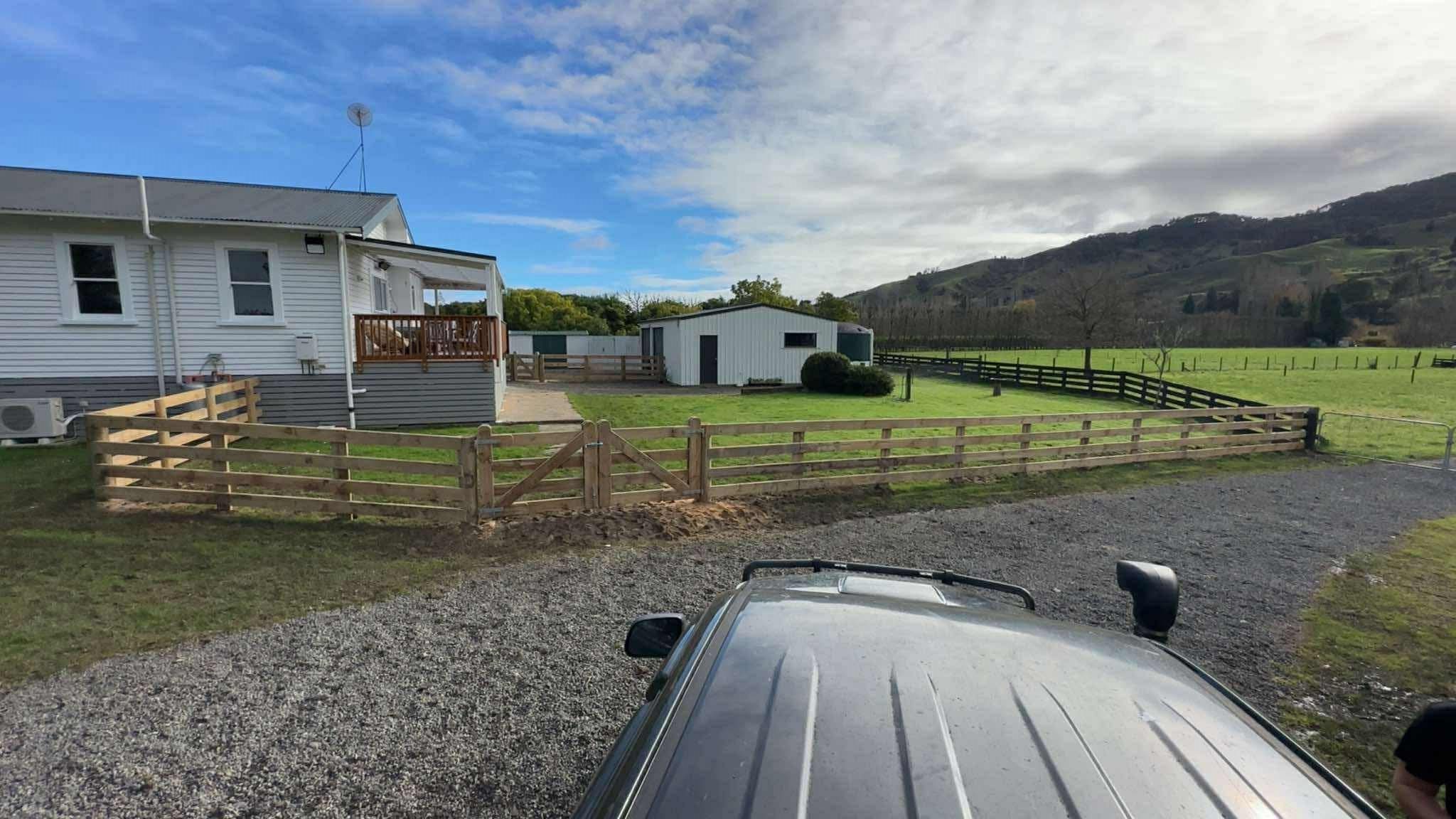
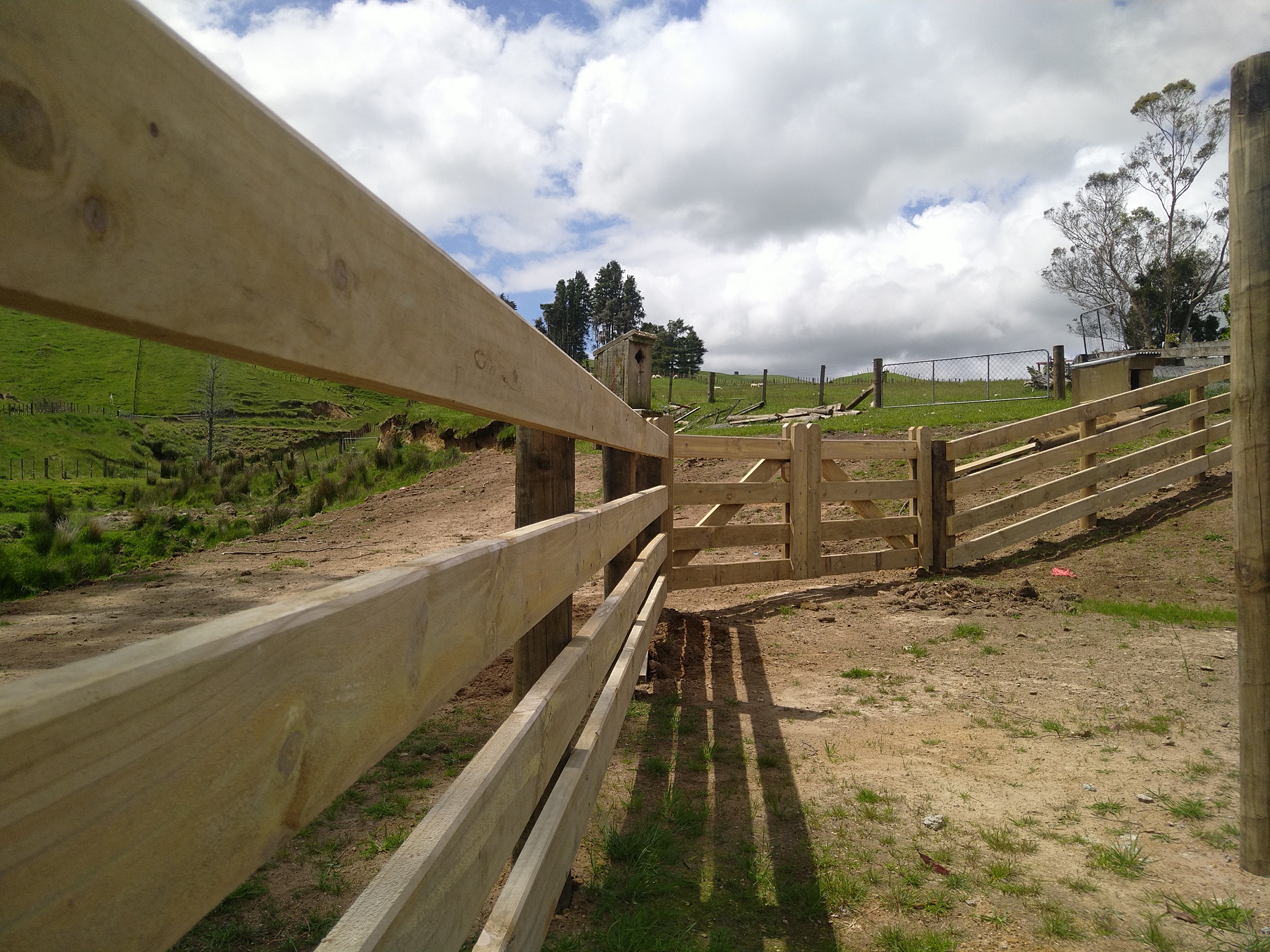
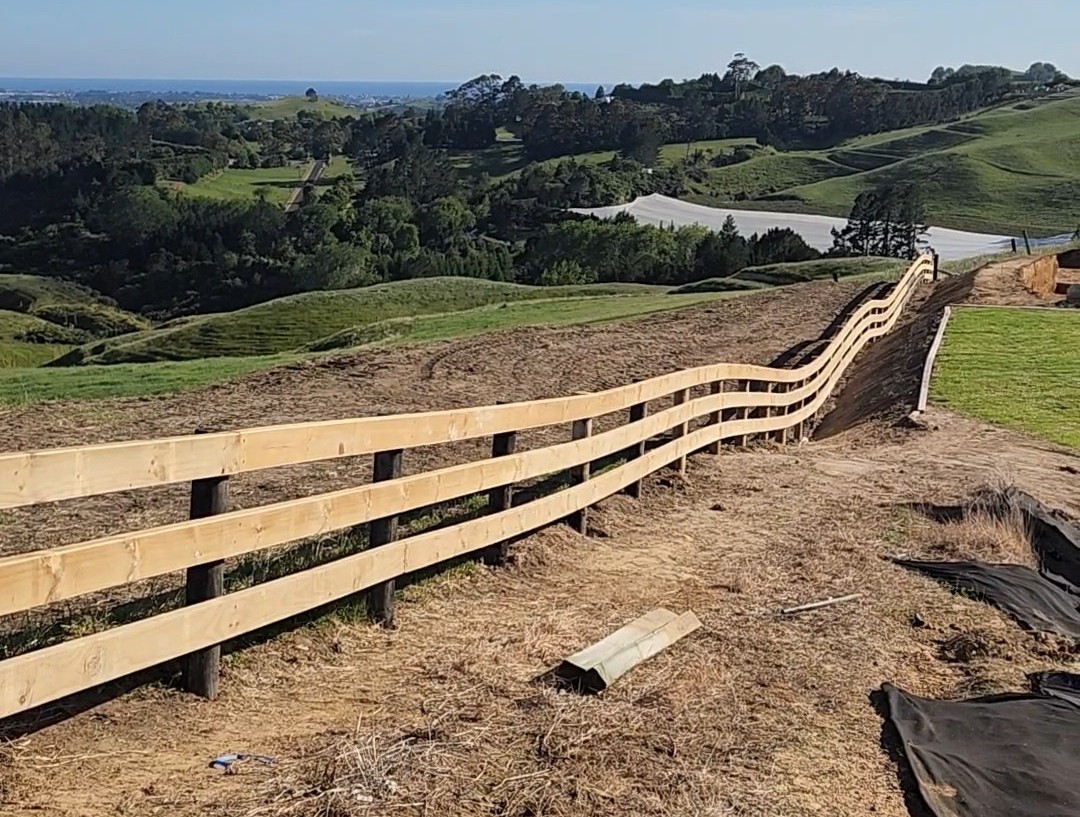
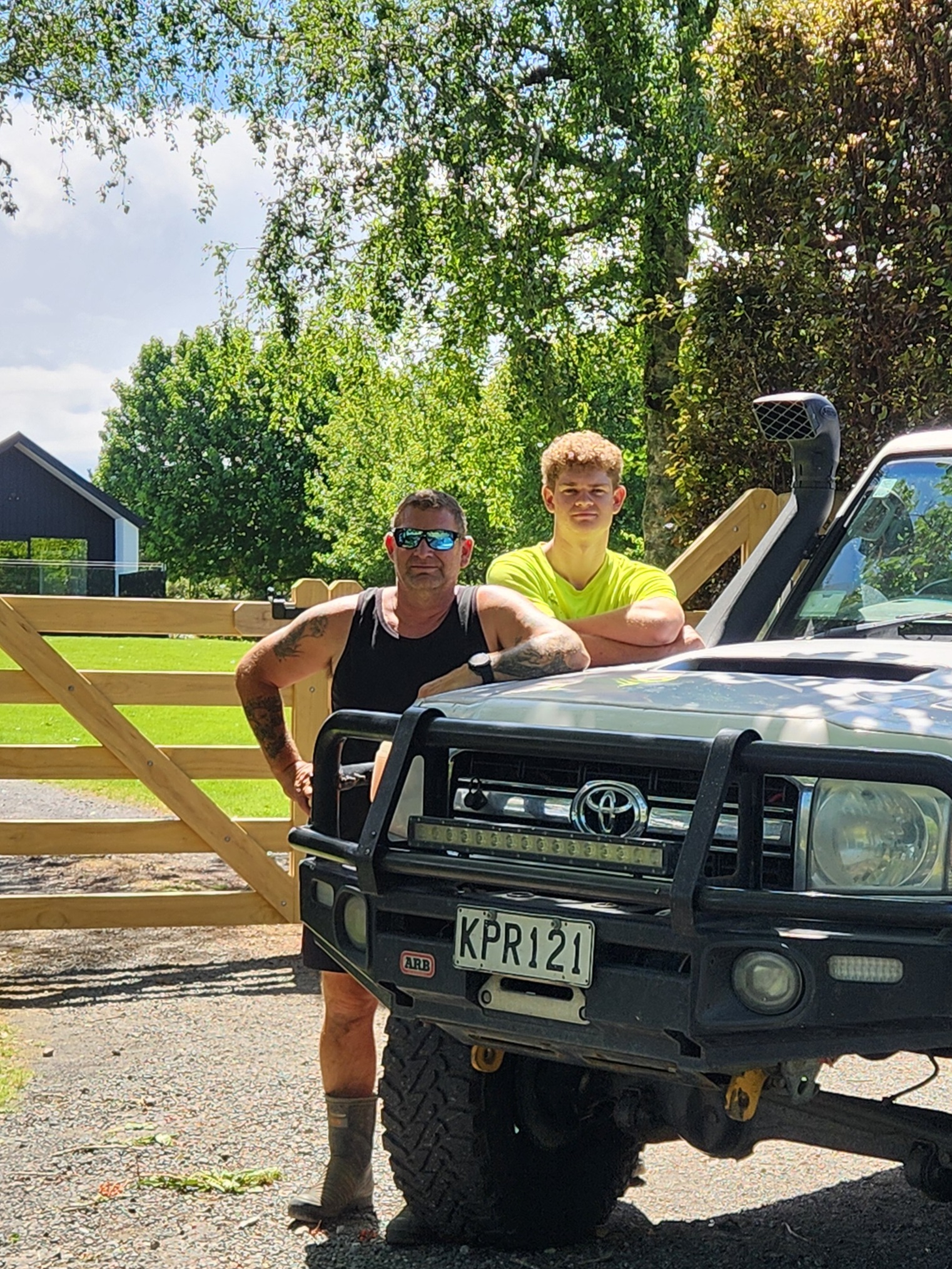
Lifestyle fencing has grown to become the main line of work for Tauranga-based Stag Fencing and Rural Services, broadening its scope of work to be able to take on any type of project.

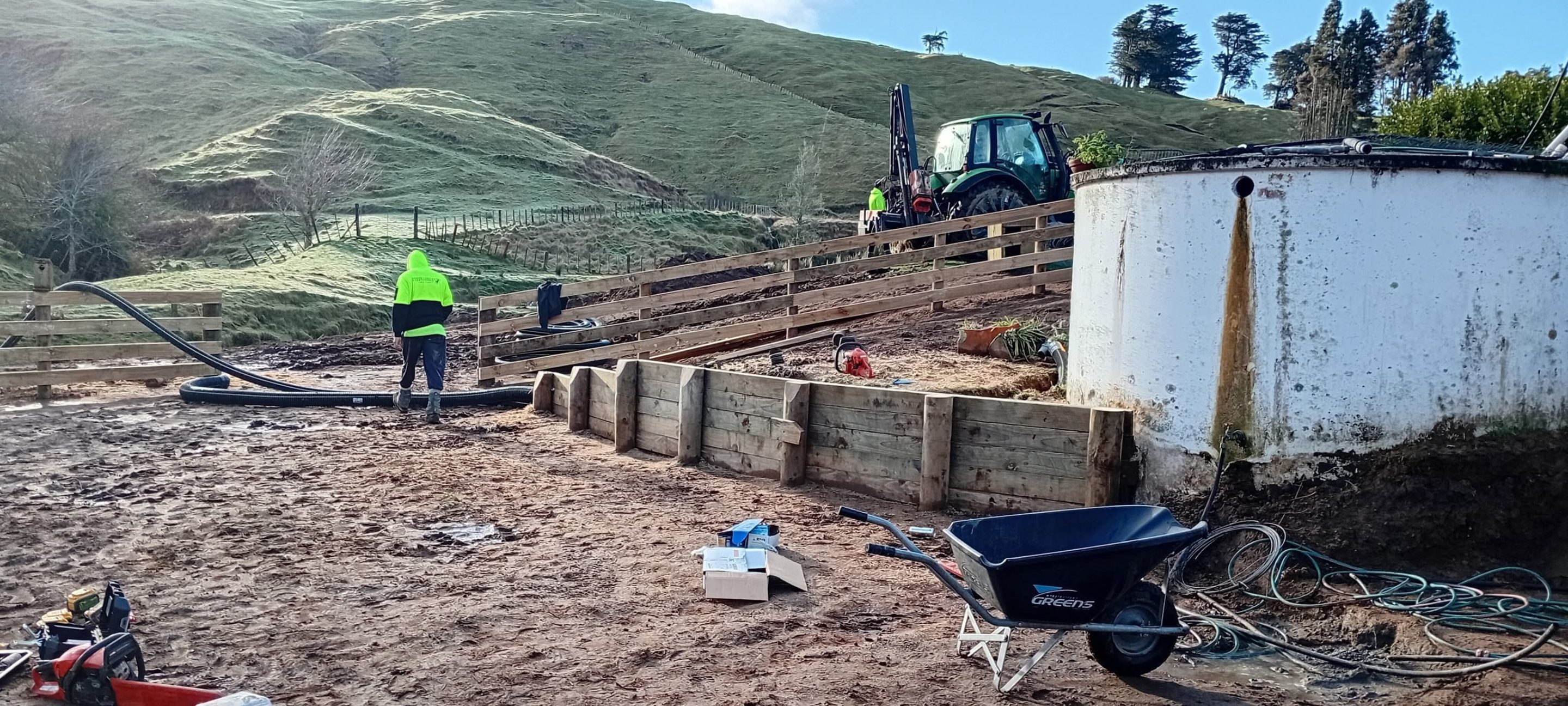
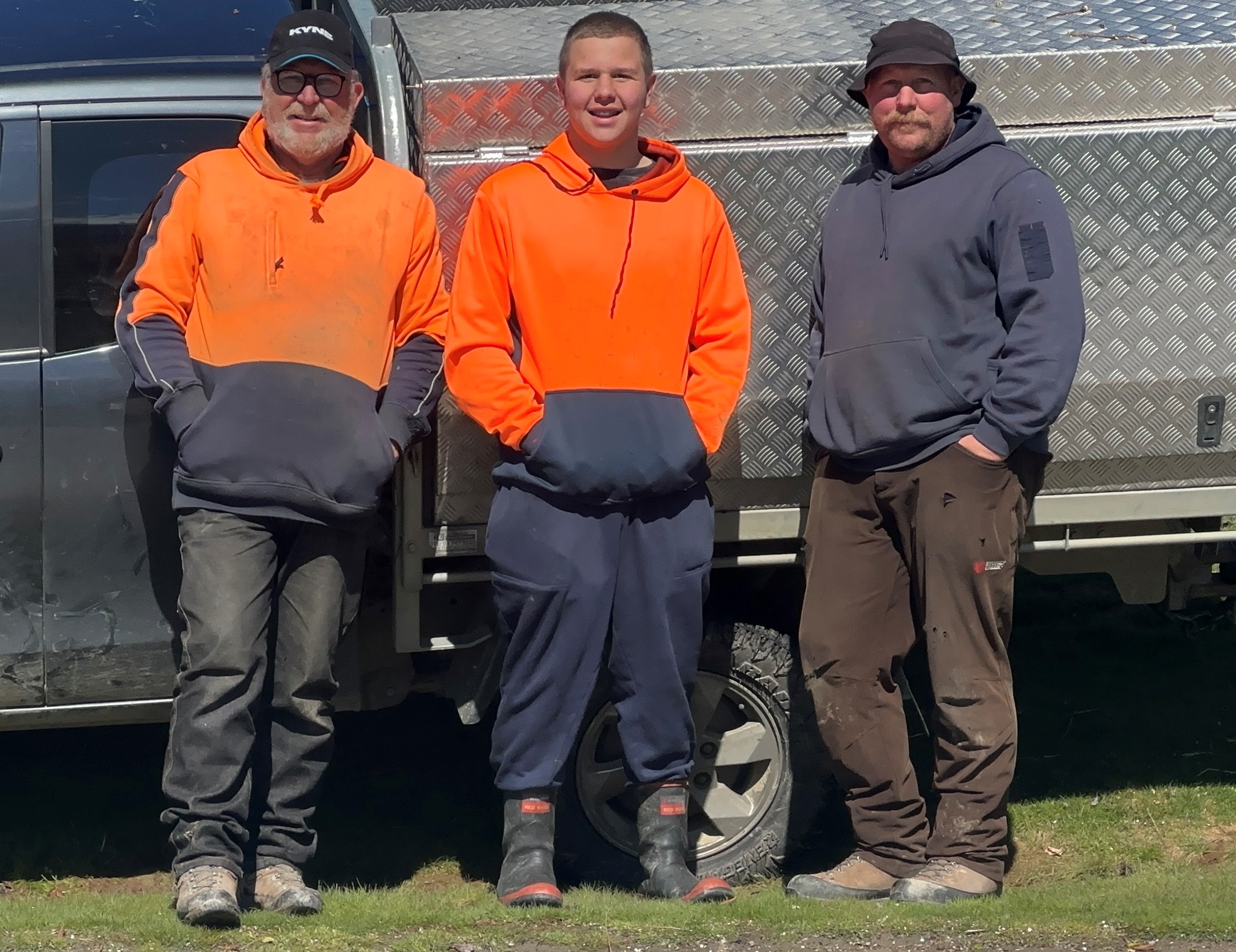
It specialises in both rural and lifestyle fencing across the Bay of Plenty, including orchard construction and retaining walls. With a team of four to five staff, led by owner Lance Brough and his wife Gin managing administration, lifestyle fencing now accounts for 60 to 70 percent of their workload.

It adds a huge variety to the scope of work, Lance says.

“It’s challenging, but the reward is seeing a landowner’s vision come to life.”

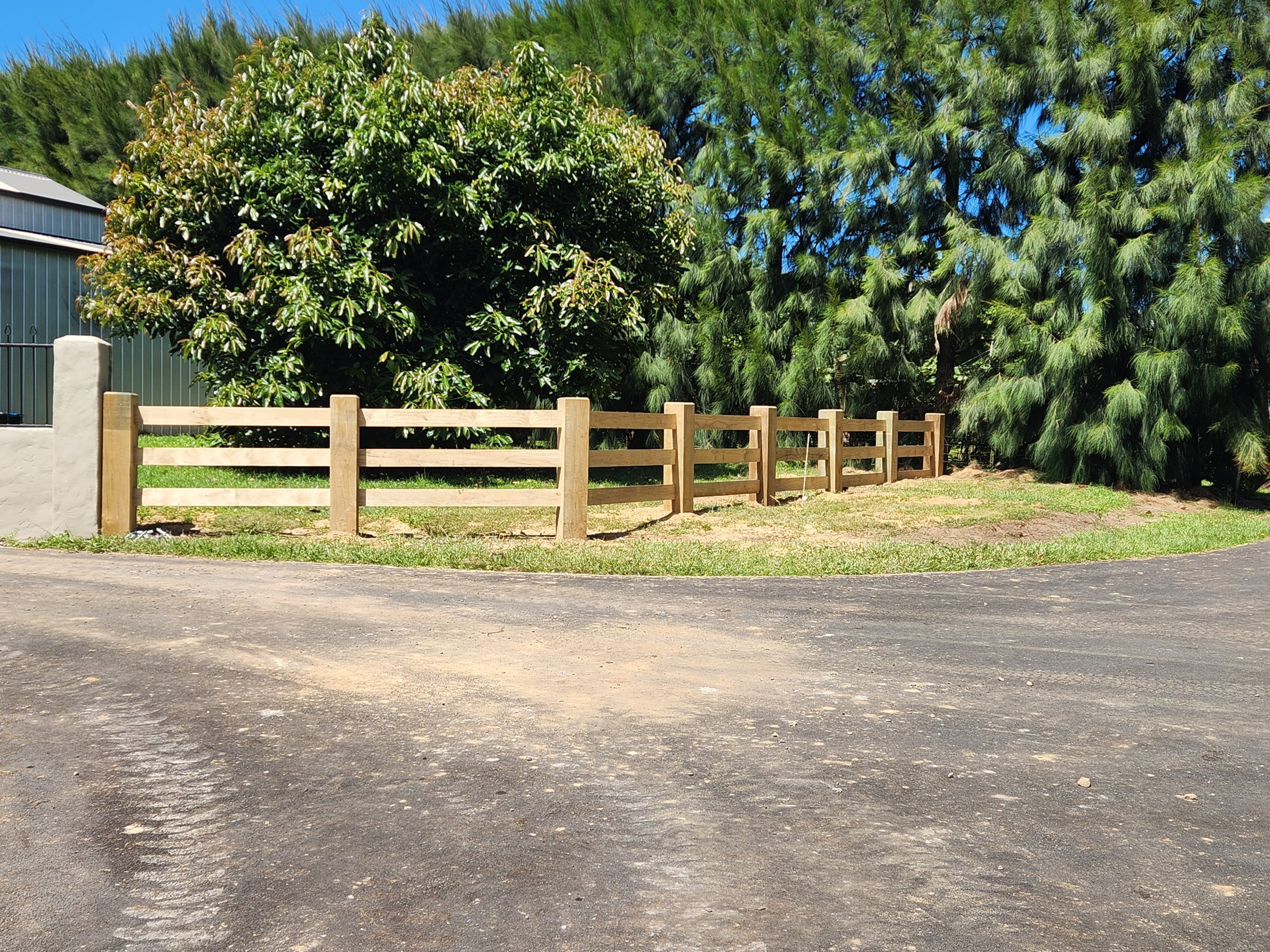
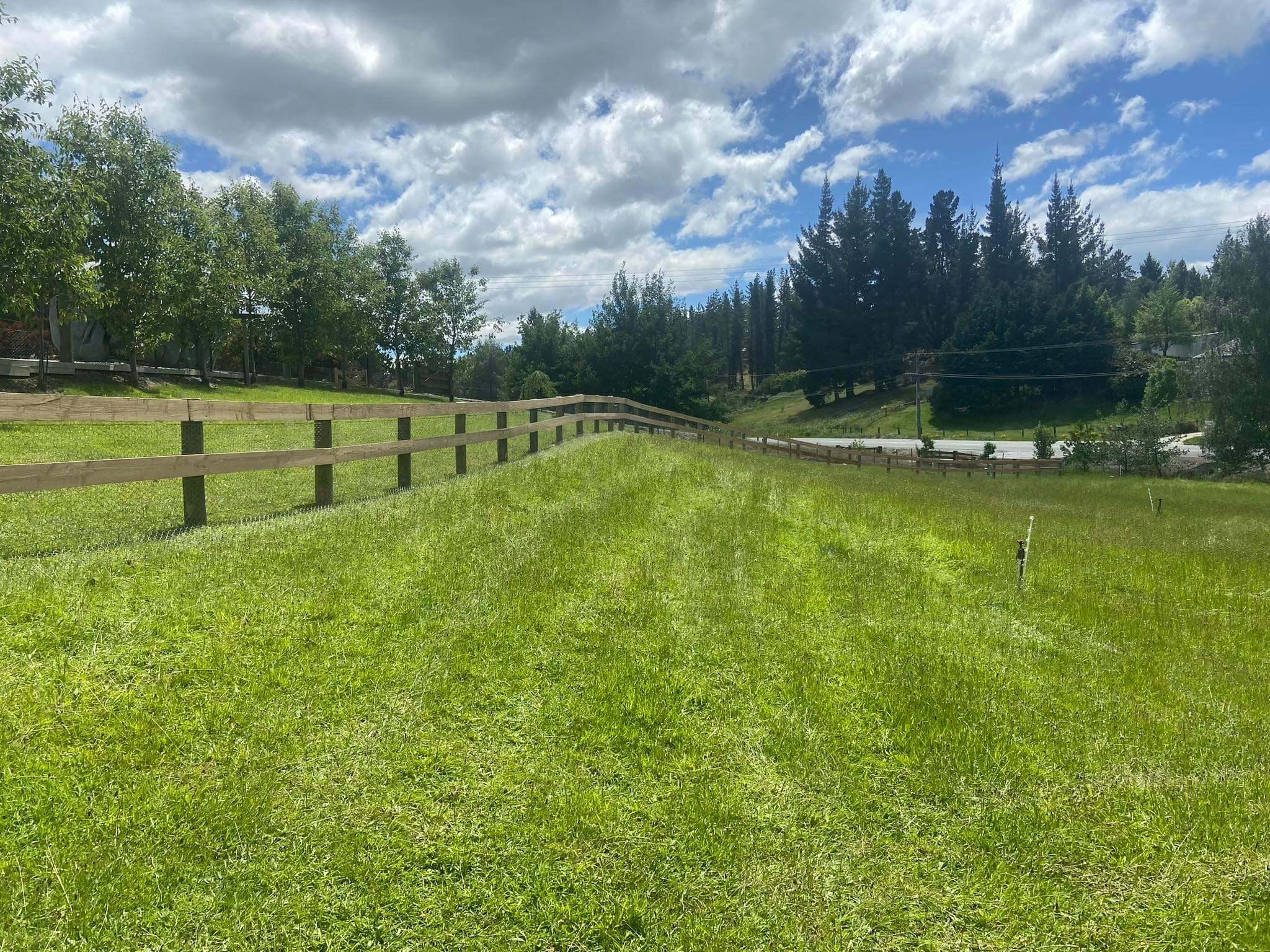
The company’s lifestyle projects range from the standard post-and-rail fencing to interlock systems and deer fencing for clients who want fallow deer on their properties.

The diversity of projects keeps the work interesting, often requiring custom solutions and a high level of finish,” Lance says.

This has included some pretty unusual jobs, he says.

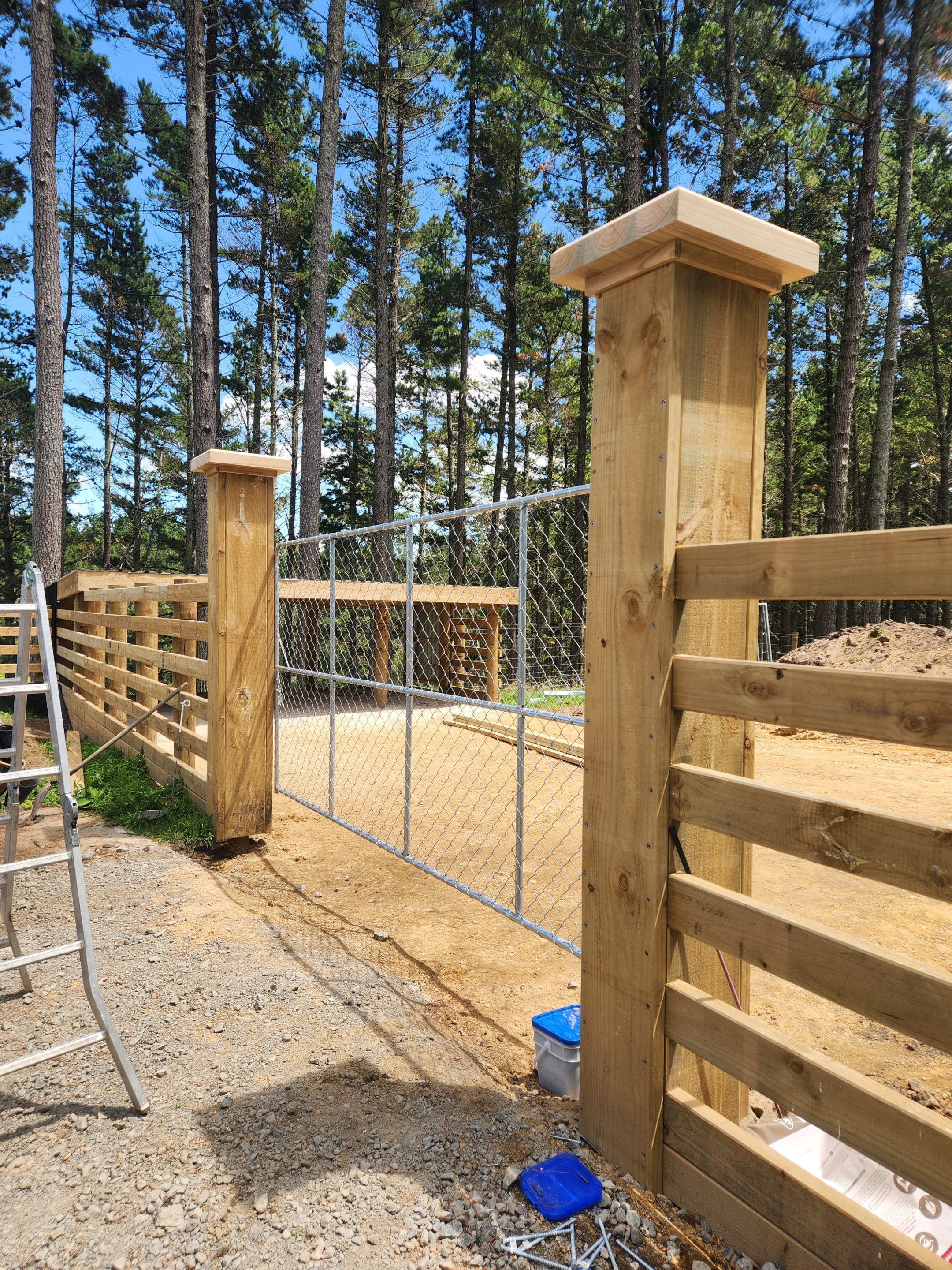
“One was a set of pig dog kennels and an exercise area for a keen hunter. The whole thing was enclosed in a deer-fenced area, and the posts on either side of the gate were clad to look like square columns because the client didn’t like the look of round posts.”

Another standout project involved constructing a large retaining wall with a built-in clay bird thrower and a custom fire pit.

The client wanted to be able to stand on the wall and shoot clays,” he says. “It was a bit different, but a lot of fun to build.”

Lance says there is a huge variety and creativity in lifestyle fencing that comes with the satisfaction of delivering a tailored solution.

He says it’s hard to pick a favourite project from over the years.

“We’ve completed some really cool ones, and they’ve all been enjoyable in different ways.

“What I like about lifestyle fencing is the challenge to bring the landowner’s vision to reality in a way that they are going to love the end result.”

It also comes with its own set of challenges – particularly when it comes to materials, Lance says.

Sourcing dry timber is critical for post-and-rail fencing, and he’d like to see a more consistent supply across the industry.

“I always try to source dry timber when working on post-and-rail fencing. Otherwise, you end up doing a beautiful fence, only to come back a couple of months later and find the joins have opened up.”

He would like to see an industry-led approach to addressing the issue.

“I think as an industry we should be pushing timber merchants to supply quality dry timber.”

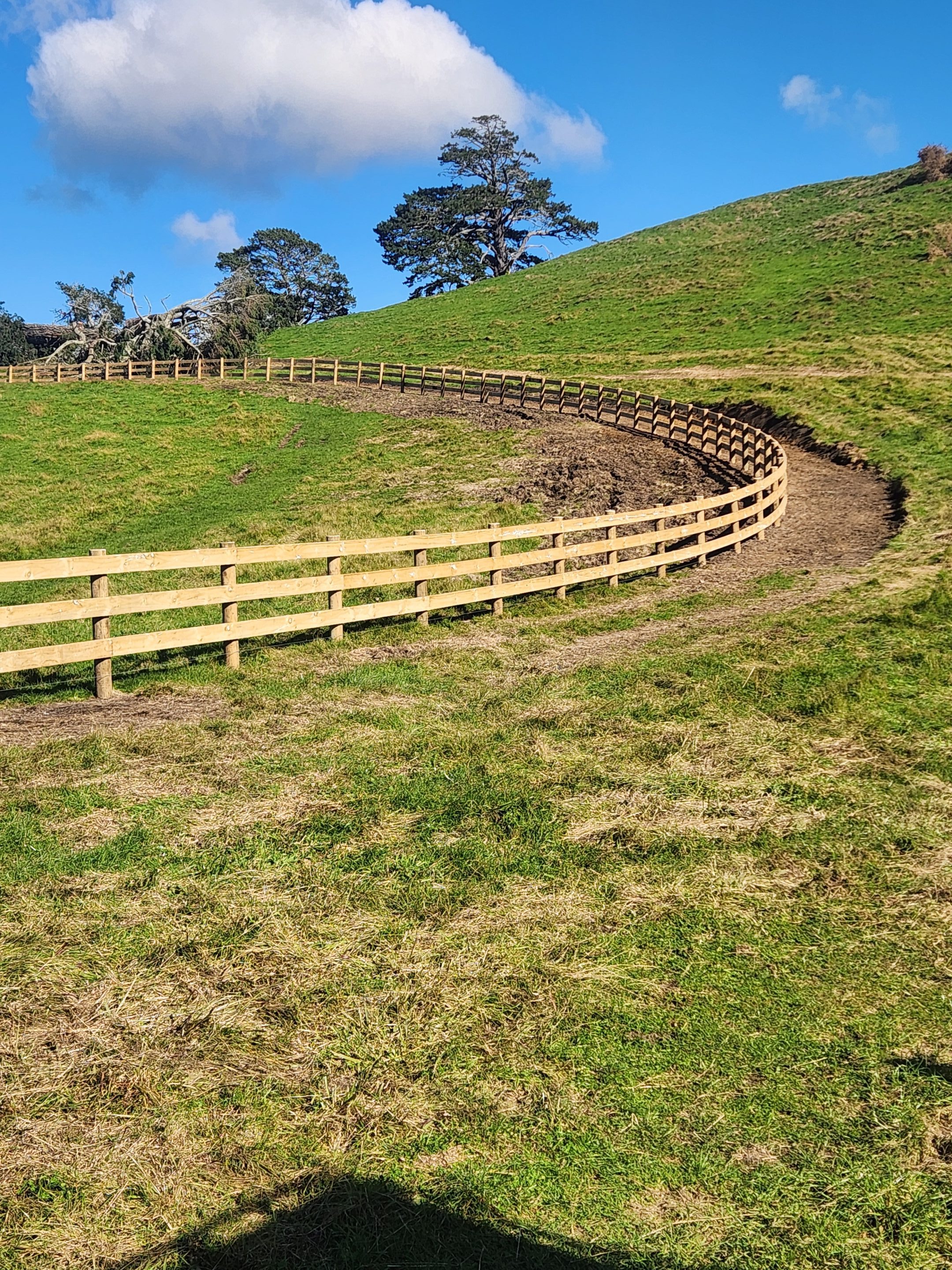
Stag Fencing takes pride in its attention to detail and the high quality of its work, using uni rounds – also known as landscape posts – for their consistent diameter, with each post finished with a router to quarter-round the tops. They also arris the rails, which Lance says gives a clean, professional look.

“Little things like that don’t take much longer to do but can set you apart from the fencer down the road,” he says.

While the company continues to service working farms, orchards, and council contracts, Lance sees lifestyle fencing continuing to be an area of growth for the business.

Stag Fencing came about when an opportunity presented itself three years ago.

“We had been managing sheep and beef stations for over 15 years and felt like a change,” Lance explains.

At the time, Lance and Gin were managing a station in the Kaimai Ranges, with their two children attending good schools.

“So, we didn’t want to move them out of the Tauranga area.”

Lance was offered a contract, fencing for Armer Farms in Te Puke in early 2022, and jumped at the opportunity. From there, the business grew rapidly, he says.

The lifestyle fencing side of the business grew with the increasing number of lifestyle blocks around the Tauranga and wider Bay of Plenty area, and a high demand for timber fences.

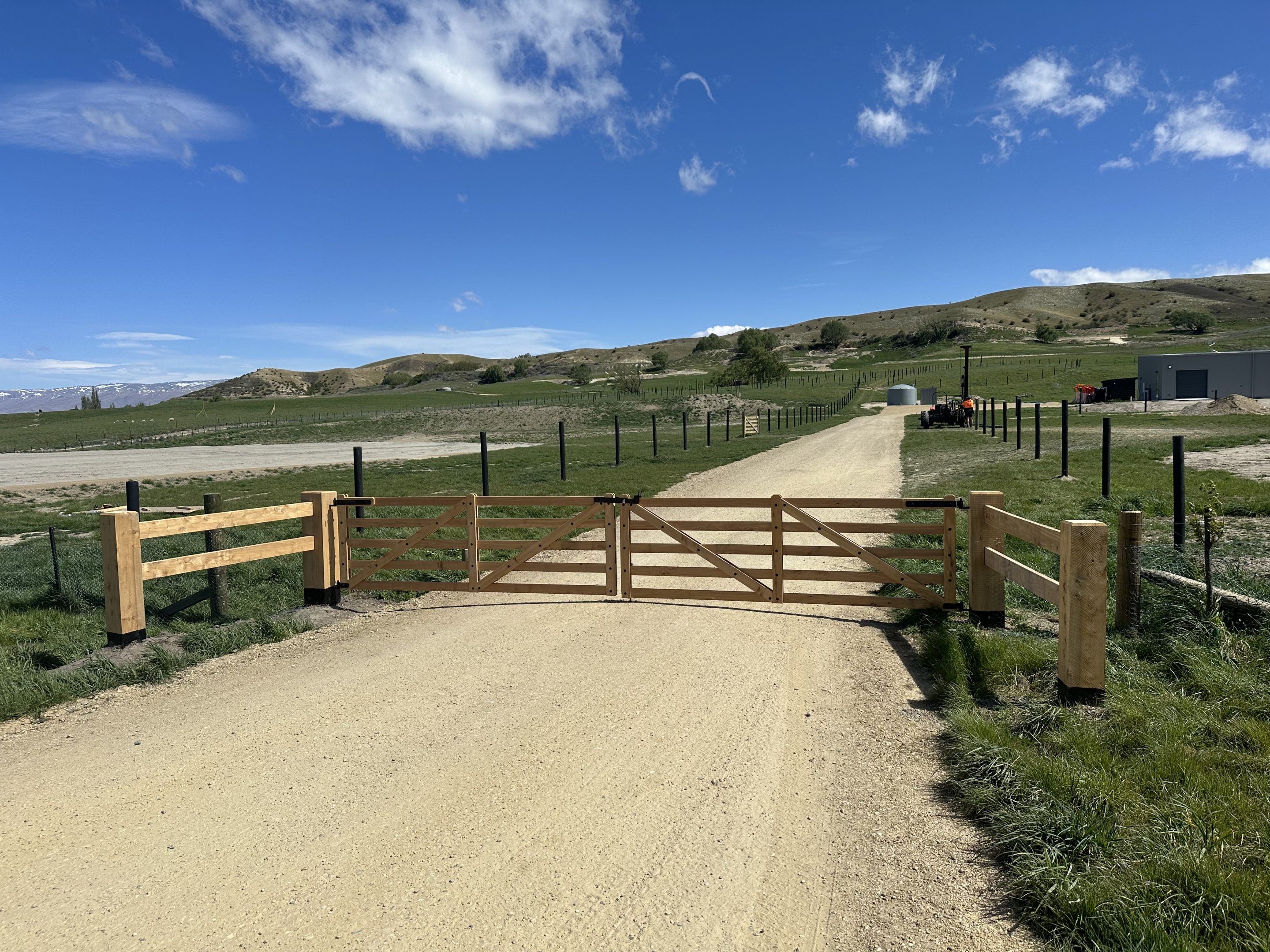
Lance had a background in building before going into farming and has always enjoyed working with timber, so timber rail work and custom-built wooden gates came naturally and were a good fit for the business.

With the high quality of workmanship going into the fences, it didn’t take long for word-of-mouth to get out, and the business grew a lot faster than expected.

They now give back to the community through sponsorship of local hunting competitions and the annual Te Puna Speed Shearing Competition.

“It has been great to give back to the community that has welcomed and supported our business from the beginning,” Lance says.

The future looks bright with plenty of work on the books, thanks to strong support from the locals.

And with son Hunter leaving school to join the team, the couple are excited to continue growing the family business.

Written By Rosa Watson

Published in WIRED issue 79/December 2025 by Fencing Contractors Association NZ

You may also like: Balancing farm and lifestyle in Central Otago

Read WIRED online
Follow us on Facebook

© Fencing Contractors Association NZ (FCANZ)

Posted on

Balancing farm and lifestyle in Central Otago

In the small town of Roxburgh, tucked into Central Otago’s Teviot Valley, you’ll find Abercrombie Fencing Services, a father-and-son team keeping rabbits out and standards high.

Brian started the business nearly 20 years ago, and these days his son Andrew runs the show. Brian still works alongside him, joking that his official job title is “the boy.”

Roxburgh is a place of about 600 people, where the locals know your name and the Clutha River cuts through rolling country and orchards. It’s also where Andrew and Brian have built a reputation for quality work, fair prices, and a good yarn at the gate.

“We’re not out here trying to buy Ferraris; we just take pride in doing a good job at a fair price.”

The balance between farm and lifestyle

Abercrombie Fencing naturally splits its time evenly between farm fencing and lifestyle or residential projects.

“We might spend a month on farm fencing, then the next couple of months on lifestyle,” Andrew says. “It keeps things balanced, and lifestyle work helps with cashflow – it’s more consistent through the year.”

While Brian still loves the big open-country jobs, Andrew has brought a new energy to the lifestyle side. Since joining the business ten years ago, he has expanded their offering to include paling, steel, equestrian, post and rail, and their most popular: macro fencing.

“We’ll do everything apart from rock and brick.”

The Brassknocker project

One standout job was a major subdivision in Brassknocker, just out of Chatto Creek. The project included nine kilometres of seven-wire Y-post fencing, with two kilometres of rabbit netting to combat a local infestation.

“We got into one house, then the neighbour wanted a fence, then the next one – and before we knew it, we’d done every house in the subdivision.”

It was their biggest quoted job at the time, back in 2022, and came with its fair share of challenges.

“The ground was frozen through winter, and we were doing it while Covid was making its rounds,” Andrew recalls. “Staff were off sick, and we had to juggle timing with other contractors. But apart from that, it went pretty smoothly.”

The team on site included Andrew, Brian, Genna, and Becky, along with their Kubota Series 2 Kinghitter, an orchard tractor, and plenty of manual wire running. The land itself was once an old farm paddock that had rolling hills, and was full of character.

Six years on, Abercrombie Fencing still does work in the same subdivision, building equine fencing and macrocarpa entranceways. “If you’re doing a subdivision in Central Otago,” Andrew laughs, “and you haven’t got schist stone or macro involved… you’re not doing it right.”

Lessons from the lifestyle side

That Brassknocker project opened Andrew’s eyes to the business side of fencing. “It taught me a lot about pricing, communication, and management,” he says. “It showed me how important it is to ask the right questions and really understand what clients want.”

Communication, he reckons, is what sets them apart. “Clients come to us through word of mouth. We talk to them properly, explain what things cost, and try to find the right fit for their budget.”

“People come in with big ideas – it’s about giving them the best result within their budget.”

Between them, Brian and Andrew have more than 30 years of farming experience, giving them a practical edge when it comes to layout, stock movement, and yard design. “A lot of people buying lifestyle blocks haven’t fenced before,” Andrew says. “We try to give them maintenance tips too – like checking rabbit netting monthly, keeping timber stained or painted, and adding a hot wire if needed.”

Local supply, local pride

Staying local is a key part of how Abercrombie Fencing operates. Around 95 percent of their timber comes from Stuart’s Timber, a family-run sawmill in Tapanui. “We’ve got to be organised, but it’s worth it,” Andrew says. “Supporting local businesses is important to us.”

Finding staff in a small town, however, isn’t easy. “If we could click our fingers and find a replica of us 20 years ago, it’d be a lot easier,” he laughs. For now, they stick to what works – which is a small, reliable team that gets the job done right the first time.

Looking ahead

Next on the horizon is work in Queenstown, where rabbit netting will again take centre stage. “There’s no point putting six figures’ worth of natives into a property that’s just going to feed some rabbits,” Andrew says.

Outside of work, he enjoys exploring the South Island with his wife – “driving to Queenstown for noodles and a beer,” or unwinding at home or the local pub. Watching his son play sport, catching up with mates, and enjoying a Hazy or a Speight’s if nothing else is on tap.

From paddocks to lifestyle blocks, Abercrombie Fencing Services continues to set the bar in Central Otago, proving that skill, communication, and good old-fashioned pride in your work never go out of style.

Written by Brooke O’Connell

Published in WIRED issue 79/December 2025 by Fencing Contractors Association NZ

You may also like: Macrocarpa post & rail fencing a rewarding project

Read WIRED online
Follow us on Facebook

© Fencing Contractors Association NZ (FCANZ)
Posted on

Macrocarpa post & rail fencing a rewarding project

Building 2.6 km of macrocarpa post and rail for the Brookfields Heights subdivision in Timaru was a major step beyond the usual agricultural fencing work for South Canterbury-based Tony Brady Fencing.

The project came about through a long­term client whom Tony has worked with for over 25 years.

“It was going to be a big job and a lot different to the normal farm fencing we had done for this lifelong client before, so we couldn’t really turn it down,” Tony says.

The job required the largest supply of macrocarpa fencing materials to one job at that time, sourced from Pankhurst Sawmill in Otago. Although more expensive than the typical tanalised pine, the client wanted the distinct macrocarpa look and was willing to pay for it.

The project took over 12 months of coming and going, waiting for the supplier to get the timber to site and for windows in the weather.

“The weather had to be good when you are digging in clay,” Tony explains.

In total, the team carried out around 2,300 man-hours, with two to four staff working along the fence line at different times.

“Some days there were a few of us tackling the more difficult contour sections that needed an extra eye for detail,” says project leader Kyle Perrin.

The timber was substantial, with strainer posts measuring 250×250mm and 2.1 metres long, the line posts were 200×200mm, and rails at 150×75mm.

“They were heavy, but good, solid timber that looked sharp,” Kyle says.

Installing the posts required boring each hole, installing the rails into the mortise that were 50mm deep into the posts, then ramming the bases of each post to about 150mm high, a section at a time, just to hold it all in place.

“We would do one or two hundred metres, then we would get the mini concrete truck in every couple of days, setting them into place. We also chamfered all the rails on site to give it a nice finish,” Kyle explains.

The contouring terrain added to the challenge, with the fencing needing to flow nicely with the ground.

“So we had to keep an eye on the tops of the posts and stand back every now and then, to get a better look at the contour of the fence, and adjust it if needed.”

The result was a strong, eye-catching fence that both Tony and Kyle are proud of.

The client was “pretty chuffed” with the result, Kyle says.

With sections around 5000sqm, there could be more work on the cards, as buyers may look to add more fencing if they’d like to keep that same style.

The project had provided variety to the team, and added another string to the bow, Kyle says.

“It’s always good to have a bit of everything to mix it up.”

It had required a much slower pace, with the team averaging around 80 to 100m per day.

“It’s a lot slower than agricultural fencing. It takes a day or two to get the process or method down; it’s pretty straightforward,” Kyle says.

“You’ve got to slow down. You’ve got to think a bit more and give a bit more attention to detail.”

With Kyle managing the build over the year of construction, Tony was able to continue with the company’s usual agricultural fencing.

Tony has 40 years of fencing under his belt with the business in its 32nd year. It all started when a big flood came through the Pleasant Point area in 1986, and a local contractor desperately needed more workers.

Tony took on the work with the fencing contractor before going out on his own seven years later. Kyle joined the team four years ago.

Most of their work is in the rolling South Canterbury countryside, on sheep and beef, cropping, and deer farms, with some high country work up on the Hunter Hills – something that is challenging and Tony loves getting stuck into.

“It’s a satisfying job, being able to see the results of your hard work at the end of the day – knowing it’s going to be standing there for a long time,” Tony says.

He says he is fortunate to have some “very loyal clients” who kept the business humming.

Written by Rosa Watson

Published in WIRED issue 79/December 2025 by Fencing Contractors Association NZ

You may also like: One man, many posts

Read WIRED online
Follow us on Facebook

© Fencing Contractors Association NZ (FCANZ)
Posted on

One man, many posts

As I write this, we are still in a state of emergency following the severe gale-force winds and rain that hit Southland in late October; the phone and emails have been off the charts, and to be fair, they already were prior to this weather event.

This year has been very busy with enquiries, and our spring has been very testing in terms of getting work done. Despite all this, only this week I’ve completed 2km of deer fencing for a wonderful client.

My name is Adam Smith, and I own and run (I’m the only worker!) A.J. Smith Fencing Ltd, on the outskirts of Invercargill. I’m not the young fencing entrant, having only started properly in the business at 48 years old. I’ve been told to slow down a bit, but actually, fencing is a really good fit for a person of my age.

I come from a farming family in eastern Southland, and I already knew enough to be dangerous! Having helped and witnessed my father and older siblings on repairs and upgrades in the ‘80s and ‘90s, then working on my own projects, I knew that strainers were big; they had to be compacted well, lines straight, and wires tight.

My Dad was a damn hard worker. The home farm is passed on now, but most of his work still stands strong from the 1950s to 1980s. That work ethic was definitely picked up by myself and my brothers – even though I chose other careers, my last being an Agricultural Service Tech, I knew I had to evolve into something else. I left that role and started a small landscaping and lawn mowing business, but soon found that it really didn’t cut it for me.

I was offered a winter post and rail job, and from there it seemed obvious which way to go. Things grew quickly, and initially my brother started as a sub­contractor to me, until he moved from the farm to Cromwell. He now works for another fencing contractor there.

I have been asked to write this article about lifestyle fencing – yes, I do a lot of that, but you will find that it encompasses a wide range of work from the two-acre block to the 40-acre small farm, to rural farm/commercial projects, and horse containment. I have also been involved in many town fence jobs.

The town jobs have to be measured perfectly; you have to know your stuff (underground services can be quite fun, ha ha). The discipline across them (town vs rural vs lifestyle) is very similar, although the application is totally different.

I tell people, “A rural fencer should do town fencing, and a town fencer needs to do rural fencing,” so that they understand that doing things right on different levels matters. I am fussy. Too fussy sometimes – I can get hung up on how a certain project is going or the way I’m doing things. You can tell when you’ve done a job well from your client’s reactions; sometimes I’ll leave the job at 6pm and there’s a certain part I’m not 100% happy with. The next morning it usually becomes clear within the first minute if what I’ve done is good or not. That’s why I really admire the FCANZ Best Practice techniques and methods. I spend a lot of time practising this, and I am a very hands-on guy. At the start I practised wire knots, terminations, straining etc., all in my spare time until I was blue in the face.

Rail installation variations – I’d see another way to do something that looked top class, and I’d foster that. It definitely pays, as now I have clients who are just so happy with what I’ve done. I installed a whole lifestyle block fence back in February, and afterwards, the client was so happy that he even paid a little more than the invoice.

He said, “Well, I’ve done a lot of farm fencing before, but I’ve never seen the quality of this before. Your knots are consistent, the stays look amazing, everything is just awesome.” It makes you feel good and makes you go the extra mile. Another client recently asked what materials to use for a three-rail post and rail I was involved in. I suggested 200 x 1.8 line posts, 150 x 50 rails, with a 1 metre post height. He agreed, and it really did come up well.

You have to know your materials. I won’t use inferior or undersized posts or timber. Often you will have a job where the client has bought the materials, and it’s obvious price has been the only factor for them. I have been known to return client purchases before and select the right stuff for the job.

Client expectations have actually been very good recently. I’m seeing acceptance of quality materials, and a whole appreciation for doing it right the first time. Respect for my work has really grown. I have a long list of clients waiting, which is comforting.

I do really need to complete a Level 4 Certificate in Fencing because it’s being offered; it’s great that the industry is becoming very professional. I have to admit, I do need employees, and as I grow older there is no denying that the work is very physical, but I do surprise myself as to the type and amount of work I can do alone.

I’m not a fan of the paperwork side – quoting and bookwork. But having run a very different business years ago and having held leadership roles, I know the drill. It is 100% necessary.

My equipment makes a huge difference too. Now on my third tractor and second post driver, the newest one makes difficult situations easier. I could never go back!

Let’s keep moving this industry forward. I have found my place! I will no doubt still complain about the weather though!

Written by Adam Smith

Published in WIRED issue 79/December 2025 by Fencing Contractors Association NZ

You may also like: The art (and challenge) of lifestyle fencing

Read WIRED online
Follow us on Facebook

© Fencing Contractors Association NZ (FCANZ)

Posted on

The art (and challenge) of lifestyle fencing

We’re Cooper & Spade Fencing, based in the sunny Bay of Plenty – a small but mighty crew. Ben took over from the old man, who left behind a legacy after fencing for more than 35 years.

Around 70% of our work these days is on lifestyle blocks. It’s a good chunk of what we do and a great balance between residential and horticultural jobs. It’s that part of the fencing world where practicality meets presentation, where a good finish matters just as much as good function. Every job is different, every site has a view worth stopping to appreciate. Plus, you meet some bloody good customers along the way.

The types of fencing we do

When it comes to lifestyle properties, there’s no “one size fits all.” We build just about every type of fence you can think of: post and wire, post and batten, post and rail, deer fencing, netting, equestrian fencing, stock yards, and more. Some clients are running a few stock, others just want to frame their property, replace rundown fences, or change boundary lines.

What’s consistent is that lifestyle fencing combines the best bits of rural and residential work – it needs to perform like a farm fence but look good enough to blend into someone’s backyard.

That balance between function and finish is what makes lifestyle fencing so interesting. You use the same core skills of rural fencing, but then add a layer of craftsmanship. You’re not just keeping animals in or out, you’re shaping how a property looks and flows.

The challenges of lifestyle fencing

Every type of fencing has its own challenges, but lifestyle fencing brings a unique mix. Often, you’re working on smaller sites with varied terrain and plenty of obstacles to work around. It’s nice when you get a line that’s out in the middle of a paddock, free from services, water pipes, fibre cable and all that other jumbo that gets in the way.

One of the biggest challenges is access. Weather certainly can throw curveballs too, many a time towing Utes out of bog holes and slippery paddocks. It’s not uncommon to be slogging strainers uphill on your shoulders, digging holes by hand, dragging wires out and packing gear around like donkeys, but honestly, that’s part of the appeal, makes the beer taste just that little bit crisper when you get the boots off.

Clients are often hands-on too. They usually have a vision for their fence, but not always a clear idea of what’s practical or how it all comes together. Part of the challenge is helping them find that balance between looks, cost, and longevity.

Why we love it

There’s something incredibly satisfying about lifestyle fencing. Compared to large-scale farm contracts, lifestyle jobs are quicker, more varied, and often more creative. You get through projects pretty fast, which means you’re not stuck in one spot for months. There’s a nice rhythm to it: start fresh, put your stamp on the job, stand back and admire it, then move on to the next.

And the views? They’re unreal. One day you’re looking out over rolling farmland, the next you’re fencing beside the sea or staring straight at Mount Maunganui. Lifestyle fencing gives you front-row seats to some of the best scenery New Zealand has to offer, all while doing work you can be proud of. We also love meeting the customers. You always get a few good yarns, and some of those chats turn into long-term relationships. You know you’re doing something right when a client calls you back year after year, and on lifestyle blocks, there’s always another project waiting.

Another reason we enjoy it is that it lets us show off our workmanship. These jobs are personal – for the client and for us. We love adding those finishing touches: clean lines and tidy joins. Using a skilly or a router instead of a chainsaw might take a bit longer, but it gives the fence that clean finish that really stands out. It’s rewarding to know that what you’ve built will be seen and appreciated every day by the people who live there.

Our favourite project

There have been a few jobs that stand out, but I’d have to say a small subdivision development in Tauranga. The client spotted us at another job putting up some post and rail and was convinced we were the crew for the job. He had an idea of where he wanted the lines to go, but gave us a free rein and pretty much said, “Put them where you think looks best,” – curvy lines following driveways, big strainers on ends of runs with rails notched in and all edges arrised. Everything went like clockwork; they were stoked with the outcome and were a breeze to communicate with. We have continued to get a lot more similar work because of that one job.


The result was something we’re genuinely proud of – straight lines, solid timber, perfectly aligned rails. It’s the kind of job that reminds you why you got into fencing in the first place. There’s nothing like looking back down a finished stretch and knowing every detail is spot-on.

And like most good jobs, once people see the work, they want more. We often find ourselves back on site doing extra bits – gates, retaining walls, more fences – and occasionally the oddball requests that make you wonder if you’re still a fencer or have become a full-blown handyman.

Things to consider when choosing your fence

If you’re thinking about fencing your lifestyle block, the best advice we can give is to think about your needs and your wants. Any fence can be a lifestyle fence if it suits your purpose. Start by asking yourself: what do you need the fence to do? Is it to contain animals, mark a boundary, or add aesthetic appeal? Once you’ve got that sorted, you can look at styles and materials that achieve it without compromising the look you want. Don’t automatically go for the cheapest option – in fencing, you really do get what you pay for. A well-built fence is an investment that should last for years with minimal upkeep.

Maintenance (or lack thereof)

The good news is if the job’s done properly, it shouldn’t need much maintenance at all. The key is to use quality materials, don’t skimp. Get the big boys in, pay a bit extra for something that’ll last longer. Solid construction and correct installation make all the difference.

For electric fences, the main thing owners need to stay on top of is vegetation – keeping grass and weeds off the hot wires to maintain a good current. Beyond that, a quality fence should stand the test of time. Permanent strainers also mean you can tighten things up if tension is ever required.

Tips & tricks from the field

After years on lifestyle jobs, we’ve picked up a few tricks that make a big difference: use the right materials. Cutting costs with cheaper timber might seem smart at first, but it never pays off. Quality lasts – and it looks better too. Use bugles or bolts – don’t nail.

Take the time to finish things properly. Small details take your work from “good enough” to “great.”

Work smarter, not harder. We live in the age of battery-powered everything – make the most of it. Break your tools, not your body. Invest in gear that saves time and pain.

A word to fellow contractors

Lifestyle fencing is a space where your reputation is built on the quality of your finish. These clients notice the details, and they’ll remember your professionalism long after the posts are set. Our advice to anyone working in this space is simple: don’t take shortcuts. It’s not worth it. Be proud of your work, no matter how big or small the job. Every fence you build represents your standard – your signature. If you can look back at a finished line and feel a sense of pride, you’re doing it right.

And here’s some bonus advice from us:

  • Stay on top of your admin.
  • Life’s a lot less stressful when you get the paperwork done on time.
  • Appreciate your crew.
  • A bit of praise and the occasional beer go a long way.

In the end…

Lifestyle fencing might not be the biggest part of the industry, but it’s one of the most rewarding. It challenges your skills, keeps things fresh, and connects you with clients who genuinely value what you do. You get to build something that’s both functional and beautiful – something that frames a property, keeps animals contained, and adds to the landscape.

At the end of the day, that’s what it’s all about. It’s not just wire and timber – it’s craftsmanship, care, and pride. For us at Cooper & Spade Fencing, that’s what good fencing is all about.

Written by Ben Cooper


Published in WIRED issue 79/December 2025 by Fencing Contractors Association NZ

You may also like: Youth no barrier to business

Read WIRED online
Follow us on Facebook

© Fencing Contractors Association NZ (FCANZ)
 

Posted on

Engineering the future of farming – inside Strainrite’s high-tech tool revolution

In New Zealand’s demanding agricultural and horticultural landscapes, precision, power, and reliability aren’t luxuries—they’re essentials. That’s why Strainrite Fencing Systems has introduced a new generation of professional tools designed to help Kiwis work smarter, faster, and safer.

PRUNING SHEAR – F3020 precision redefined

At the heart of this new lineup is the PRUNING SHEAR – F3020, a professional-grade tool that blends decades of refinement with cutting-edge technology. Designed for horticulturalists, arborists, and vineyard operators, the PRUNING SHEAR – F3020 delivers clean, consistent cuts with minimal effort.

What sets it apart is its intelligent engineering. The shear’s brushless motor provides more power while reducing maintenance, and the ergonomic design makes extended use comfortable—even in tough conditions. Interchangeable heads mean users can tailor the tool to their specific needs, from delicate vineyard pruning to heavy orchard work.

Paired with the lightweight battery and intuitive trigger sensitivity, the PRUNING SHEAR – F3020 isn’t just a pruning tool—it’s an extension of the user’s hand. Its precision doesn’t just save time; it protects plants, improving long-term growth and productivity.

PROCRIMP – F3020 The future of fence construction

Innovation meets brute force in the PROCRIMP – F3020, a powered crimping tool that harnesses the same handset as the PRUNING SHEAR – F3020 to deliver industrial-grade performance for fencing contractors. Designed exclusively for Strainrite Crimp Sleeves, the PROCRIMP – F3020 brings consistency and speed to one of the toughest jobs on the farm: joining wires.

Mounted with a custom crimping head, the PROCRIMP – F3020 transforms the manual process into a fast, repeatable operation. Contractors can install crimps in seconds, reducing fatigue and installation time dramatically. For large-scale projects, the impact is immediate— less downtime, more output, and precise crimps every time.

By using the same proven power platform, the PROCRIMP – F3020 ensures reliability and familiarity. The robust battery system that drives the pruning shear powers the crimper, simplifying logistics and maximising value for professionals who demand versatility from their gear.

TYING TOOL – AT1000 The tying revolution

In vineyards, orchards, and nurseries, plant tying can be one of the most repetitive and time-consuming tasks. The TYING TOOL – AT1000 is designed to turn hours of manual tying into minutes of effortless precision.

With its automatic wire feed and variable tie strength settings, the TYING TOOL – AT1000 adapts to every branch, cane, or trellis situation. It’s lightweight, intuitive, and ergonomically designed for day-long use. For growers chasing efficiency and uniformity, it’s a game changer— delivering thousands of perfect ties on a single charge.

The TYING TOOL – AT1000 also pairs seamlessly with the same battery system, making it part of a cohesive family of professional tools built to handle the rigours of New Zealand agriculture.

Innovation with purpose

These tools share a single philosophy: build equipment that empowers people to do their best work. From pruning to crimping to tying, each product is a fusion of engineering excellence and user-first design.

Strainrite’s partnership brings this technology to New Zealand professionals who demand more than just reliability— they want performance that transforms their workflow. With the PRUNING SHEAR – F3020, PROCRIMP – F3020, and TYING TOOL – AT1000, Strainrite is helping New Zealand’s growers, contractors, and fencers work not just harder, but smarter.

Power. Precision. Performance.

Professional tools from Strainrite— proof that when innovation meets craftsmanship, even the toughest jobs become effortless.

Supplied by:

Published in WIRED issue 79/December 2025 by Fencing Contractors Association NZ

You may also like: Small but mighty – Strainrite launches the new Mini Reel for smarter fencing

Read WIRED online
Follow us on Facebook

© Fencing Contractors Association NZ (FCANZ)
Posted on

Equine fencing – where behaviour leads the way

Fencing for horses is not just about strength, durability or aesthetics, it’s about understanding the animal behind the fence. Horses are fast and powerful, so tailoring fencing to the temperament of each animal is crucial.

A well-built equine fence considers how horses see, move, and behave, and ensuring their safety depends on more than timber rails or wire tension – there are many factors that make an equine fencing system do its job, and do it well.

Why horses are different

Neil Robertson from Waikato-based fencing contractors, Fensin, explains that horses react quite differently to cattle or sheep.

“Horses are flighty animals, especially racing horses or bloodstock animals. If they get a fright, it doesn’t matter what’s in the way, they’ll run into it,” Neil explains.

For this reason, a coated equine fence wire is often put alongside wooden posts and rails so horses can clearly see the fencing. Best practice means prioritising visibility, eliminating sharp edges, and using electrification as a sensory barrier that the animals soon learn to recognise.

Horses also have a tendency to rub, lean, and test boundaries, and their social dynamics often lead to pacing or chasing along fence lines, and, as Neil explains, they can get bored easily, so often chew on the timber. “That’s where the electricity comes into it. They learn to respect the fence and keep clear.”

Contractors like Neil use the High Conductive Equine Fence Wire in high and low positions.

“With a wire up higher, they learn not to lean over the top,” he says. “And there’s usually a lower wire, so when they lean down to the ground their nose might get a bit close to the hot wire and they know to move away.”

Well-positioned wires are also beneficial for foals, who quickly learn to respect the pulse, often starting out in smaller paddocks designed to help them get used to fencing and the voltage currents.

Insights from the field

“One of the biggest mistakes I see is that people are not considering the horse’s behaviour,” Neil observes. “Poor visibility, or fences built too low or with sharp corners can all increase risks. Not using the right products for the type of animals you’re fencing can be dangerous – and you shouldn’t always go with the cheapest.”

Neil integrates equine-specific products like flexible equine wire, permanent wire strainers, and electric offsets.

“Timber can be expensive, so you want to make sure you’re building something that will last.”

Using these products often means he can have wider spaces between the uprights, which can help reduce some costs.

Fit for purpose solutions

Gallagher’s equine fencing systems are designed with horse behaviour in mind.

For example, the High Conductive Equine Fence Wire and its plastic insulated coating are thick, with benefits beyond having greater visibility.

“These equine wires have good give in them if a horse butts into them,” Neil explains, “and, because they’re not so thin, they’re not so sharp. No one wants pricey vet bills from wire cuts.”

If an animal does crash into a fence, the thickness of the equine wire means it won’t spring back and curl up so easily. “The equine wire has the advantage that there’s less risk of them getting tangled up in it.”

Neil sees the benefit of the insulated line posts for the calmer breeds, those whose temperament is a little less highly strung. He recommends them as a good alternative for a temporary solution for short-term grazing.

“Like a lot of things, it’s all in the planning,” Neil advises, as he reiterates the importance of well-considered design, from understanding the soils to make sure the posts are well-anchored, to planning for ongoing maintenance.

“You have to understand the natural temperament of your horses and how, from foal to adult, they’re likely to behave, because it definitely varies across the breeds.”

Top tips

  • Know your animals – be mindful of the temperament of your horses
  • Quality products fit for purpose – done well, fencing can last a generation or more
  • Design well – plan for how you work and for your land, power supply, and your routine
  • Use an expert – Get the help of a specialist, because there’s more to it than you might think

He highlights the importance of understanding how humans will use the space too, thinking about power distribution and how people will move between areas that can be isolated as they work.

Using an endorsed FCANZ Member is Neil’s ‘absolute must’ recommendation. “The training and accreditation means that you get smart advice from an expert – people who know how to get the best out of the products and keep you and your horses safe and happy.”

For safe, long-lasting equine fencing, choose FCANZ Accredited Fencing Contractors and explore Gallagher’s equine range. Find out more at www.am.gallagher.com/en-NZ/Solutions/Equine-Fencing

Supplied by:

Published in WIRED issue 79/December 2025 by Fencing Contractors Association NZ

You may also like: Faster installs, stronger fences – tools designed to keep contractors moving

Read WIRED online
Follow us on Facebook

© Fencing Contractors Association NZ (FCANZ)
Posted on

Choose style and quality with the Waratah Flex Rail® System

Creating a safe, reliable and great-looking fence for horses doesn’t have to be complicated. The Waratah Flex Rail® System is designed to make fencing easier, safer, and more cost-effective over the life of your fence, and it’s quickly gaining attention across the country.

We caught up with Craig ‘Wiggy’ Wiggins, based in Ashburton, who recently installed the Waratah Flex Rail® System on his property, and he couldn’t be happier with the results.

“The install process is simple; a battery drill, driver set and two ratchets are all that’s needed,” Wiggy explained. “Once you’ve done a bit, it becomes easy. Learning which part goes where is the main thing.”

Offering a premium alternative to traditional timber fencing, the Waratah Flex Rail System delivers a safe and professional looking fence. It’s UV-resistant, low-maintenance, and electrifiable, helping to deter horses from rubbing or pushing on the fence.

“The safety features are great. Horses can see it clearly and don’t tend to push against it because it’s electric,” Wiggy said. “The finished fence looks great! I combined it with close-spaced netting for an arena fence and a three-rail paddock fence, both look fantastic.”

For additional safety, prefabricated wire options like Waratah Stocksafe-T® or Netting Longlife Blue® 90/4/1.4 can be used to reduce the risk of hooves pawing or stepping through. Together, these products form a complete equine fencing system that prioritises horse safety, appearance and longevity.

Wiggy recently showcased his Waratah Flex Rail® System at an FCANZ event, where it drew plenty of attention. “People could really see the advantages, especially with the electric system. I saw the product at a Field Days event and really liked it, plus the service and support from Brendon was great,” he said. “My advice to anyone looking at the Waratah Flex Rail System would be to come and look at mine, it sells itself!”

The Waratah Flex Rail System provides a safer, smarter, and more attractive solution for horse containment. Backed by the Waratah Guarantee and proudly Australian made, for tough conditions. Challenge traditional fencing practices and discover why more horse owners are choosing Waratah for strength, safety, and style.

For more information and to place an order, visit www.waratahfencing.co.nz or contact Brendon Crequer on 021 393 010.

Supplied by:


Published in WIRED issue 79/December 2025 by Fencing Contractors Association NZ

You may also like: Choose the right wire, choose Waratah Longlife Blue®

Read WIRED online
Follow us on Facebook

© Fencing Contractors Association NZ (FCANZ)
Posted on

Small but mighty – Strainrite launches the new Mini Reel for smarter Fencing

When it comes to fencing, efficiency and practicality make all the difference in a farmer’s day.

Recognising the need for a compact, lightweight, and durable solution, Strainrite Fencing Systems has unveiled its latest innovation – the Strainrite Mini Reel. Designed for ease of use without compromising performance, this new addition promises to become an essential tool for break-feeding and portable fencing setups.

Compact design, big capability

Don’t let its size fool you. The Mini Reel holds approximately 250 metres (820 feet) of polywire or 100 metres (328 feet) of polytape, giving farmers plenty of range for temporary or short-run fencing. Its compact form makes it perfect for quick setups, smaller paddocks, and daily break-feeding routines where portability matters most.

The reel’s large centre hub improves winding efficiency. With every turn, users can reel in or release wire with less effort – a detail that becomes invaluable over a long day in the field.

Three functions, one simple pin

At the heart of the Mini Reel’s design is its 3-function locking pin – a clever system giving full control over wire payout and tension. With a quick pull and twist, the reel easily switches between:

  1. Ratcheting Lock – Smooth, easy tensioning without slippage.
  2. Drag Function – Adds resistance to prevent overrun while running out wire.
  3. Free Function – Allows the reel to spin freely for fast winding or unwinding.

This versatility lets users adjust the reel’s behaviour on the go, matching it to terrain, wire types, and fencing tasks. It’s an intelligent design that simplifies the process and saves time.

Built tough for real conditions

Strainrite products are known for durability, and the Mini Reel is no exception. The self-insulating spool is made from tough, impact-resistant materials that withstand rough handling and outdoor exposure. It’s mounted on a reinforced frame built for long-term reliability.

The reel also features an insulated handle with a guard, providing safety and comfort when working around live fences. This thoughtful detail protects the user’s hand and ensures a secure, ergonomic grip, even during long days in the field.

Designed for everyday efficiency

Lightweight yet robust, the Mini Reel strikes a balance between strength and usability. Its ergonomic design ensures comfort during repetitive winding tasks, while the reduced weight makes it ideal for frequent transport and daily use. For smaller break-feeding runs or short-span fences, it’s a perfect solution – combining practicality with the build quality Strainrite is known for.

Farmers and contractors will appreciate how the Mini Reel complements Strainrite’s wider fencing system range, offering a professional-grade tool that enhances workflow without overcomplication. It’s another example of Strainrite’s commitment to designing equipment that meets the real-world demands of rural life.

Innovation you can hold

With the launch of the Mini Reel, Strainrite continues to lead in functional design for modern fencing systems. Compact, clever, and built to last, it embodies the company’s philosophy: tools that make fencing simpler, safer, and more efficient.

Whether you’re setting up a quick break-feed, managing stock rotations, or building temporary fencing lines, the Strainrite Mini Reel offers the performance you need – in a size that fits perfectly in your hand.

Supplied by:

Published in WIRED issue 79/December 2025 by Fencing Contractors Association NZ

You may also like: Smarter insulation for smarter fencing

Read WIRED online
Follow us on Facebook

© Fencing Contractors Association NZ (FCANZ)

Posted on

Weathering it the Kiwi way – a better finish for the trade

In a country where every fence faces salt air, rain, and sun, powder coating is proving itself as the smart choice.

Across rural, commercial, and residential fencing, powder coating is fast becoming the finish of choice – offering durability, sustainability, and sharp presentation. And now, a new player is helping solve the industry’s biggest coating challenges.

Why powder coating matters more than ever

In the fencing and gate industry, coatings are the unsung heroes. They’re the invisible line between a product that lasts decades and one that starts rusting before the client’s first summer barbecue. Whether you’re fabricating rural gates, balustrades for coastal homes, or perimeter panels for schools, the finish is as vital as the steel beneath it. And increasingly, that finish is powder coating.

From paint to powder – a smarter shield

Powder coating has replaced traditional wet-paint systems across much of New Zealand’s metal-fabrication scene – and for good reason. It delivers a tougher, more consistent layer of protection, free from drips or uneven coverage. The powder, applied electrostatically and baked in an oven, fuses into a smooth, resilient skin that resists chipping, fading, and corrosion.

Beyond the visual appeal, it’s also a sustainability win. Powder contains no solvents and produces minimal waste; any overspray can be reclaimed and reused. For installers and fabricators conscious of both quality and environmental responsibility, that’s a strong combination.

Built for New Zealand conditions

Few places test coatings quite like New Zealand. Our salty air, humidity, and UV exposure can chew through lesser finishes in no time. Powder coating, especially when combined with proper pre-treatment, forms a barrier that stands up to coastal spray, temperature swings, and daily wear.

For rural and commercial fencing, that means posts and panels stay looking sharp longer – and installers spend less time revisiting jobs for maintenance.

The trade challenge – time and consistency

Despite its advantages, powder coating has sometimes been a bottleneck for fencing contractors. Long lead times, inconsistent colour batches, and limited oven capacity have tested patience and project schedules. When clients expect quick turnarounds, a delayed or inconsistent coating job can unravel an otherwise seamless installation.

Meeting those pressures requires facilities built with the trade in mind – not just for aesthetics, but for throughput and consistency. The next generation of coating plants are investing heavily in automation, efficient curing ovens, and robust quality-control systems to keep work moving without compromise.

Precision meets performance

Recognising these challenges firsthand, Edgesmith has established Powdersmith, a new powder-coating division located in Silverdale. Purpose-built to serve the trade, Powdersmith’s facility features a 22 m-long oven (capable of both continuous and batch runs) and deep pre-treatment tanks – ensuring every gate, post, or panel receives thorough cleaning and preparation before coating.
The service covers everything from small one-off gates to full production runs of fencing, balustrades, pergolas, and handrails, in a wide range of colours and textures. Its trade-focused team – drawn from within the fencing industry – understands the urgency behind every delivery note.

Speed, quality, and value

Edgesmith’s goal with Powdersmith is simple: to take the pain points out of powder coating. Faster turnaround times mean fewer project delays. The focus on surface prep and coating consistency means jobs come back right the first time. And because the facility was designed for volume, pricing remains competitive – without compromising on quality.

By aligning capability with the needs of fabricators, builders, and fencing installers, Powdersmith aims to set a new standard for finish quality and service reliability across Auckland and beyond.

Supplied by:

Published in WIRED issue 79/December 2025 by Fencing Contractors Association NZ

You may also like: Introducing Cowstile

Read WIRED online
Follow us on Facebook

© Fencing Contractors Association NZ (FCANZ)