This year marks the 20th anniversary of the Fencing Contractors Association of New Zealand (FCANZ) becoming an incorporated society. Over that time, both the fencing industry and the wider economy have changed significantly, and FCANZ has evolved alongside them.
One of the most notable shifts has been in the rural sector, where landowners increasingly recognise the value of engaging specialist contractors to carry out key on-farm tasks such as fencing. FCANZ President Phil Cornelius says the change in mindset has been gradual but significant.
“Farmers used to do everything themselves, but over the last decade or so there’s been growing acceptance that it often works out cheaper to pay a professional to get the job done properly. That frees farmers up to focus on their stock, while fencing work is completed efficiently and to a high standard.”
When FCANZ was formally incorporated in 2006, two years after the organisation was established, its founding objectives were clear and ambitious. These included lifting the profile and standard of fencing in New Zealand, growing the market for professional fencing contractors, promoting high-quality workmanship, encouraging training and skills development, facilitating information sharing within regions, and providing advice for the benefit of members.
Over time, those objectives have been refined into a clear mission: “To raise the profile of fencing as a recognised trade that embraces best practice, adherence to quality standards, and ongoing professional development.”
This mission is underpinned by three core principles: that fencing is a recognised trade, fencing is chosen as a career, and best practice is adopted across the industry.
As the membership body for a largely unregulated industry, achieving these goals has not been without challenges. While the Fencing Act 1978 sets out responsibilities for boundary fencing, it does not prescribe how fences must be built, nor does it establish enforceable construction standards or industry-wide specifications. The Act defines what may be considered an “adequate fence” and provides examples of fence types, but these are guidance only. In addition, regional and district councils often have their own by-laws relating to fence height and, in some cases, fence style, adding further variation to requirements across the country.
To address this gap, FCANZ has undertaken a major project to develop best-practice technical drawings for a range of fence types.
“Everyone has their own way of doing things, and practices vary between regions and between islands,” says Cornelius. “What these drawings do is draw a line in the sand and say: this is what we, as an organisation with 20 years’ experience, consider to be best practice/minimum standards. Contractors can still work in their own way, but this is about education – for our members and for the people paying for fences. We want everyone to understand what good looks like.”
The drawings are being developed by a panel of fencers from around New Zealand, bringing together decades of hands-on experience. They are undergoing peer review by a further five experienced fencing contractors with extensive practical expertise to ensure their robustness and real-world relevance.
The initial portfolio of drawings, due for release in the first quarter of 2026, will include key rural sector fence types, as well as post-and-rail and paling fence drawings, and will continue to grow as additional fence types and details are developed. The drawings will be available free of charge to FCANZ members via the member-only portal on the Association’s website. They will also be made available for a small fee to support procurement processes for New Zealand-based organisations, such as councils and construction companies.
While FCANZ’s roots are firmly in rural fencing, the Association has broadened considerably over the years. Membership and industry partners now span a multitude of fencing sectors including rural, residential, commercial, and security. Many members work with a wide range of materials across diverse fencing styles and environments, and a significant number have diversified into related areas such as vineyard installations, orchard infrastructure, track building, decking, and retaining walls.
Later this year, FCANZ will launch a revamped website, including a significantly improved online contractor directory for the public. With more than 20,000 visits each year to the directory, FCANZ Executive Director Jaime Bigwood says improving accessibility is critical.
“This is a significant project, but it’s an important one — particularly when it comes to modelling and reinforcing the adoption of best practice across the industry,” says Bigwood. “We run an always-on Google Ads campaign directing people to the directory, helping ensure FCANZ members are the first contractors found when someone searches for a fencer in their area. It’s vital that the user experience is seamless and that our members are easy to find. The directory is just one of many member benefits, and it also plays a role in lifting the visibility and recognition of fencing as a professional trade.”
ABOUT FCANZ – LEADING THE WAY IN PROFESSIONAL FENCING
The Fencing Contractors Association of New Zealand (FCANZ) is the voice of the fencing industry, dedicated to lifting standards, promoting professionalism, and positioning fencing as a recognised and rewarding career.
FCANZ connects members with the latest in fencing innovation – products, techniques, and industry trends – while providing practical tools like best practice guidelines, templates, and codes of practice to support quality workmanship.
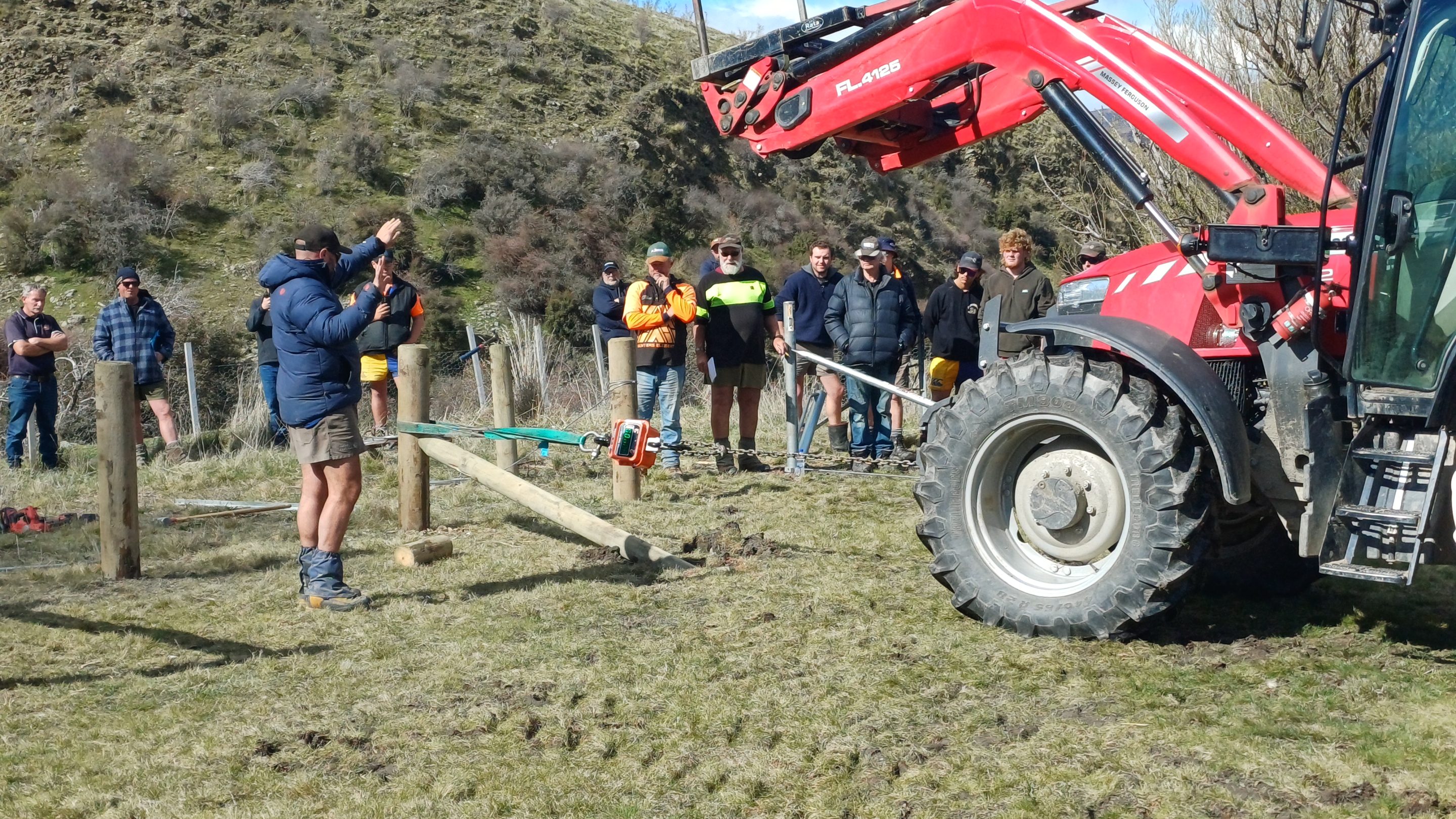
Through flagship events such as the annual conference and nationwide Fencing Best Practice Days, FCANZ offers members valuable opportunities to learn, connect, and grow. These events deliver hands-on insights into new techniques, health and safety, product performance, pricing strategies, and more – helping members stay ahead in a competitive industry.
Written by Jaime Bigwood

Published in WIRED issue 80/March 2026 by Fencing Contractors Association NZ
You may also like: Weather or not, we fence
Read WIRED online
Follow us on Facebook
© Fencing Contractors Association NZ (FCANZ)