Posted on

Strainers and stays by the thousands

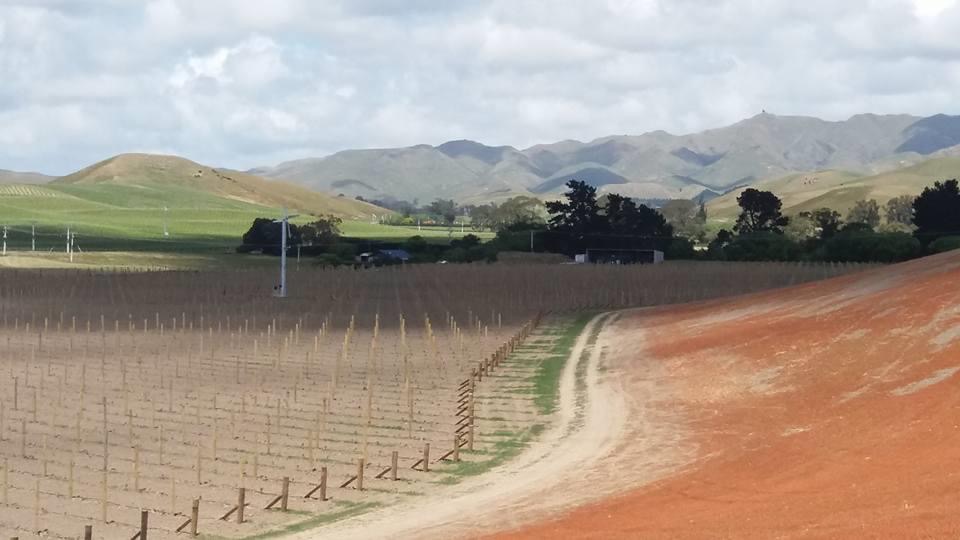
Marlborough has the reputation of being the biggest wine-growing province in New Zealand and is fast running out of land to put grapes. The big companies are buying all the plants and now there is a shortage of plants in New Zealand. Orders are already being taken for 2024.

2021 was a quiet year compared to others for Renner Fencing as we normally develop approximately between 200 to 250 Hectares in a season, which starts late August and finishes before Christmas. We can do up to 10,000 strainers and 120,000 intermediates plus around 7,000 stays in one season.

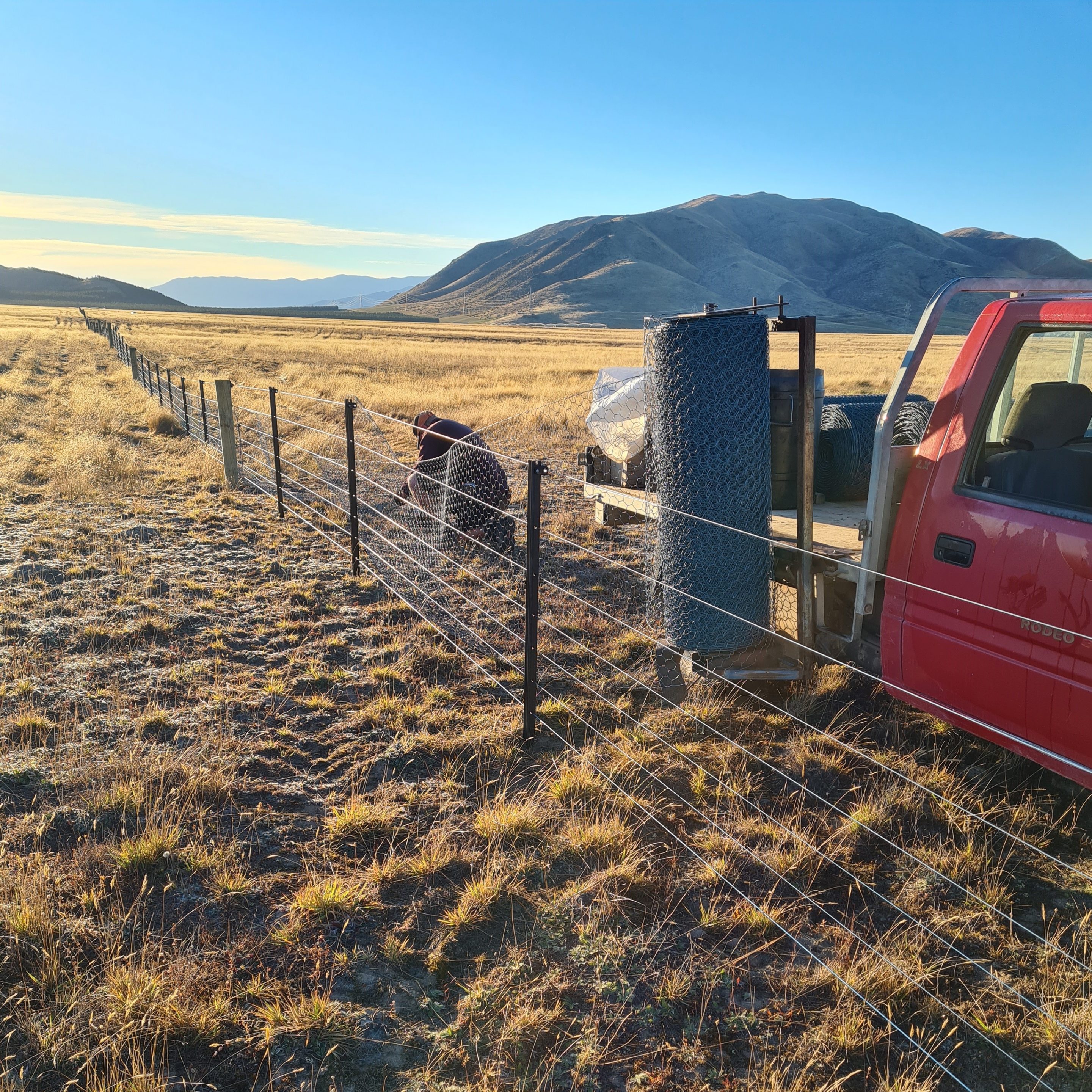
Vineyard fencing trellis rows are different from your normal fencing standard practice. It starts with a digger in most cases ripping the GPS line for your vineyard rows, anywhere between 600mm to 900mm deep depending on plant type and intermediates the client wants to use. Plants are spaced out evenly 1.8m and are most commonly machine planted. The ones that are hand planted are done earlier in the season and are normally small blocks.

Posts are 7.2m apart down the trellis row and the trellis rows can be as close as 2m apart but normally anywhere from to 2.4m to 3m apart. Intermediate posts are all types in Marlborough with plastic future posts coming freshly on the scene but the most favoured is the half-round wood and eco trellis steel post a close second.


VINEYARD DEVELOPMENT

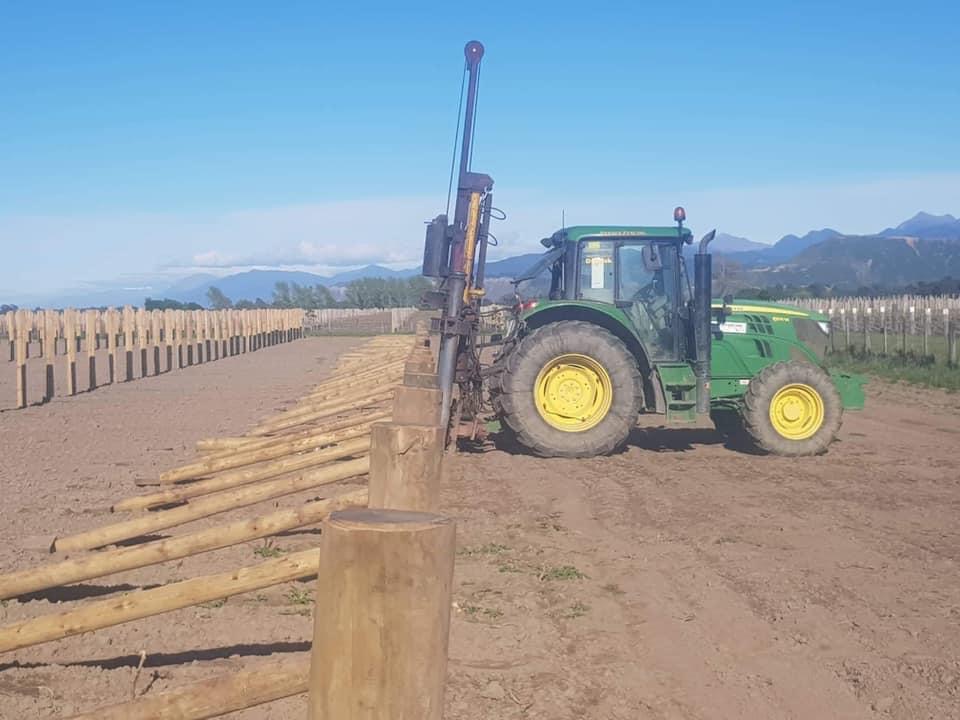
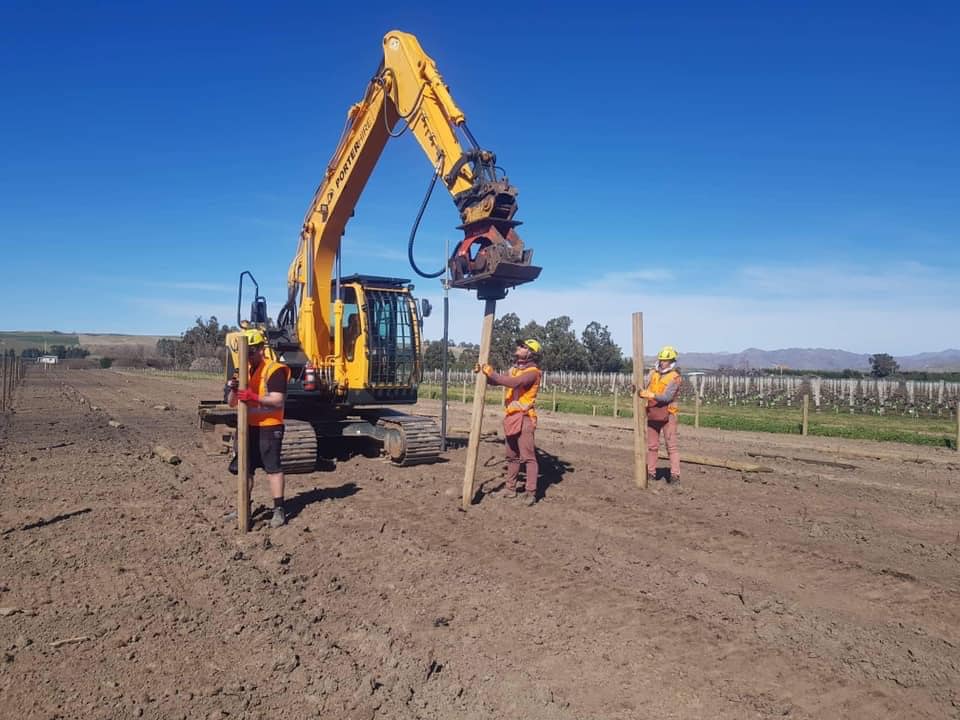
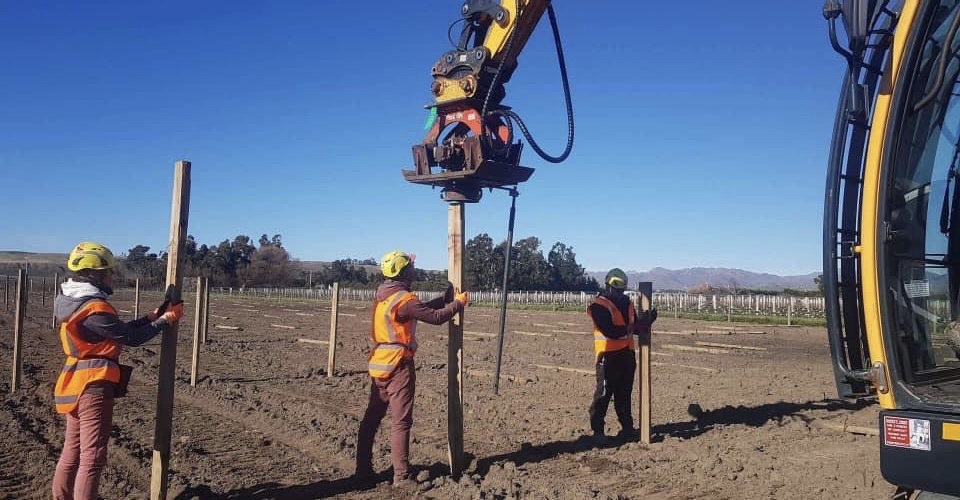
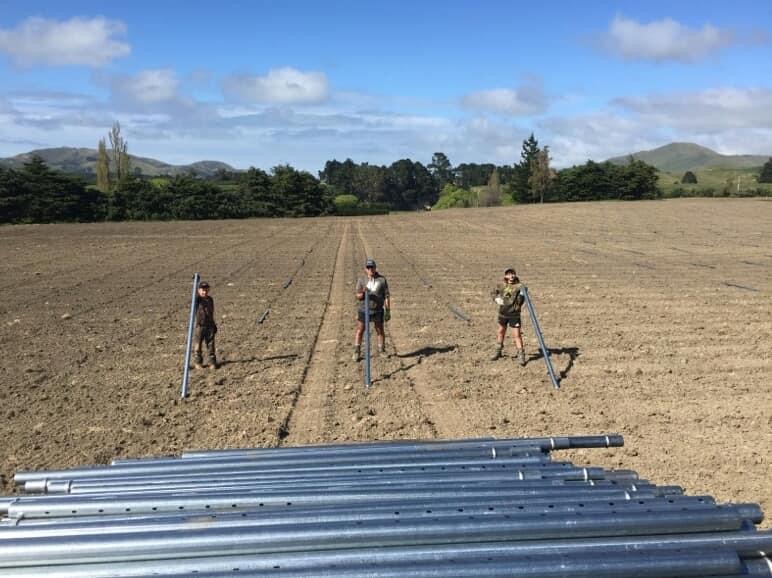
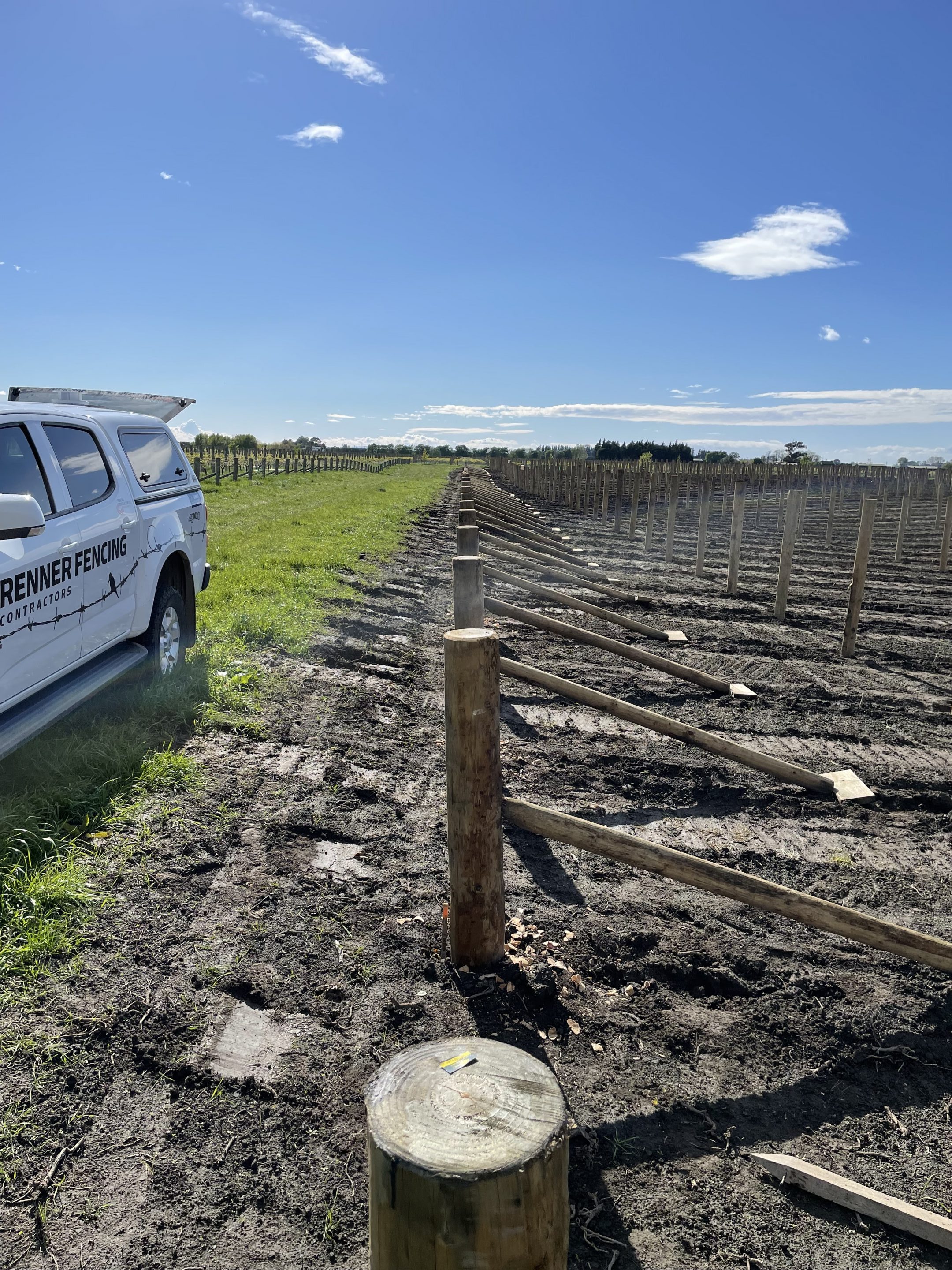
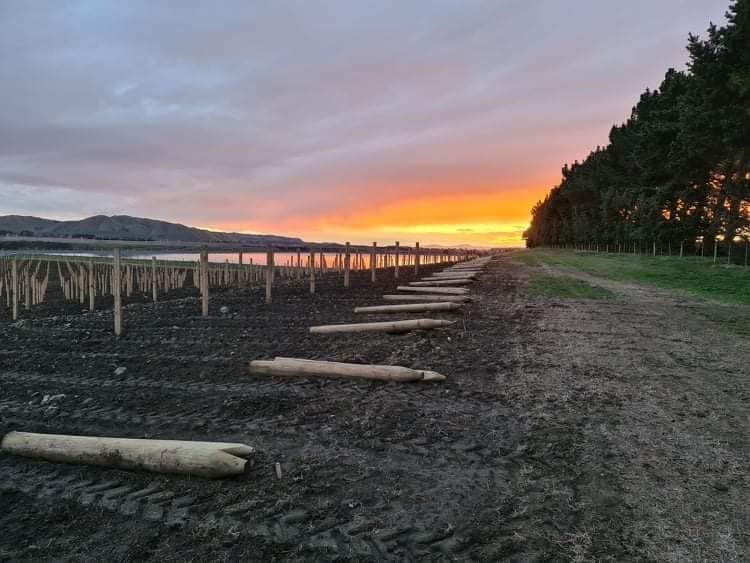
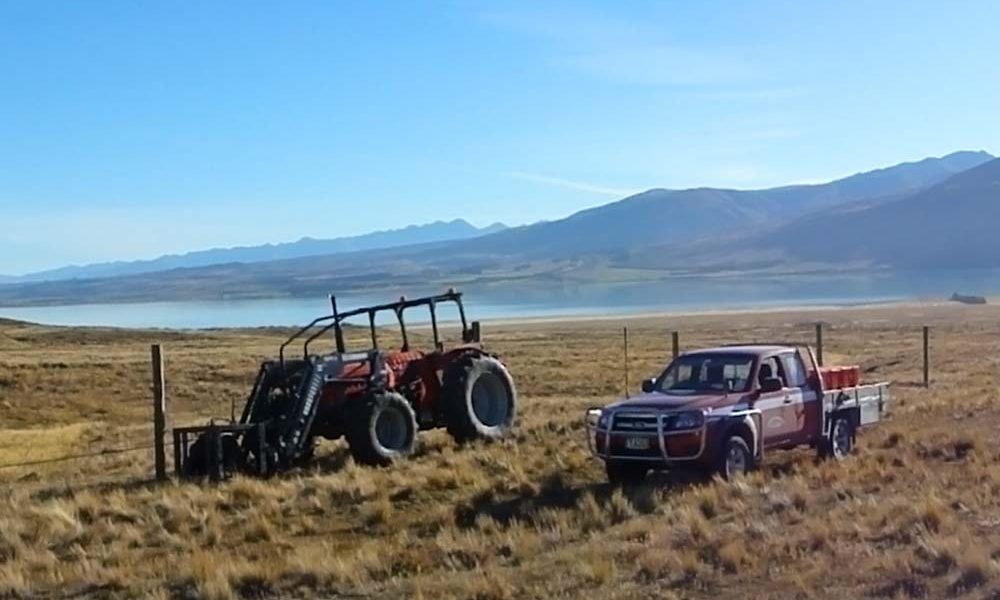
Renner Fencing comes on the scene first in the vineyard development season, laying-out posts with the help of overseas workers. These guys work hard and can lay out up to 7000 intermediates in one day, they also lay out the strainers, stays and stay blocks. The 15 Tonne digger is next on the scene with three men to help us out lifting the posts and putting them in place – which is normally marked out with a popsicle stick or a rip line marking the exact place for intermediate to go.

We do 3 rows at once with the digger straddling the middle row. It takes a couple of days for the crew to get into the groove of vineyard fencing but by the week’s end they can be hitting around 2,000 a day.


STRAINER DRIVING

Next job is the strainer driving at the end of each row. Strainers are survey-marked with a little wooden peg. Wooden strainers are far the most favoured here in Marlborough, the strainers are 2.4m/175 (or number ones as you call them up north). Strainers are driven 1200mm in, 1200mm out.

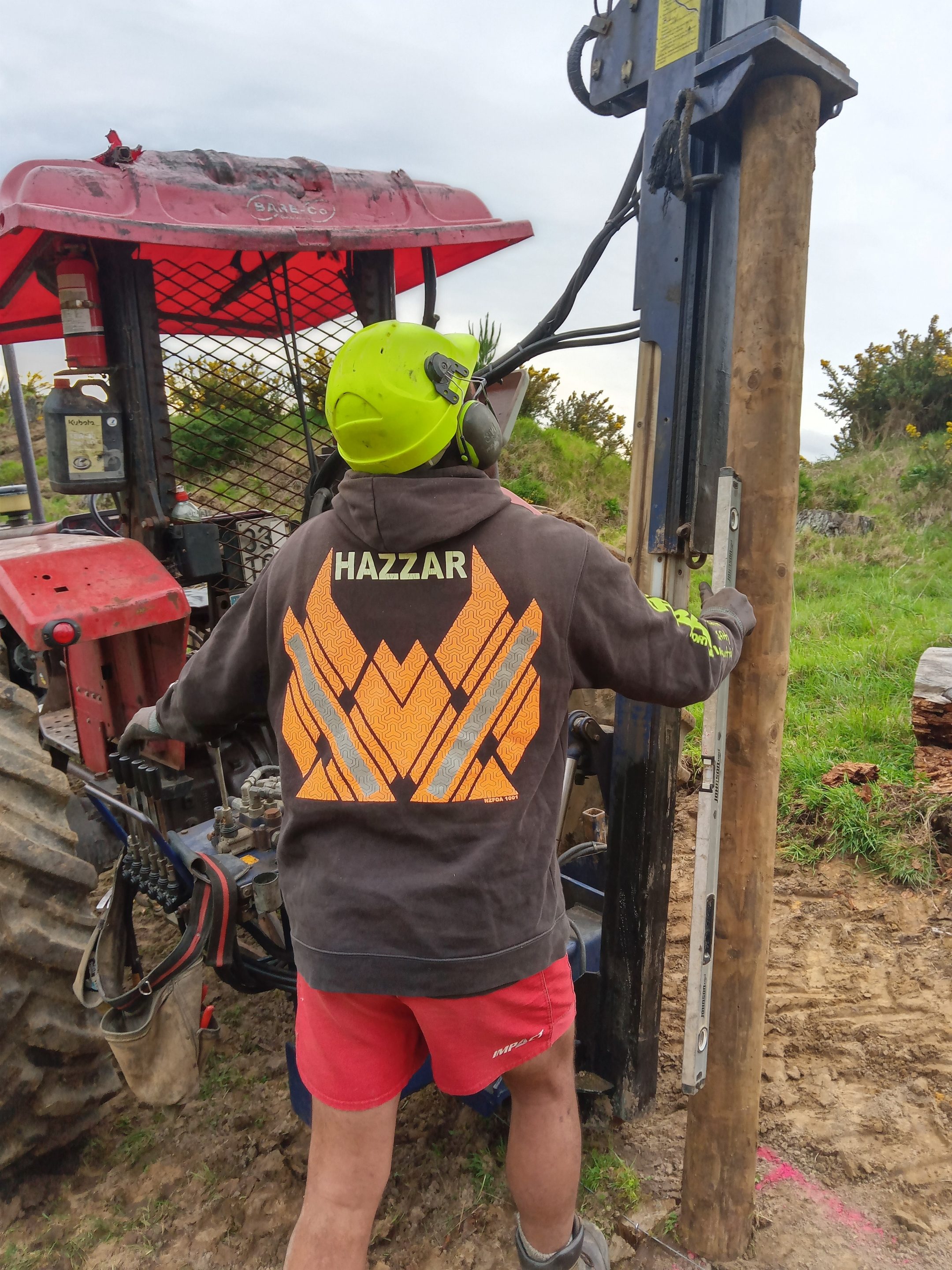
Our trusty Taege Post Drivers work hard but get a hammering and depending on the ground can do as low as 40 per day if the ground is hard and over 200 if it’s good going. This takes two men; one on the Post Driver and the other backing into each strainer peg and in between chamfering each strainer with a chainsaw and boring a stay hole with a 65mm boring bit, not mortest square.

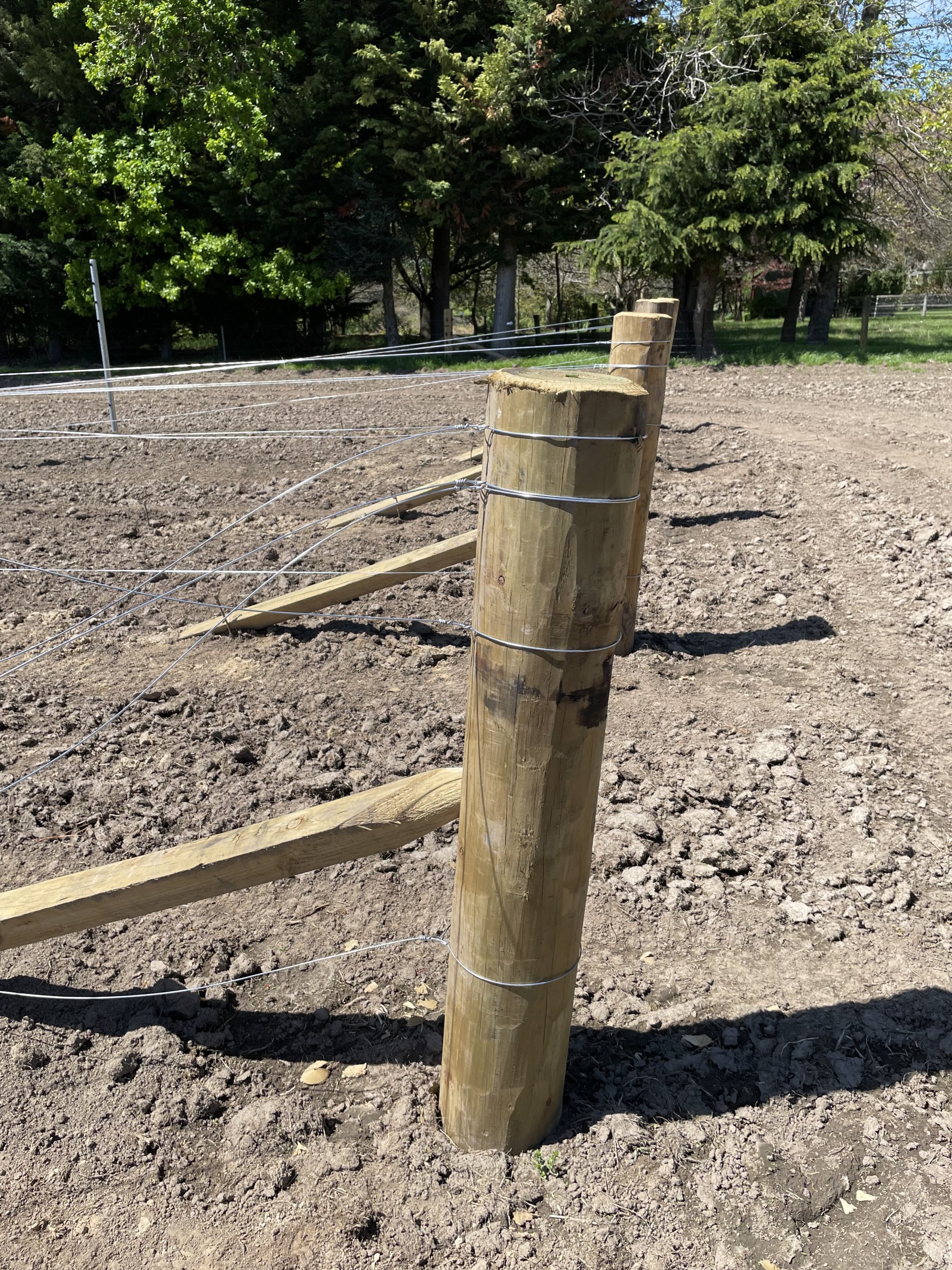
The stays have been done for a long time now with a round stay hole and don’t fail if done properly. Stay hole conventional height is the same as a fence – just above kneecap height or just over halfway down the 2.4m strainer – the 2.4m stays point end goes neat and tight into the hole.

Positioning the stay block hard up against the end of the stay on the ground ready for the digger to dig the stay in, the stay block is used to get the exact position of the back wall which allows the placing of the digger bucket gently against the stay block. The stay block goes vertical so when they cultivate in between the rows they don’t hit the stay blocks.

We had a guy that is now retired that could do up to 600 stays in a day, you imagine trying to square mortise stay holes in front of him.


WIRE AND IRRIGATION

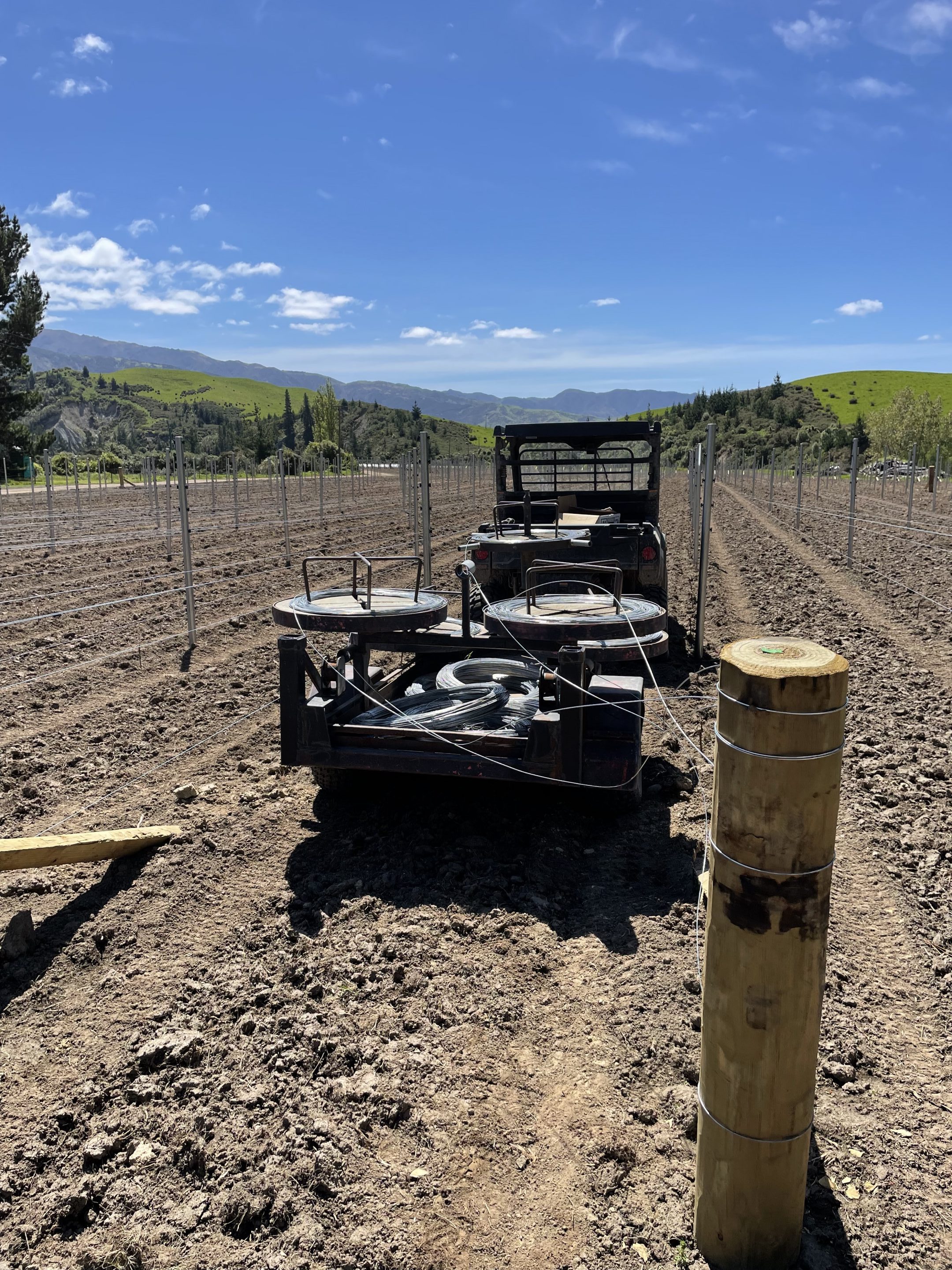
Now the vineyard block is ready for the wires and irrigation to be run. There are 7 wires on average: one for the irrigation to fruiting wires and four lifting wires. The wires are run out with a quad bike or side-by-side and a wire trailer towed behind that can run up to 5 wires at a time. Wire tension is around 150 gauge for the fruiting and irrigation wires and the four lifting wires I normally 100 gauge. The reason for this is they get shifted up and down the intermediate depending on the season.

The weight of the wires on a vineyard strainer are all at the top – with only the one wire below the stay, which is the irrigation wire. Fruiting wires are around 900mm to 1m high above the ground and the lifting wires are close to the top of the strainer putting more pressure above the stay.

Triplex strainers are used mainly on the lifting wire so they can change the tension when lifting in place around this time of the year. When development is in full swing, we still have two to three fencing crews going which keeps me extremely busy – organising the development crews and fencing crews, having up to 15 people on the books when normally it is only 7 or 8.

Marlborough has definitely changed over the years gone by. Renner Fencing has had to diversify to keep up with the demand of the changing landscape.


Article supplied by:www.rennerfencing.co.nz

Published in WIRED December 2021 by Fencing Contractors NZ


Read WIRED online

Follow us on Facebook


© Fencing Contractors Association NZ (FCANZ)

Posted on

Construction by numbers

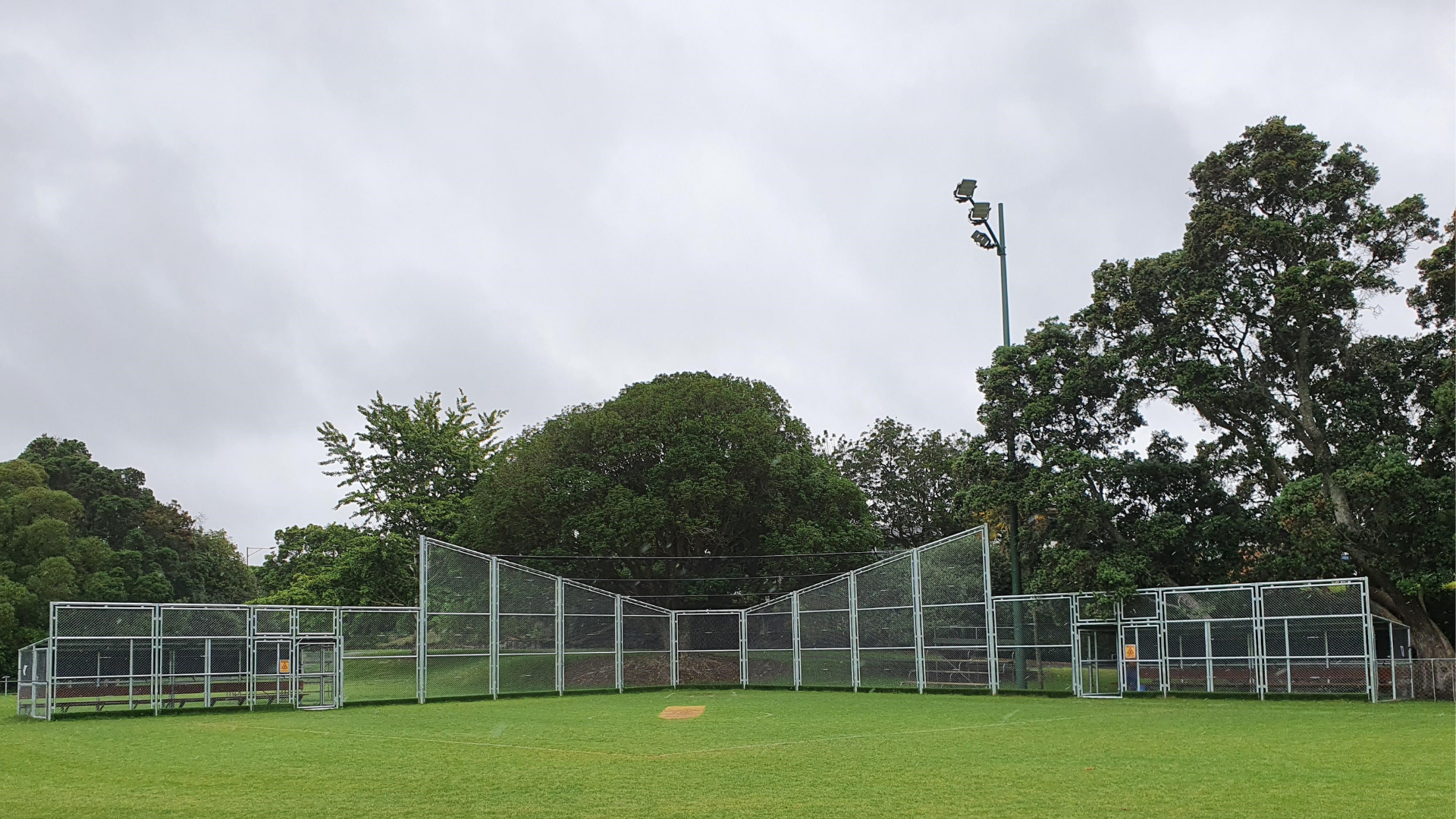
Barakat Contractors Limited (BCL) were approached to complete a challenging project at the beginning of 2020. It was essentially a complicated construction by numbers activity.

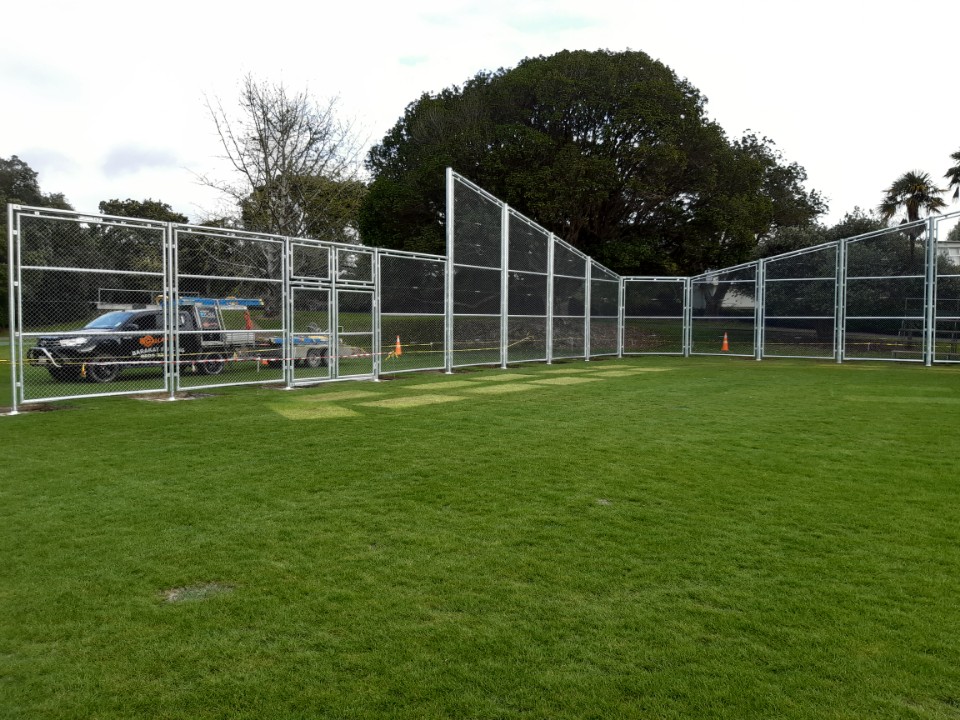
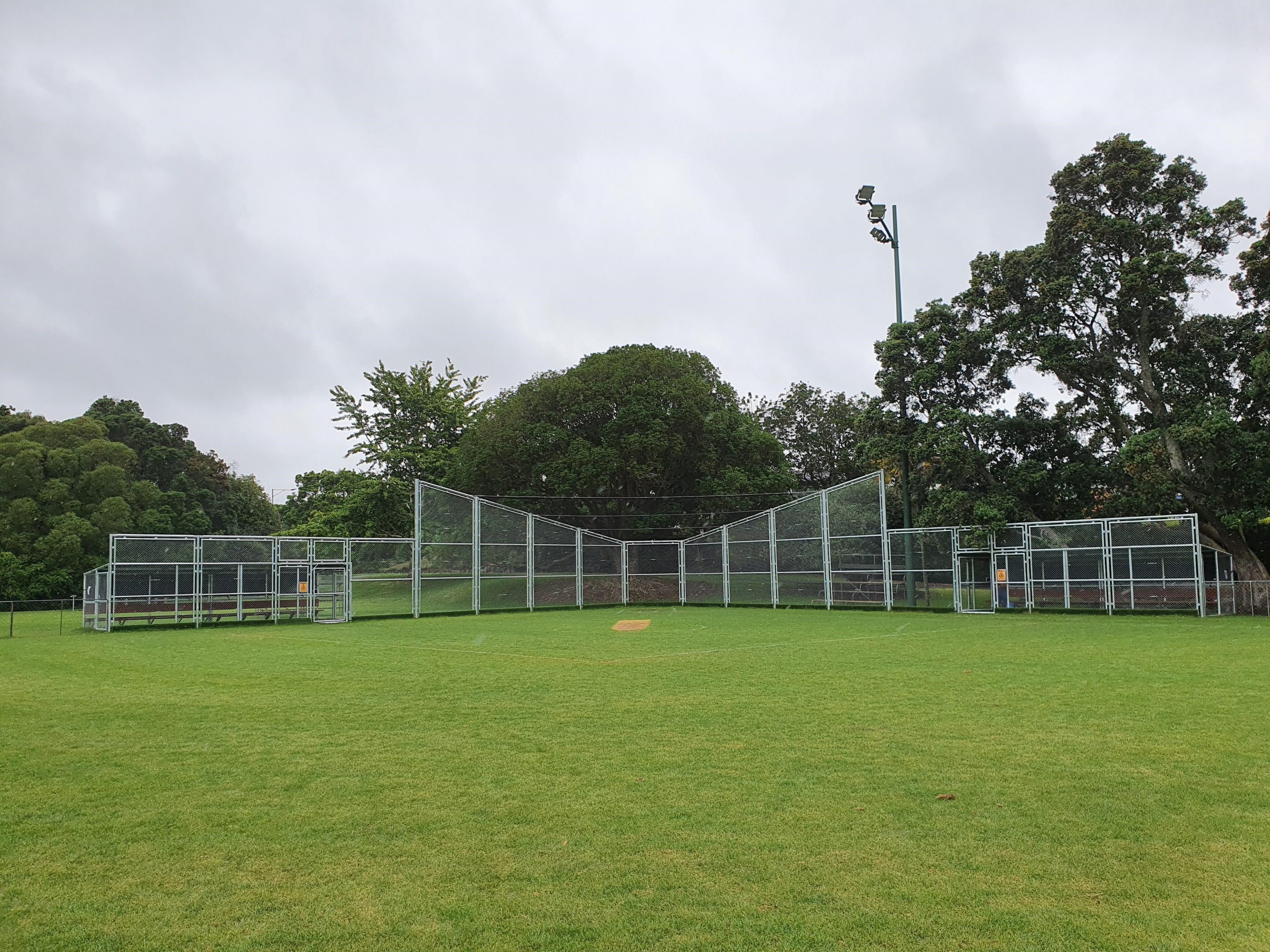
The scope of the project was to construct a baseball structure at Fowlds Park, Auckland for Auckland Council. It was essential that it could be assembled and dissembled annually to coincide with the seasonal sport as the area of construction is also used as a rugby field.

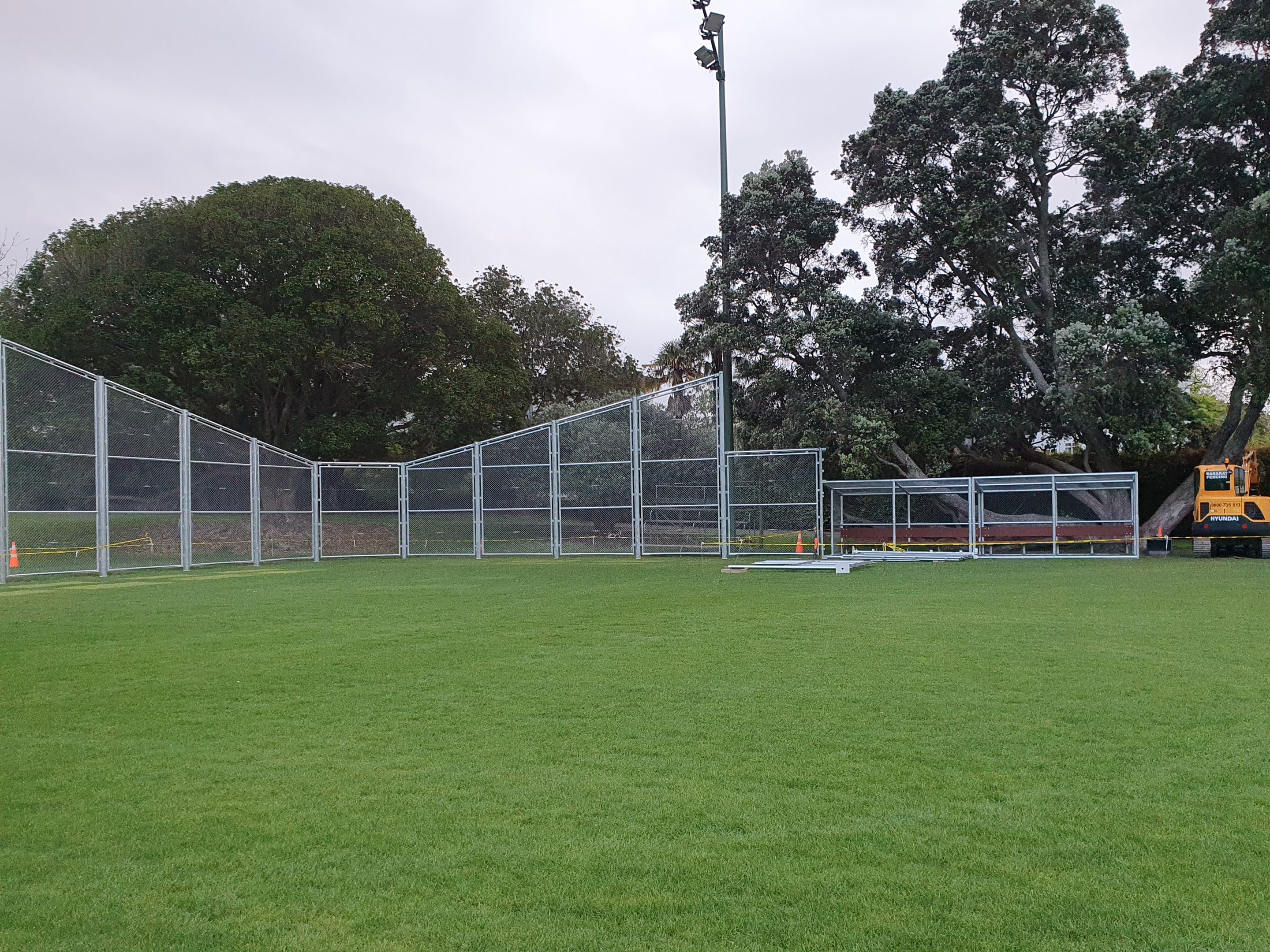
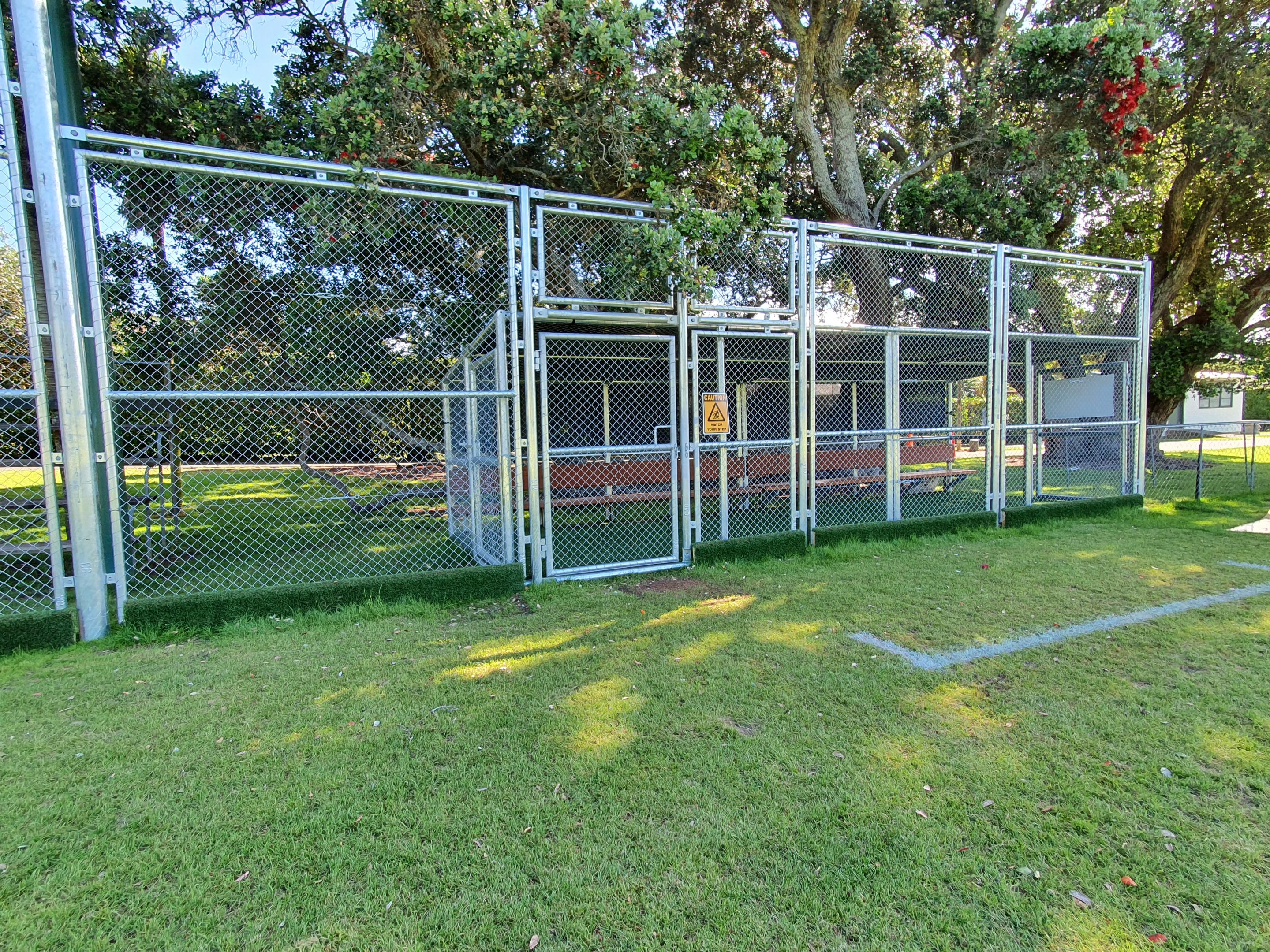
Architectural concept drawings were provided to BCL from Auckland Council, outlining the structural requirements. BCL engaged JP Marshall Engineering to provide the engineer design drawings. BCL was already committed to other projects and with tight time frames, BCL made the decision to outsource the steel fabrication to JP Marshall Engineering as well. Steel fabrication comprises columns, panels and dugouts. The structure at its highest point is 6 meters with a total length of 51 meters, along with 3-meter wide x 9 meter long dugouts that sit behind the panels at each end. Design and Fabrication work took approximately four months to complete.

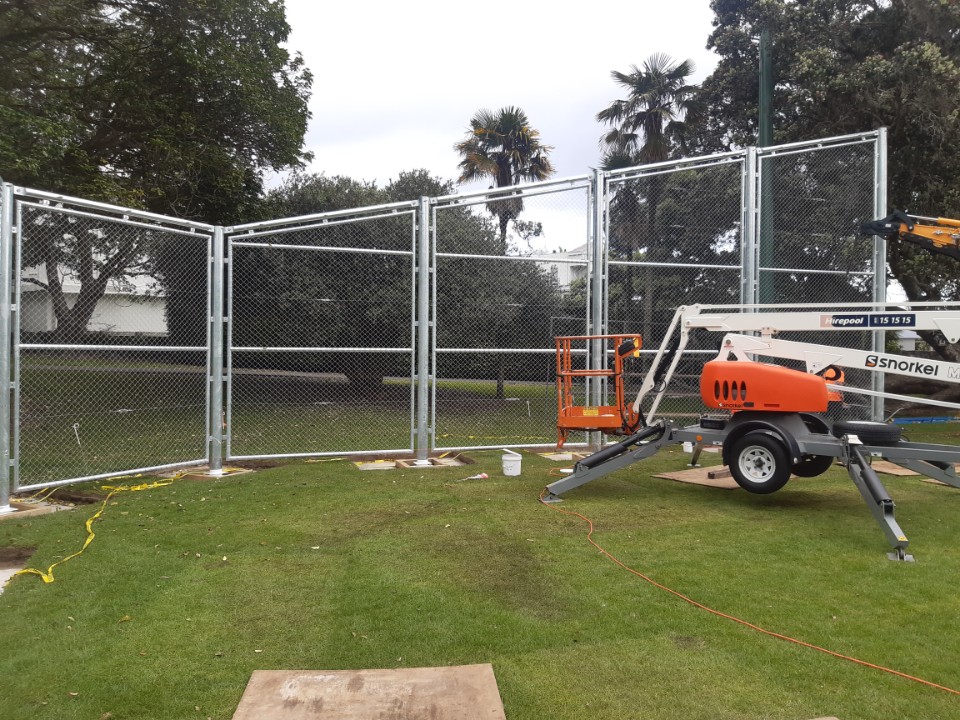
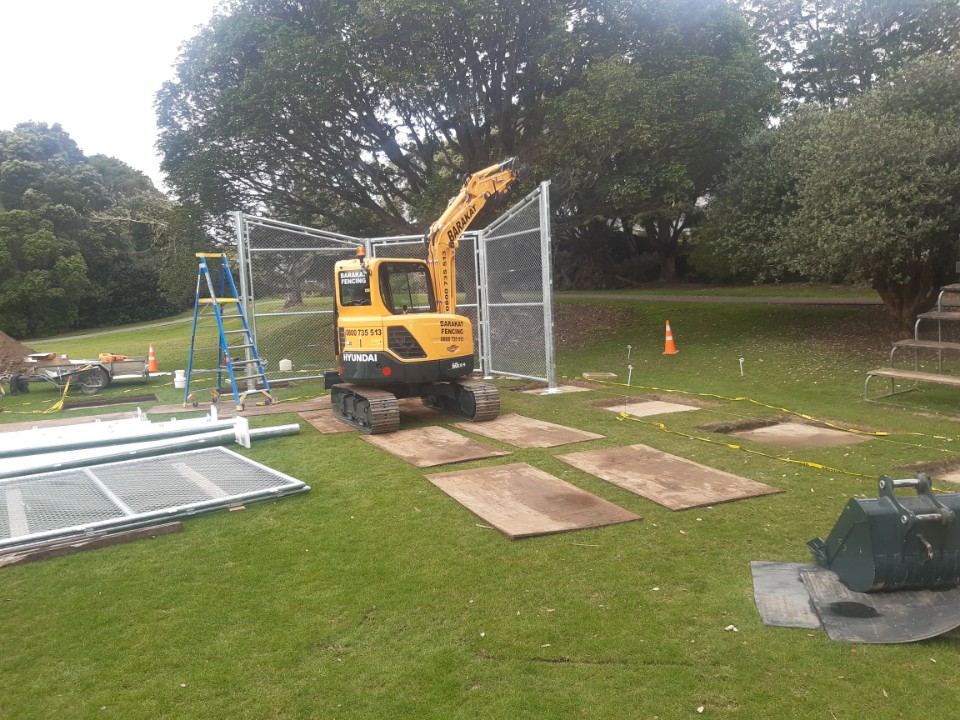
In August, the galvanised steel frame arrived at the BCL yard ready to be clad with chainlink netting. Timber seating was fixed inside the dugout frames. In October 2020 our team arrived on-site to complete the initial installation. Six truckloads of materials were delivered to the site. Using our 6-tonne excavator, Bryce our experienced operator was tasked with managing the installation. Due to the turf (artificial grass under pitch grass), extreme care was crucial. During the initial installation, plywood was used to limit damage from machine movement on the turf.

Each piece of the frame is identified using a letter/numeric system – a construction by numbers and is fixed to a subsurface concrete plinth – 18 in total – the largest plinth being 544mm by 420mm. These plinths are covered with turf after installation so not exposed to players during use.

Whilst a great achievement for BCL and its team this was not without its challenges. Due to the height of the structure, it was not an easy undertaking. BCL didn’t think we would be using our recently purchased 6-tonne excavator to install a baseball structure. Another challenging aspect was the coordination and planning of all parties involved to ensure a well-planned construction, along with ensuring the safety of all involved, staff and public.

During construction, BCL didn’t think we would be returning to disassemble and assemble the baseball structure again, but we are! This gave BCL the opportunity to make improvements from lessons learnt during the initial construction mainly with machinery. BCL has changed from a scissor lift to an all-terrain boom lift. We are now using a telehandler that enables the lifting of both the framing and dugouts for seasonal storage e.g., dugouts are stored at Fowlds Park and all Columns and Panels are stored at AIM Services’ Henderson Depot. Rubber turf mats have replaced plywood to further minimise potential damage to the turf.

BCL’s digger returns twice a year as the best piece of equipment for lifting and holding the steel columns in place when fixing to the inground concrete plinths.  BCL is extremely proud of the work completed, a fantastic effort and collaboration from our team and our client AIM Services.

Article supplied by:www.barakatcontractors.co.nz

Published in WIRED December 2021 by Fencing Contractors NZ

Read WIRED online

Follow us on Facebook


© Fencing Contractors Association NZ (FCANZ)

Posted on

The origins of the Fencing Contractors Association

Debbie White blows dust off the archives and takes a look into the origins of FCANZ.

Time passes quickly, memories fade and people disappear. Even though I had an understanding of the origins of the Association I went digging through some archives, both written and through recounts of some of the people who were there.

One thing is pretty evident, the company we now know as Pacific Steel with its WIREMARK® brand of wire was there before the start, under its names of NZ Wire, Wiremakers, and in more recent times NZ Wire/ WIREMARK. It’s also widely accepted that this company who has backed the New Zealand Fencing industry for the past 50 odd years provided the impetus to get an association formed.

Back in the early 1980’s NZ Wire industries, in association with Hurricane Wire products, Cyclone – CMI, Armour Industries and Anchor Fence put out a newsletter “The Fencer”.

Interestingly the following was in issue 2 December 1981,

A Masters Fencer Association is one idea a fencer has put forward with the idea of “raising and maintaining the standard of fencers” and to help limit the number of “spare time fencers” (rather than part or full time contractors) who sometimes tender for contracts at prices sufficient to only keep themselves in “booze and petrol”. The spare – time fencer is, the writer suggests, a person who does not consider fencing as his occupation but only as a sideline. The practical difficulties in setting up an association with these objectives would likely be enormous but no doubt this topic is one which will generate considerable interest.

Around 1986/87 the Master Fencer was launched, it was to give fencers a qualification outside of the Golden Pliers, according to Nick Liefting. The New Zealand Agricultural Engineering Institute with practical input from fencer Frank Prince wrote the course documents and it was presented and backed by NZ Wire industries. The idea was course assessors in every district. Unfortunately a major downturn in the rural industry meant momentum was lost. Cyclone to the best of our knowledge still owns the rights to the Master Fencer.

The next known period that can be accountable as some form of structure and communications within the industry was in the early 2000’s.

After the fencing competition heats at Fieldays a fencers meeting was held and two fencer representatives were nominated to attend and represent the fencer’s viewpoint to the Fieldays fencing committee. This was as near of a get together that the industry had. Remembering the NZ Wire Industries newsletters, Representatives Nick Liefting and Wayne Newdick started discussing amongst themselves and a few others the idea of putting out a newsletter to the industry. George Schuler offered to come on board and a 1 page newsletter, with a subscription form named the “Fencer” was put out on September 2001 to gain subscribers. A meeting was held with the three at the Glenview motel in July 2002 and the idea of an association was thrown around, along with how to manage the task of producing a quarterly newsletter.

It was quickly realised that support from commercial partners were needed and Pacific Wire were the obvious choice, it helped greatly that they were responsive, supportive and enthusiastic allowing the concept to start gaining traction. A roundwood partner was also sought, being the two main components of any rural fence and Goldpine Industries came on board once the Association had been formed.

August 15th 2003 a meeting with Pacific Wire and “Key Industry players” Jim Erickson, Nick Liefting, Rob Best, George Schuler, Pacific Wires general marketing manager Bruce Blundell, marketing assistant Donna Mackay and key account manager Warren Grayson, held a meeting at Pacific Steel to try and nut out how best to work together to promote the association and fencers.

The first Fencing Association meeting was held May 13th 2004 in Hamilton and Rob Best, Nick Liefting, Kelvin Strong, Wayne Newdick, and Donna Mackay were present. George Schuler and Simon Fuller were recorded as apologies and the Agenda included deadlines for setting up the Association in relation to rules/subscriptions/benefits. Simon Fuller was nominated Chairman at the next meeting in June.

The first WIRED 4 page newsletter issue was put out in June 2004, it stated,

The objectives of the Association were to be as follows, but certainly not limited to

  1. Lift the profile of fencers and fencing in NZ.
  2. Improve the quality and standard of fencing in NZ
  3. Provide access to training and business skill training
  4. Networking and a way to vent and share ideas with peers
  5. Grow the market for fencing contractors

The benefits of joining the Association would be

  1. Provide a marketing tool for you and your business
  2. Information sharing and up skilling
  3. A form of recognition and professional body overseeing the promotion of fencing and fencers.

In order to secure a training provider George Schuler who worked for Ag ITO helped facilitate Taratahi as training providers for the delivery of the NZQA National Certificate in Fencing, as it was the only qualification to the industry. Lance Hare headed the training programme and joined the committee.

I went to a meeting to help with the first conference and quickly found myself on the committee. I then went on to take the WIRED newsletter, which was 8 pages and compiled by Donna Mackay and turned it into an industry magazine, obtaining sponsorship for its printing costs from WIREMARK and developing the advertising outline.

Over the years we have seen many fencers join and move through the Association, the committee became a Board, the conferences were taken over by John Noakes after successful early conferences at Rotorua and Makoura Lodge in the Manawatu and they have become a leading networking opportunity for both Sponsors and Fencers. Association days have gathered momentum in their attendance around the country.

While there is much progress to be made and new members sought and retained, we should remember that we are fortunate to have those who have gone before us, who had the foresight to form an association to represent the fencing industry and provide unity. I do not know of any other country whose fencing industry is this structured and progressed as ours.

by Debbie White

One of the first FCANZ conferences, held at Makoura Lodge, Manawatu.


Read WIRED online

Follow us on Facebook

© Fencing Contractors Association NZ (FCANZ)

Posted on

A fresh strong brand…

Melanie Weir interviewed members of the Board to give you the answers on the brand refresh. Read on to understand why?

So Brad why are we changing the brand?

I think this comes down to three main reasons,  we needed to strengthen and modernise the brand, we need to clarify the logo, so that it easily communicates what the Association does, much like Master Builders or Certified Builders brands. And we need to move the brand from rural centric design, to represent all sectors of the fencing trade.

And who’s idea was it to make these changes?

The 2018 Board unanimously decided that alongside the refreshed strategic direction and growth of the Association, it was time to review the messaging, value and strength of the brand.

Was a change needed?

If we want to keep expanding our reach to parts of the fencing trade other than rural, we will need to ensure our brand encompasses all areas for the trade.

And Andy who was consulted about these changes?

The Board became the panel of members, a focus group, who connected on logic, design and value of the brand and we tested designs with expert support. We have had previous feedback from the general public experiencing the brand which included points like a lack of clarity, ‘who is FCANZ’ ‘what do you do’ ‘is it New Zealand something?’, what does ‘FCANZ’ stand for?

And what’s the cost?

There will be a cost for members to add the new logo to their advertising over time, though we hope this will not be too significant. Fencing Contractors New Zealand will support members with some merchandise including signage for their vehicle.

Bronze Partner, Kerry Godinet Marketing will support members with rebranding and merchandise.

And Darryn, who pays for the rebrand?

The Association, with support from our Partners pay for the Association branding. Members will need to pay for the rebrand of items they feel appropriate for their business.

How will this benefit Fencing Contractors New Zealand

We know that increased brand recognition will support increased recognition of Fencing Contractors  as a proactive group in the fencing trade. And as a group we, Partners and Members, collectively support the trade

When you see strong brands, like New Zealand Certified Builders, you can understand how a brand can benefit  members with stronger professional recognition and increase the value clients place in their expertise.

Also as growth in membership continues, Partners are attracted to collaborate, engage and bring benefits to members – everyone wins!

And John how will this benefit a fencing business?

General and certified members (certified is the new name for accredited) will experience increased recognition by aligning with a strong national association brand.

A connection to Fencing Contractors New Zealand publicly recognised brand, which represents professionalism and expertise in fencing, will benefit your business, as consumers choose you over others due to this affiliation.

Member benefits are increasing and will continue to do so as the Association grows and more Partners come onboard.

Greg why have you dropped Association from the brand name?

We are still legally named Fencing Contractors Association New Zealand, and much like other large associations, our trading name is simplified. Most people recognised us as a group and therefore it is already implied we are a national association, and by removing this word we simplify the logo.

Greg, didn’t it get changed not that long ago? How long will this Logo last this time?

Yes the logo was updated in 2014. The current Board anticipate this logo will be well received, and maintained for many years to come by future Boards.

Stephen, why orange and not blue in the Certified Fencer logo? Is the orange going to get lost in when wearing hi vis?

Orange was chosen as a stronger colour, to stand out and highlight Certified Fencers logo visually.

There is a full style guide which outlines how to use the new logo, font and colour schemes within the brand. Included is an easy option for use on hi vis gear. We have retained the blue colour, this is included in the brand guidelines.

So Laura where did FCANZ go?

We learnt that FCANZ, was not meaningful for clients or people who were not involved with the Association now, it created an acronym that does not clearly describe what we do.

We are still legally trading as the Fencing Contractors Association New Zealand, and have refined the brand to a stronger clear logo.

Fencing Contractors New Zealand used in the logo still implies a professional industry group.

What if we have just got new clothing? Can we still wear them with the old logo? Will there be any compensation for the new logo set up at the embroiderers?

We have organised a 10% discount for members if they use Bronze Partner Kerry Godinet Marketing for ordering new gear, this is also available via the online store at fencingcontractors.co.nz.

Brad, what’s the difference between Accredited and Certified?

We have a new process for Certified Fencer status, this will be launched shortly at the 2019 Conference and AGM.

The new name for these top performing members takes advantage of the common knowledge clients and potential clients have relating to other trade recognised businesses like Certified Plumbers, or Certified Builders.

This term allows our members the advantage of immediate recognition and a stamp of high quality which provides an advantage over other practitioners.

The Association will shortly begin a campaign to promote Certified Fencer status both internally with members, and externally in industry, local government and appropriate large business who need to procure expert trade services.

If you have more questions about the new brand connect with the Board team.


Read WIRED online

Follow us on Facebook


© Fencing Contractors Association NZ (FCANZ)

Posted on

Five simple ways to find new staff

Business Coach Daniel Fitzpatrick talks about five simple ways to find new staff.

Most tradies say the same thing: it’s hard to find good staff. MTA recently said there are 1,600 jobs throughout New Zealand that have not been filled. It’s a problem.

So if you have too much work, how do you find skilled staff to grow your business?

I believe that even in a shortage, there will always be good people who are looking for other opportunities. Here are my tips:


  1. Don’t wait. The time will never be just right.

The sooner you start looking, the more likely you are to find someone and be persistent. You may have difficult experience in employing the right person; one of my clients, a builder, had been actively looking for a salesman for many months. They finally found someone, three days later, he quit! They were disappointed.

Business owners decided to advertise again and found John, who has been a real star for them. He has consistently outsold other reps, and sales have gone through the roof. If they hadn’t kept advertising when they did, they wouldn’t have found him.


  1. If you pay peanuts, you get monkeys.

Good staff know what they are worth. Don’t worry; the good ones will always earn more than they cost.

If hiring someone at a higher rate means jobs will be done right, fewer callbacks and less stress, then you will free up time to grow your business, it’s worth it.

Also, consider what benefits you offer. Why would this job be more attractive than anything else out there? Are current employees happy with benefits? Ask them for feedback and new ideas.

It might be as simple as free breakfast once a week over a toolbox talk. The flexibility to leave early occasionally if the job is completed. Incentives when they meet targets. Or maybe it’s a generous tool allowance, latest iPhone or Samsung work phone, uniform, or company vehicle.


  1. Your vibe attracts your tribe.

 Look at the latest ads on Trade Me or Seek. Here’s the deal; if you want the great applicants, you have to have a great ad. Visualise the best team member you have on board right now. What exact ad would attract another just like them?

Put some personality into the ad and make the advert friendly, talk about what you offer and how you look after your staff. Make sure it reflects your vibe and how you operate.

What kind of company you want to be. How do you want your team to feel about you. What makes you unique? Are you about precision and high standards? An easygoing team that has a lot of fun? Serious about work/life balance? A growing professional level company that dominates your niche?

Also, make it easy for them to apply. Some people are not great with paperwork so a phone call might be better in some cases. Of course, if it’s an admin, sales or supervisor position, you will still want a proper CV.

  1. Think outside the box.

First, ask around. Some of your best hires will come from word of mouth. One way to quickly get the word out is to set aside a couple of hours on a Friday afternoon. Shout pizza and get your team to message friends and post on social media. Use the time to reach out to your contacts and do the same.

If you’re trying to reach under 40’s, you’ll want to list your ad online. Trade Me or Seek is an excellent place to start. Also, post on your Facebook business page and in local groups.

What about taking on an apprentice as part of the plan? They take a bit of work in the beginning, but in a few years, they’ll be fully trained in your way of doing things.

Always field test applicants. Things to check are: Are they punctual? Can they think for themselves? Are they willing to learn? Can they follow instructions? Are they honest? Do they have attention to detail? Remember skills can be taught – hire for attitude.

Consider recruitment agencies. It might cost a bit more, but often they have a pool of workers ready to start now. It could be short term or long term, as long as you have a good margin on jobs and can afford to pay a bit extra, this can be a good option.

Depending on your trade and what you are looking for, some immigration and recruitment agencies are sourcing highly skilled overseas workers from places like South Africa or the UK. Talk with them, see what options are available.

An engineering firm I worked with had a staff of around 20 welders. Approximately half of these were hired from other countries. It worked for them, it might work for you.

  1. If you change the way you look at things, the things you look at will change.

I was speaking with a business owner recently who was looking for drivers. Their comment was “you just can’t get drivers.”  I know there are not many around. But to say you can’t find drivers ever? That’s going to trip you up.

We talked it through, made the job ad more appealing, got interview questions ready, and threw the dice. A few weeks later they’d been receiving much better quality applications. The guy they hired told them in the interview “I kept going back to your ad. I just couldn’t go past it. I really want to work for a company like yours. So here I am.”

I think the bottom line is this: if you have the right hiring process, you can still find excellent people, even in a difficult market. Go for it. You might be surprised who you find. And it could be the next gamechanger for your business and your sanity.

Want help to grow your business and your profits to the next level? Book a complimentary online call with me here nextleveltradie.co.nz


Daniel Fitzpatrick

Business  Coach

Next Level Tradie

Read WIRED online

Follow us on Facebook


© Fencing Contractors Association NZ (FCANZ)

Posted on

Posts got you turning green?

The current supply of posts available out there appears to be a lot greener and wetter than usual. With the Health and Safety at Work Act 2015, not even the Hulk can get away with carrying posts around by himself.

All joking aside, it is probably a good reminder about using proper manual handling techniques.

Manual handling is when someone; carries, holds, moves or manipulates something, in any way, as part of their work.  Some workers do a wide variety of manual handling tasks.  The tasks involve using force, repetitive movements, stooping, static and awkward postures, frequent bending and twisting at the waist, and handling heavy objects.  These can cause several problems, including; serious back injuries, musculoskeletal disorders, including occupational overuse syndromes, acute injuries, like muscle or tendon sprains and strains, injuries from slips, trips and falls.

The main issue with lifting and carrying these posts is the sheer weight involved.

Handling heavy objects needs a lot of strength. This means tissues and joints in the back, knees, arms and shoulders are overloaded. A lighter weight held away from the body needs the same effort to handle as a heavy one held close. Jerking or moving a load quickly uses more force than just carrying the load. No one can set out specific weight limits (because manual handling is a complex process involving a lot of different risks), but the more weight or force needed, the more likely it is someone will be hurt.

Key points for preventing manual handling injuries when lifting and carrying heavy posts

  • Workers must be trained in correct techniques for manual handling jobs
  • (Re)design the workplace to minimise manual handling hazards
  • No one should lift something that is too heavy for them
  • Warm up before lifting and stretch regularly
  • Lift with the legs, not the back
  • Use mechanical/lifting aids where possible
  • Plan regular breaks and rotate jobs

The other issue with these posts is being wet, is that it exposes everyone handling the posts to tanalising chemicals. The immediate effects of this exposure can be skin irritations or rashes and illness. Over a longer period of exposure, the effects can be more serious long-term health issues such as cancer.

Key points for preventing exposure to tantalising chemicals from wet posts

  • Take particular care when the post has crystalline chemical deposits on it.
  • Wear long sleeve shirts when handling posts.
  • Wash your hands before eating, drinking or smoking.
  • Wash exposed areas of your body after working with tantalised
  • Wash work clothes separately from other clothes.

Finally, talk to your post supplier and don’t settle for posts that aren’t up to standard, it is you and your team that are being put at risk with the manual handling and exposure hazards that these wet posts present. Paying a higher price for good posts may seem a small price to pay when compared to injuries, sickness, long-term illnesses or fines for not appropriately managing this hazard.

Stay safe out there guys.

The Rural Safe Team

Read WIRED online

Follow us on Facebook


© Fencing Contractors Association NZ (FCANZ)
Posted on

Dashboard Fence App finds fault sooner

Farmers can now have peace of mind their electric fence systems are functioning and stock are where they should be, thanks to Gallagher’s Dashboard Fence App.

The smart Gallagher app, and equally smart electronics mean all Gallagher i Series Energizers can provide regular updates on an electric fence’s status, alerting users to any faults or problems and even providing an approximate fault location when used with Gallagher Fence Monitors.

Connecting a small WiFi Gateway box to the Gallagher Energizer enables it to connect to the internet via a WiFi connection.  If WiFi is not available a cellular connection supplied by an internet service provider can be used to provide connectivity.

“Once you open the app you can view voltage, current and set alerts for the Energizer and up to six fence zones around the farm,” says Gallagher Product Manager Brian Rose.

The alert system will identify if there are any faults in the system and which zone they are located in. The graphics give a clear picture of the system’s performance over time, whether daily, weekly or monthly.

“For intensive grazing operators, or farmers who have crops being regularly grazed under strict quantities per animal per day, Dashboard Fence is invaluable for ensuring that any failures in the fence are known about as soon as possible.

“It is peace of mind knowing your system is working and a lot of time is saved by knowing you have a fault, and being able to track it down quickly through the app.”

“There is nothing worse than only finding out the fence has failed when your livestock are running down the road in the dark, he says”

The Dashboard Fence App was launched at Fieldays and is now available for purchase.


Read WIRED online

Follow us on Facebook


© Fencing Contractors Association NZ (FCANZ)
Posted on

NZ fencers build USA connections

It seems no matter where you are in the world, the fencing competition scene seems to bring together like-minded, hard-working, salt-of-the-earth people; always willing to share knowledge, banter and a beer or two, even if you only just met on the fence line.

It is these connections that are being developed through the international competition exchange programme developed by New Zealand Fencing Competitions (NZFC).

En-route to East Coast Fencing Rivalry

Jeff Joines & Tim Staffords’ win in the 2025 Fieldays Silver Spades earnt them entry into the US Platinum Silver Strainers Doubles Championship held at the East Coast Fencing Rivalry (ECFR) in Galax, Virginia. The boys’ travel costs were kindly sponsored by NZFC, Fieldays, Cyclone, Revolution Postdrivers, Strainrite and FCANZ.
Naturally, the wives decided it was a trip we really couldn’t miss out on, so we tagged along for the adventure. Six weeks after their NZ win, the four of us touched down in the States.

Derrick Cox had organised a great bunch of exhibitors, showcasing their products on his property where the ECFR event was held. He wrangled the Kiwis to demonstrate some of their NZ fencing techniques, which naturally morphed into some fabulous discussions and reciprocated demonstrations by the Americans.

Day one saw the handwork competition – the one we had travelled halfway around the world for. The day began with the singing of the National Anthem at the judges’ briefing, which was a pretty special experience. Adjusting to the intense heat, humidity, altitude, and imperial measurements was a challenge, and having chosen not to bring any tools from home (they borrowed everything from Derrick) created another challenge for Tim and Jeff when they found their favourite hammer or cutters weren’t sitting on their hip, where they usually are.

Judges Briefing

Competition specifications were for a netting fence with barbed wire on top, and, like New Zealand, there was a time component to consider. Most of the pairs bored their line post holes, but Tim and Jeff chose to dig by hand, something they began to regret slightly when one competitor next to them passed out from heat and exertion. At this point, the NZ wifey support team threw extra bottles of water and electrolytes onto the NZ line; we were definitely not ready for the trip to end just there! In the end, the boys were the first team to finish, and they were pleased with their finished product.


Americans Deuce Brown & Dylan Herndon, NZ bound for Fieldays 2026

Prizegiving that afternoon saw them receive the winners’ trophy and belt buckle. Second place was American pair Deuce Brown and Dylan Herndon; which earnt them a place in the Fieldays Silver Spades Doubles Championship in June 2026, as part of the exchange programme.

For the Machine Post Driving competition the following day, Tony and Debbie White kindly provided a Revolution Swinga postdriver which they attached to a Bobcat skid steer loader (operated by remote control) for Jeff to use, and arranged for Tim to borrow another small Bobcat skid steer loader for laying the line. Neither of them had operated anything like these machines previously, so a brief test drive was required!

A big crowd watched on as the eight teams drove posts, ran netting out and strained up barbed wire. There was a fascinating mix of skid steer loaders with side mount rammers, tracked machines, vibrating rammers, and netting dispensers.

Judges had specified that any type of end assembly and angle brace could be utilised; they wanted to see tidy, consistent workmanship and a variety of techniques on display. This led to some discussion about the Kiwis’ in-line angled stays. Seeing as most people there mow their paddocks regularly, these are seen as an obstruction, so an H-brace, or in-line stay is more common.

Jeff, Derrick & Tim

Despite this, the judging team was pleased with the Kiwi’s overall fence and workmanship, as they were awarded 1st place, and were presented with another large trophy to contemplate getting home.

An additional competition was held towards the end of the day for any pairs who dared to take on the ‘Man Killer’ – a two-man manual post thumping challenge, ramming in two pointed posts to a pre-determined depth in the fastest time. Jeff paired up with our newly acquainted friend Mickey, and the two of them put on a winning performance, much to the delight and cheers of the gathered onlookers.

It was really great having a good number of Kiwis over there, with the four of us; Debbie White with NZFC and Tony (Revolution Postdrivers, a sponsor of the NZ team), Andrew Thoms (Cyclone, a sponsor of the NZ team), Warren and Jill Herlihy (Warren, judge), and Troy Knudsen (Fencequip, a sponsor of the ECFR event).

We caught up with American competitors who have been out to New Zealand in the past to compete at Fieldays – Ed Struna, Deuce Brown, Sebron Jessrup, Alex Masser, and Jason Day. It was truly great to reconnect with those guys on their home turf.

Derrick did a superb job of hosting us and provided us with great accommodation nearby. He has developed a fabulous event with a great vibe that is so well supported by so many folk; it is really exciting to see.

He also introduced us to his mob of Longhorn cattle, which he breeds for their horns. It’s quite cool to see them smoothly tilt their head sideways as they run through a 12ft gateway to avoid hitting the posts on their way through!

We chatted to an amazing array of people at the event, competitors and contractors from all over the US, all with different business structures, machinery and skills. They all made lasting impressions on us and made us feel like part of their fencing family.

In the days following the competition, we embarked on a road trip to visit some of these people in their hometowns. They took time from their busy workload to show us around their yards, their jobs, local attractions and their supply stores. It was time spent with these guys and their families that really was a highlight for us all. Cyclone rep Andrew Thoms joined us for some of these visits. It was great to have his company and his deep understanding of wire and steel products.

Mickey Hikin, Tim, Jeff, Andrew Thoms, Jake Wilson, at Wilson Fence, Lexington, Virginia

We drove two hours North to Lexington, Virginia, to see Jake Wilson (Wilson Fence) and Mickey Hikin. We are big fans of Mickey; you couldn’t meet a nicer young bloke. Jake runs an impressive fencing business, and we spent a good part of the morning in his yard ogling over his vehicles, machines, trailers and tool boxes, before tying a few wire knots with them. Jake is also Huntsman of the Rockbridge Hunt Club. They hunt Bear, Fox and Coyote with horse and hound, over a vast amount of land heading up into the mountains. The bear are hunted only for the chase, and the hounds are called off when the bear eventually retreats up a tree. Being ex-military, he drove us through the Virginia Military Institute, where we witnessed the new intakes of ‘rats’ (new cadets) being put through their paces.

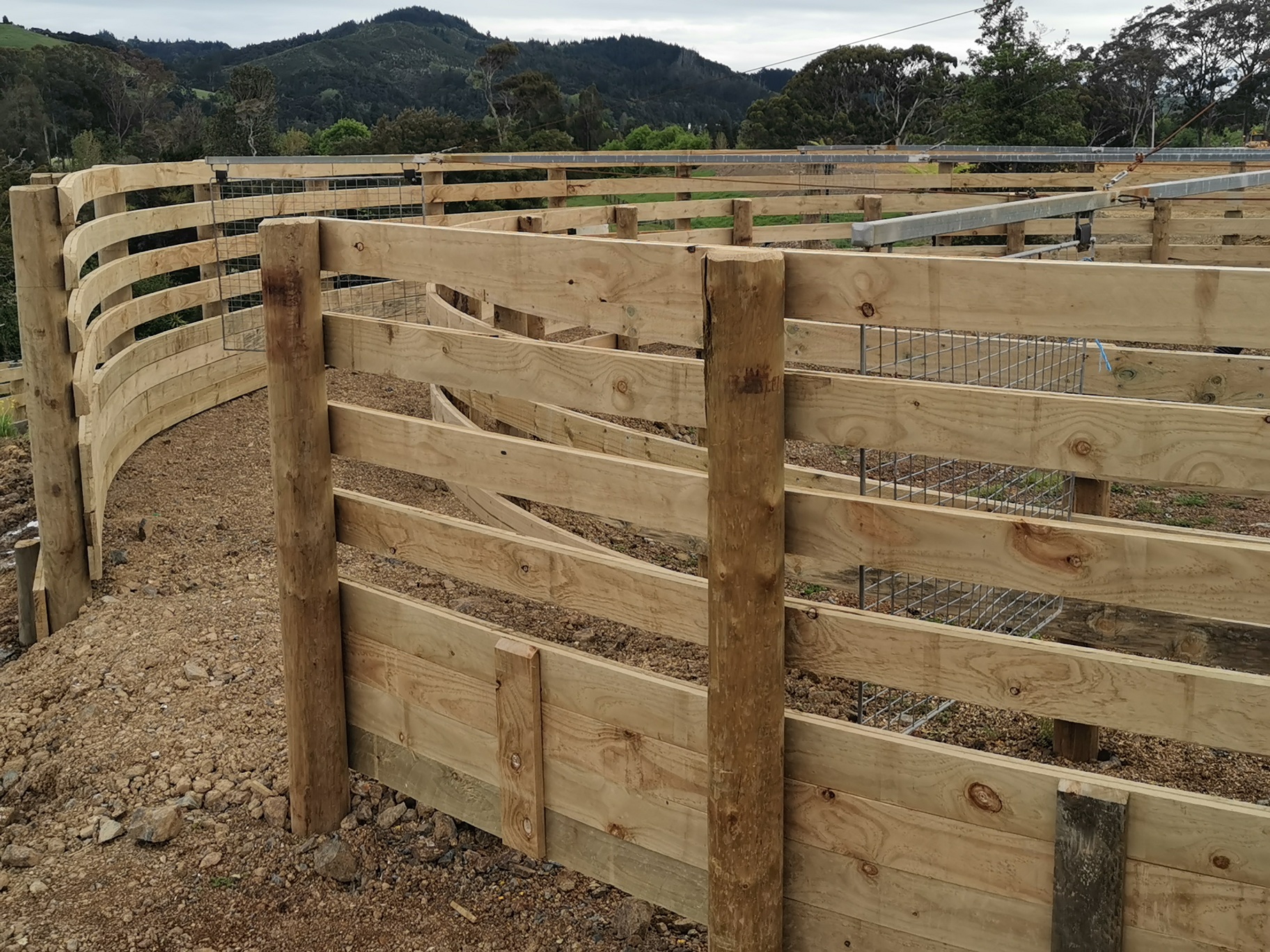
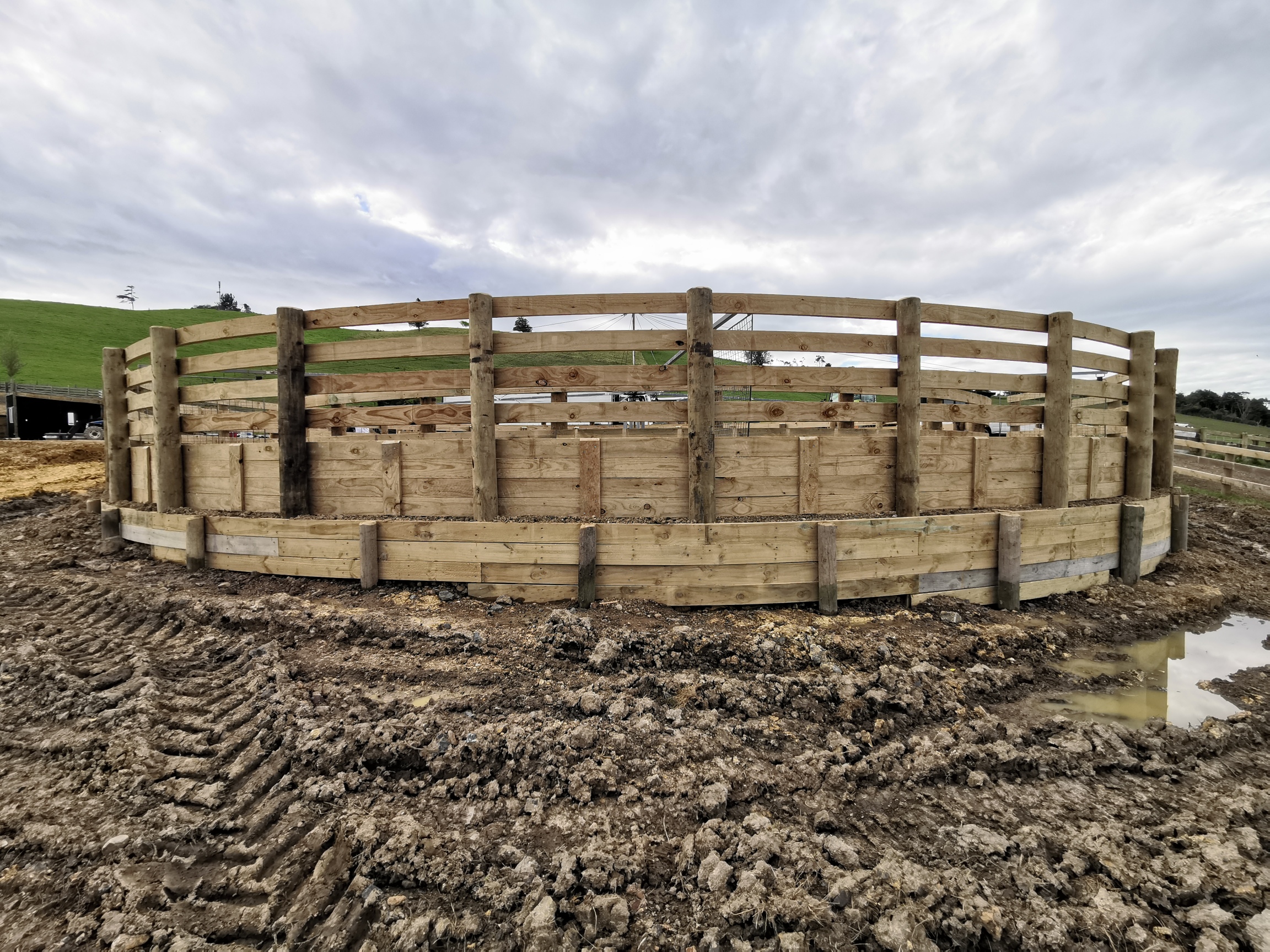
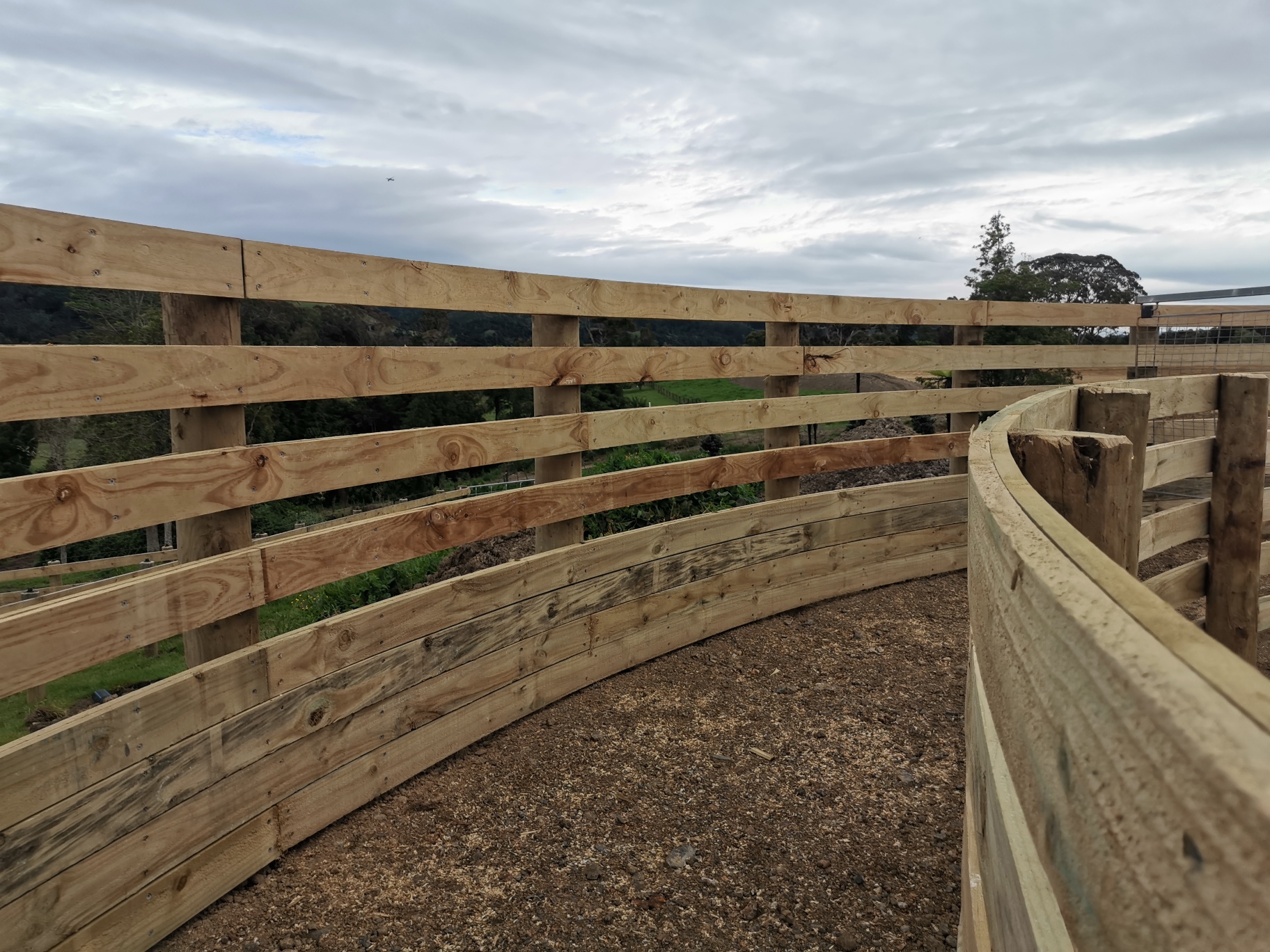
A further two hours north, we met up with Jason Day, who had been on the judging team at Galax. Jason and his mate Steve showed us around his uncle’s cattle farm and poultry raising sheds, before we wrangled in some freshly weaned cattle from his parents’ lawn. We enjoyed seeing Jason’s workmanship on some of his recent jobs, including a nice set of cattle yards with a section of curved rails. His lovely wife, Mary, then joined us for a tour of the Shenandoah Caverns, which was pretty spectacular.

The next day saw us cover a lot of miles as we headed back down country, and by now the boys were getting pretty used to driving on the wrong side of the car and the road. Jake had recommended that we stop at Buc-ees, a huge travel station off Interstate 81. With 120 fuel pumps, 600 parking spaces, 200 employees, expansive immaculate bathrooms, a vast gift shop, as well as Texan BBQ dining options- it was quite the American experience!

Enjoying some downtime

Our next visit was to the Kencove post mill in Eastman, Georgia. Here we were given a tour of the mill by Austin and Jeff.
A small team of skilled guys operate the two year old mill, visually sorting and grading each of the Southern Yellow
Pine logs that Jeff personally marks for selection out in the local farmer-owned forests. A nearby Kencove distribution centre is due to be opened soon, and judging by Austin’s skills, the location, and some of the products we saw out the back, it is going to be a great asset to the business and the wider area.

Dylan Herndon (Herndon Fencing and Farm Services) kindly spent a day showing us around his patch near Gray, Georgia. Dylan runs a very tidy yard, and this flows through to his work on the fence line too. A good chunk of his work also now includes mulching trees. He has a Caterpillar skid steer with a mulcher attachment that makes pretty short work of anything that he turns it to. After showing us around some of his fencing jobs, we met his wife, Riley, and their son, Jackson, out for dinner.

After a 3.5 hour drive the next morning, we called in on Deuce Brown. Deuce showed us his work, including a recently completed large farm conversion. Here he had installed a number of very tidy subdivision and boundary fences, water lines and troughs, all to local government specifications. We then rocked up to his folks’ farm, where we met all the family and were treated to a delicious sit-down home cooked BBQ meal, and happily discussed his upcoming wedding!

While Jeff and Jeana took in some sightseeing in Charleston, South Carolina, Tim and I grabbed the Dodge and shot back up the road 4.5 hours to Mt Ulla, North Carolina, to visit Ryan Sloop (Sloop Fence). We happily tagged along as he delivered gear to an enormous natural gas power plant for a security fence job. We learnt about his unique style of fencing business as he drove us by some of the NASCAR drivers’ properties that he works on. An ex-dairy farmer himself, Ryan took us to an indoor dairy farm run by his friend Elliot, where they year-round milk up to 1,000 cows. We also toured through the packhouse of a neighbouring fruit and vegetable farm, where 4th generation farmer Victoria informed us that this season they grew 234 acres of tomatoes, 116 acres of capsicums, 69 acres of cucumbers, and 78 acres of strawberries – all outdoors!

After saying goodbye to Ryan, Nora, and their kids, we hightailed it back to Charleston to pick up Jeff and Jeana, then nipped two hours across to Savannah, for the four of us to spend our last day (which may or may not have included some shopping) before flying home.

A tremendous shout out to everyone we met, chatted to and shared a meal, an iced tea or a root beer with. You have all stamped your own special mark on our USA trip.

Having experienced the NZFC exchange programme, we can attest to its value to the New Zealand fencing scene as a whole on the world stage, and we hope that more competitors get the opportunity to experience it.

Written by Vanessa Stafford

Published in WIRED issue 79/December 2025 by Fencing Contractors Association NZ

You may also like: One for the old fellas

Read WIRED online
Follow us on Facebook

© Fencing Contractors Association NZ (FCANZ)