We’re Cooper & Spade Fencing, based in the sunny Bay of Plenty – a small but mighty crew. Ben took over from the old man, who left behind a legacy after fencing for more than 35 years.
Around 70% of our work these days is on lifestyle blocks. It’s a good chunk of what we do and a great balance between residential and horticultural jobs. It’s that part of the fencing world where practicality meets presentation, where a good finish matters just as much as good function. Every job is different, every site has a view worth stopping to appreciate. Plus, you meet some bloody good customers along the way.
The types of fencing we do
When it comes to lifestyle properties, there’s no “one size fits all.” We build just about every type of fence you can think of: post and wire, post and batten, post and rail, deer fencing, netting, equestrian fencing, stock yards, and more. Some clients are running a few stock, others just want to frame their property, replace rundown fences, or change boundary lines.
What’s consistent is that lifestyle fencing combines the best bits of rural and residential work – it needs to perform like a farm fence but look good enough to blend into someone’s backyard.
That balance between function and finish is what makes lifestyle fencing so interesting. You use the same core skills of rural fencing, but then add a layer of craftsmanship. You’re not just keeping animals in or out, you’re shaping how a property looks and flows.
The challenges of lifestyle fencing
Every type of fencing has its own challenges, but lifestyle fencing brings a unique mix. Often, you’re working on smaller sites with varied terrain and plenty of obstacles to work around. It’s nice when you get a line that’s out in the middle of a paddock, free from services, water pipes, fibre cable and all that other jumbo that gets in the way.
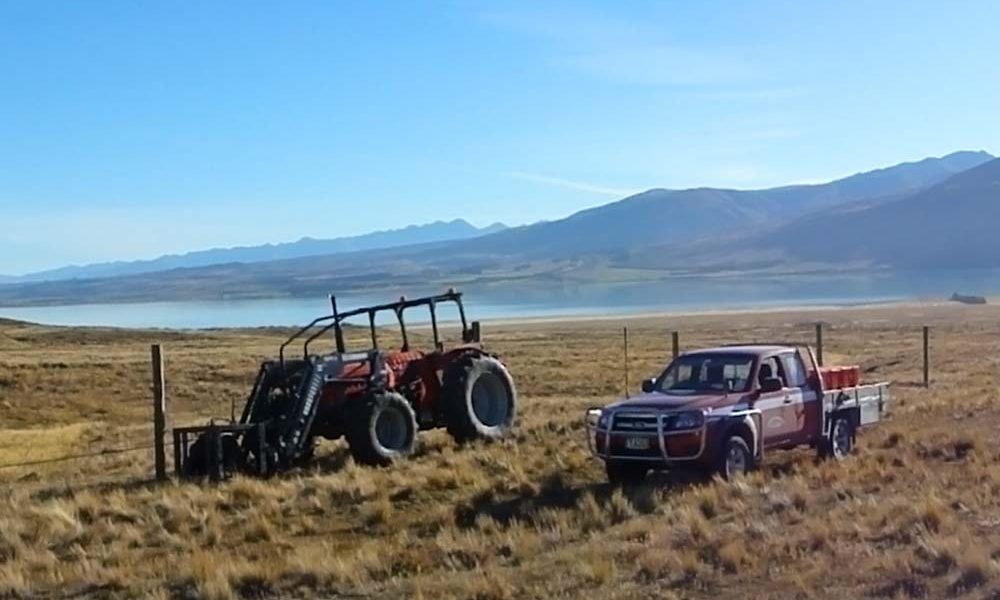
One of the biggest challenges is access. Weather certainly can throw curveballs too, many a time towing Utes out of bog holes and slippery paddocks. It’s not uncommon to be slogging strainers uphill on your shoulders, digging holes by hand, dragging wires out and packing gear around like donkeys, but honestly, that’s part of the appeal, makes the beer taste just that little bit crisper when you get the boots off.
Clients are often hands-on too. They usually have a vision for their fence, but not always a clear idea of what’s practical or how it all comes together. Part of the challenge is helping them find that balance between looks, cost, and longevity.
Why we love it
There’s something incredibly satisfying about lifestyle fencing. Compared to large-scale farm contracts, lifestyle jobs are quicker, more varied, and often more creative. You get through projects pretty fast, which means you’re not stuck in one spot for months. There’s a nice rhythm to it: start fresh, put your stamp on the job, stand back and admire it, then move on to the next.
And the views? They’re unreal. One day you’re looking out over rolling farmland, the next you’re fencing beside the sea or staring straight at Mount Maunganui. Lifestyle fencing gives you front-row seats to some of the best scenery New Zealand has to offer, all while doing work you can be proud of. We also love meeting the customers. You always get a few good yarns, and some of those chats turn into long-term relationships. You know you’re doing something right when a client calls you back year after year, and on lifestyle blocks, there’s always another project waiting.
Another reason we enjoy it is that it lets us show off our workmanship. These jobs are personal – for the client and for us. We love adding those finishing touches: clean lines and tidy joins. Using a skilly or a router instead of a chainsaw might take a bit longer, but it gives the fence that clean finish that really stands out. It’s rewarding to know that what you’ve built will be seen and appreciated every day by the people who live there.
Our favourite project
There have been a few jobs that stand out, but I’d have to say a small subdivision development in Tauranga. The client spotted us at another job putting up some post and rail and was convinced we were the crew for the job. He had an idea of where he wanted the lines to go, but gave us a free rein and pretty much said, “Put them where you think looks best,” – curvy lines following driveways, big strainers on ends of runs with rails notched in and all edges arrised. Everything went like clockwork; they were stoked with the outcome and were a breeze to communicate with. We have continued to get a lot more similar work because of that one job.
The result was something we’re genuinely proud of – straight lines, solid timber, perfectly aligned rails. It’s the kind of job that reminds you why you got into fencing in the first place. There’s nothing like looking back down a finished stretch and knowing every detail is spot-on.
And like most good jobs, once people see the work, they want more. We often find ourselves back on site doing extra bits – gates, retaining walls, more fences – and occasionally the oddball requests that make you wonder if you’re still a fencer or have become a full-blown handyman.
Things to consider when choosing your fence
If you’re thinking about fencing your lifestyle block, the best advice we can give is to think about your needs and your wants. Any fence can be a lifestyle fence if it suits your purpose. Start by asking yourself: what do you need the fence to do? Is it to contain animals, mark a boundary, or add aesthetic appeal? Once you’ve got that sorted, you can look at styles and materials that achieve it without compromising the look you want. Don’t automatically go for the cheapest option – in fencing, you really do get what you pay for. A well-built fence is an investment that should last for years with minimal upkeep.
Maintenance (or lack thereof)
The good news is if the job’s done properly, it shouldn’t need much maintenance at all. The key is to use quality materials, don’t skimp. Get the big boys in, pay a bit extra for something that’ll last longer. Solid construction and correct installation make all the difference.
For electric fences, the main thing owners need to stay on top of is vegetation – keeping grass and weeds off the hot wires to maintain a good current. Beyond that, a quality fence should stand the test of time. Permanent strainers also mean you can tighten things up if tension is ever required.
Tips & tricks from the field
After years on lifestyle jobs, we’ve picked up a few tricks that make a big difference: use the right materials. Cutting costs with cheaper timber might seem smart at first, but it never pays off. Quality lasts – and it looks better too. Use bugles or bolts – don’t nail.
Take the time to finish things properly. Small details take your work from “good enough” to “great.”
Work smarter, not harder. We live in the age of battery-powered everything – make the most of it. Break your tools, not your body. Invest in gear that saves time and pain.
A word to fellow contractors
Lifestyle fencing is a space where your reputation is built on the quality of your finish. These clients notice the details, and they’ll remember your professionalism long after the posts are set. Our advice to anyone working in this space is simple: don’t take shortcuts. It’s not worth it. Be proud of your work, no matter how big or small the job. Every fence you build represents your standard – your signature. If you can look back at a finished line and feel a sense of pride, you’re doing it right.
And here’s some bonus advice from us:
- Stay on top of your admin.
- Life’s a lot less stressful when you get the paperwork done on time.
- Appreciate your crew.
- A bit of praise and the occasional beer go a long way.
In the end…
Lifestyle fencing might not be the biggest part of the industry, but it’s one of the most rewarding. It challenges your skills, keeps things fresh, and connects you with clients who genuinely value what you do. You get to build something that’s both functional and beautiful – something that frames a property, keeps animals contained, and adds to the landscape.
At the end of the day, that’s what it’s all about. It’s not just wire and timber – it’s craftsmanship, care, and pride. For us at Cooper & Spade Fencing, that’s what good fencing is all about.
Written by Ben Cooper


Published in WIRED issue 79/December 2025 by Fencing Contractors Association NZ
You may also like: Youth no barrier to business
Read WIRED online
Follow us on Facebook
© Fencing Contractors Association NZ (FCANZ)