Who can remember what they were up to in business 18 years ago? Well, that was about the time when I penned an article in this magazine about the rise of the hop fields going in around the Tasman region.
So how about an update direct from the horse’s mouth? I got in touch with Brent McGlashen from Mac Hops to see how the hops market has fared.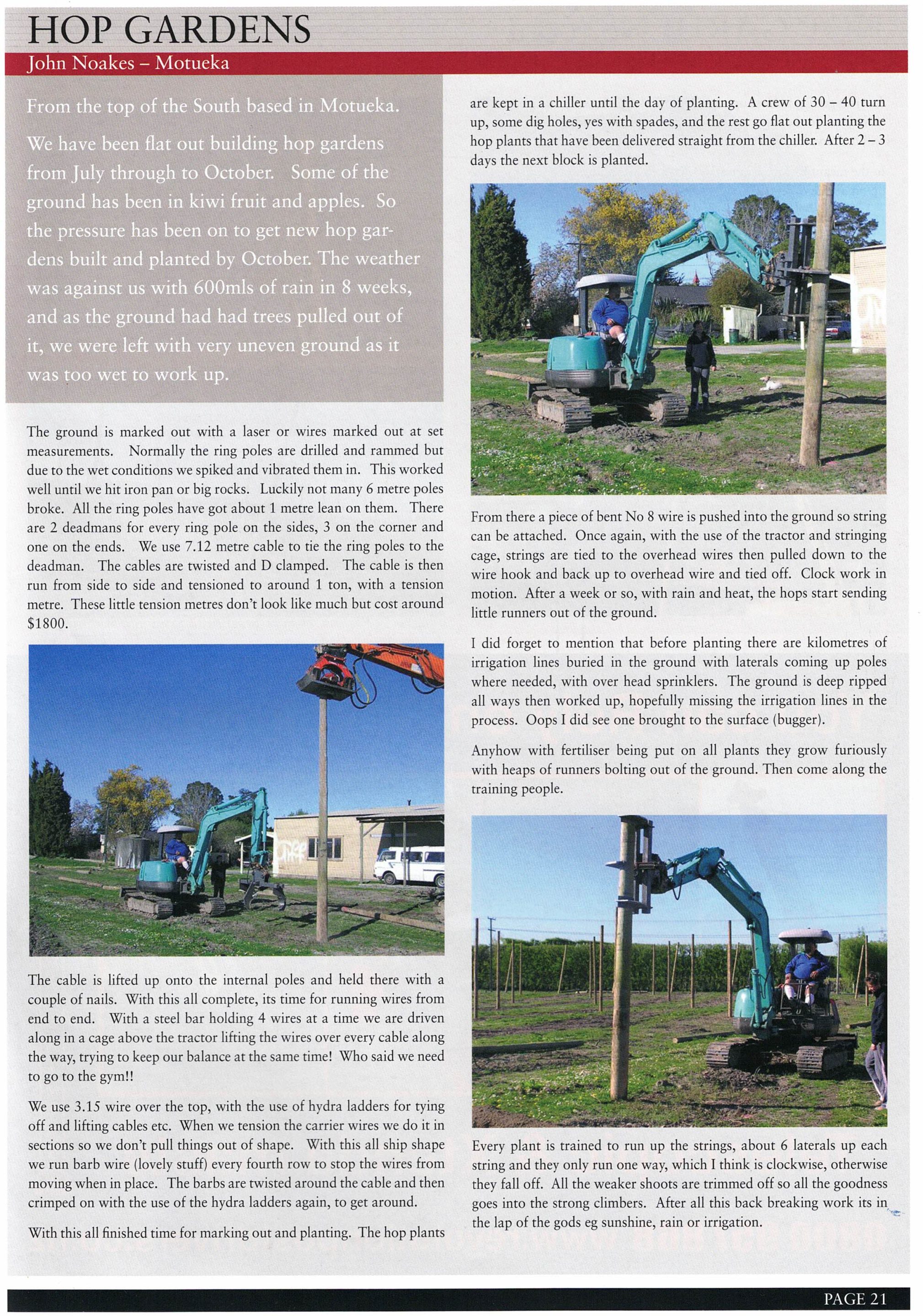
In nearly two decades, there has been a near-quadrupling in area of hop fields established in the Tasman region, producing over 95% of New Zealand’s hops. The influx of the Craft beer boom sure took hold and didn’t go away.
The early adopters of those acreage increases were often family farms (whose numbers at the time were down to 17 families left in NZ), who battled through the tougher years and then could see potential for a little longer-term growth. This growth was then recognised by the corporate investment sector, who piled a significant amount of money into several larger farms. This happened not only in New Zealand but also worldwide, where non-traditional growing regions felt they could also succeed, trying to create their own story.
No one has been immune to the significant rise in cost of production, and the Hop industry has definitely experienced that. Hop poles (an internal structure pole is 5.4m x 125mm) went from $45 to $90+; wire and cable prices rose to the point of even becoming scarce in some parts of the full development cycle; even hop pegs doubled in price. This, coupled with an increasing supply of hops and a post-Covid era of lowering beer demand, as well as young people changing their socialising habits, has culminated in a large hop surplus build-up worldwide. A recent international review suggested that even if 10,000ha were removed worldwide, it would still take a few years to balance out the current demand.
So, where to from here? Well, in the 2025 crop year, growers I talked to had not strung/grown at least 30% of their crop, just to lower their input costs, and were doing their best to hang on through the (now very low part of the) hop market cycle.
Talking with Mac Hops in Motueka – who I joined for the celebration of their farms’ 125th year of growing hops last year – they mentioned that it has been a tough part of the cycle.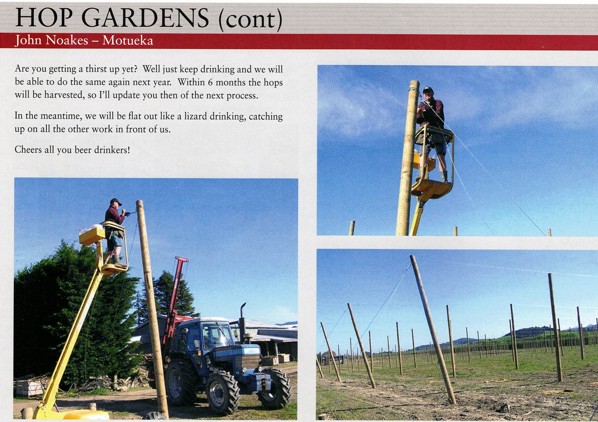
“Our family has seen this kind of market a number of times through our five generations of growing. It is never an easy part of the cycle, but you just have to hunker down, reduce spending as much as you can, but also don’t compromise on crop quality. Yield and efficiencies become even more important, so you aren’t having to grow more area at a cost to then produce less amount of hops. Also, the land that you are resting, pull out older or less saleable varieties and regenerate it with cover crops so when they are ready to replant, they are in good condition, ready to maximise their full potential.”
I think that has happened to many businesses in the last couple of years. Those who have overspent and not had the work ahead of them to pay off the rise in all things business-cost-related haven’t survived. Maybe your old tractor can hang on for another year or two. Maybe that extra employee isn’t actually earning us any more money. Maybe that job our ‘friend’ wanted us to do has cost us income somewhere else… I’m sure you can relate to some of these thoughts going through your own head.
 So, with the 2026 harvest starting at the end of February for the hop growers, you can guarantee they will be focused on efficiencies in their operations. Quality has been exceptional in the last couple of years, and that must be maintained to hold a very high bar in the world of hops (New Zealand only produces 1.5% of world production).
The new varieties must continue to punch above their weight against the more established ones and gain traction in an overcrowded market. I look on in the hope that a number of my friends in this niche little industry can continue to grit their teeth and find their own little wins to pull them through. I think we should all raise a beer to that.
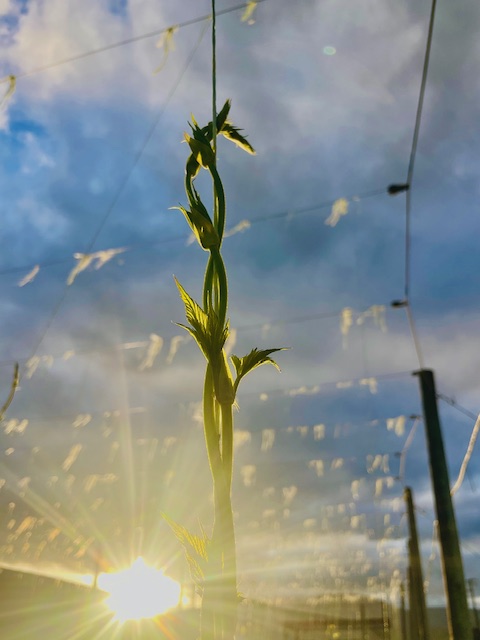
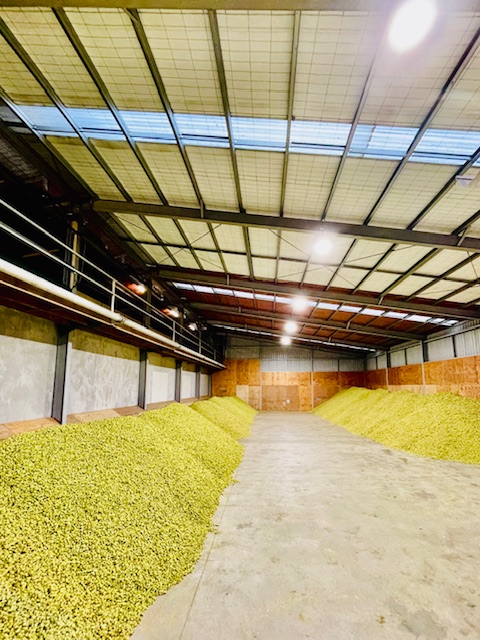
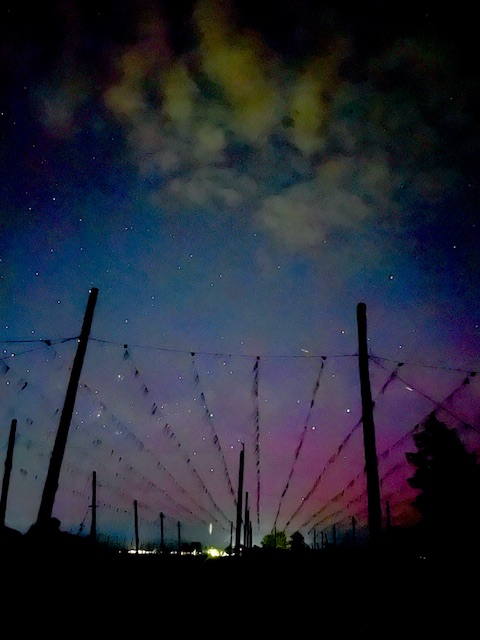
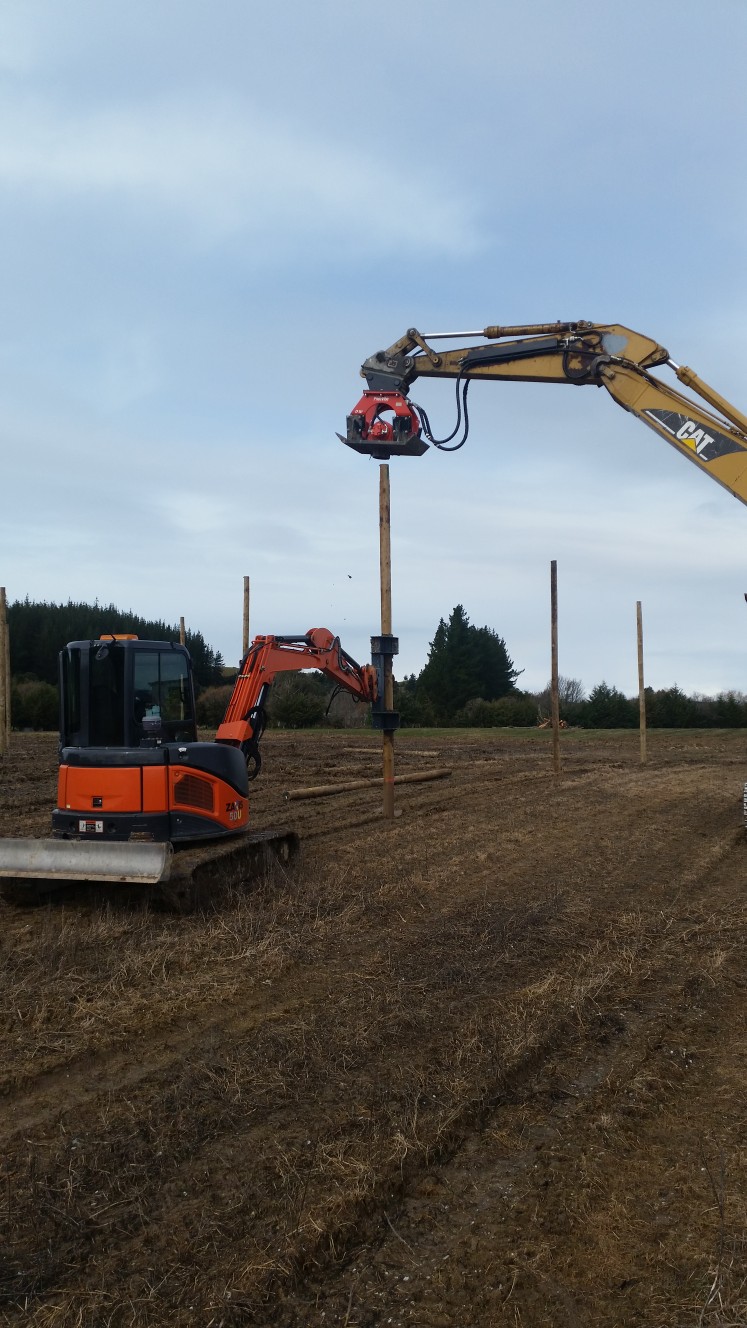
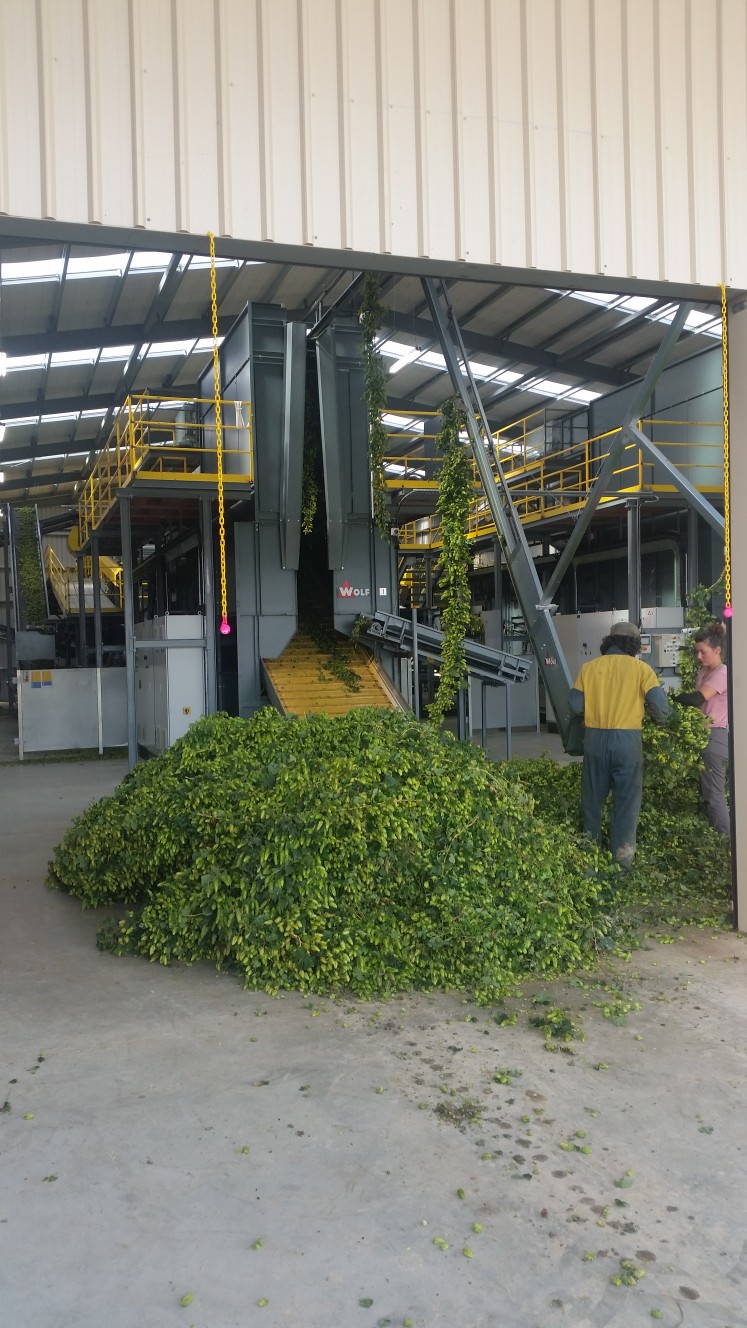
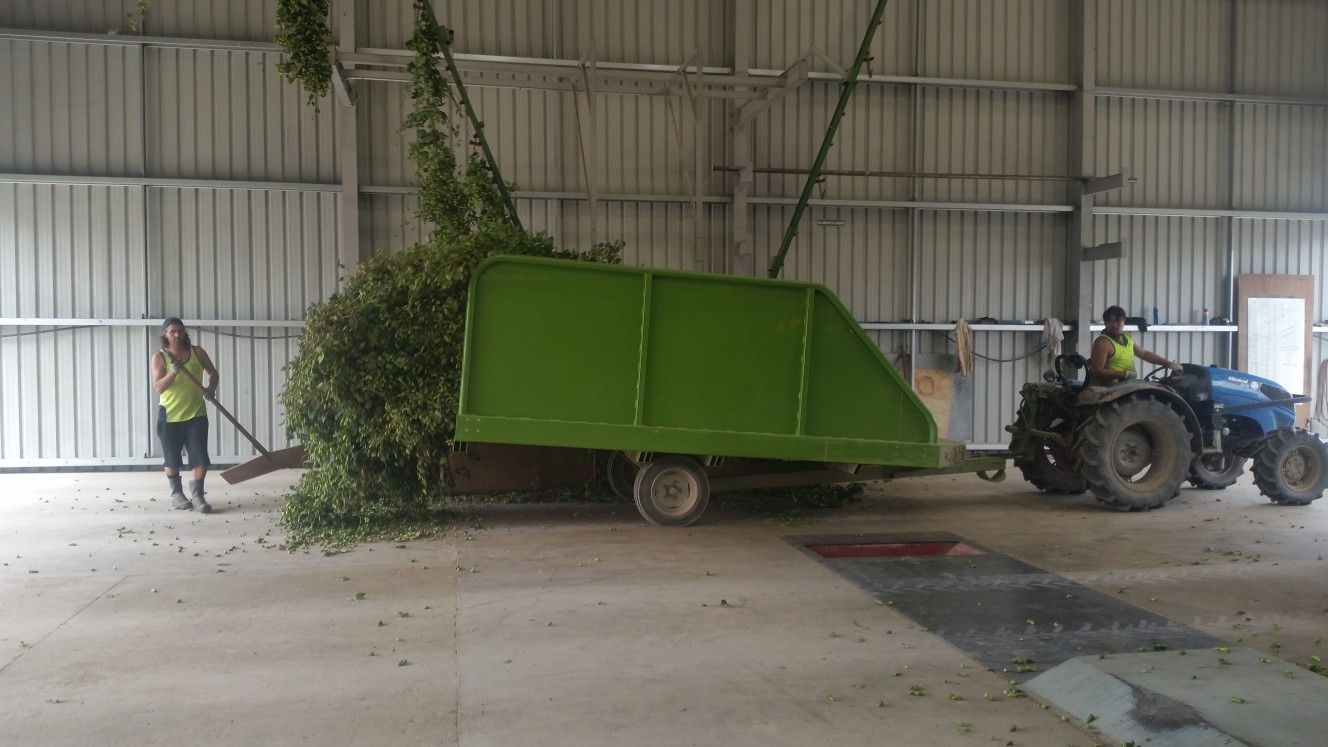
Article supplied by John Noakes. A big thanks to Brent McGlashen of Mac Hops for contributing.
Published in WIRED issue 80/March 2026 by Fencing Contractors Association NZ
You may also like Cloudy Bay vineyard development
Read WIRED online
Follow us on Facebook
© Fencing Contractors Association NZ (FCANZ)